Common Pond Pump Problems and Solutions Every Owner Should Know
February 25, 2026
You walk out to your pond one morning. The water is still. The filter is silent. Your fish are gasping near the surface. A failing pond pump can turn a thriving pond into a disaster fast. Most pond owners have been there. The good news is that most Pond Pump problems are fixable. You just need to know what to look for and what to do next. At Aquabead, we design this article to walk you through 10 of the most common pump problems and their solutions.
1. The Pond Pump Is Not Turning On
- Root Cause: This is one of the most common issues with pond pumps. The pump may not turn on due to a tripped GFCI outlet, a blown fuse, or a damaged power cord. Sometimes the issue is as simple as a loose plug.
- How to Fix: Check your outlet first. Press the reset button on your GFCI outlet. Plug in another device to test the outlet. If the outlet works, inspect the power cord for cuts or damage. Replace any damaged cord. If the pump still does not start, the motor may have burned out, and you will need a replacement pump.
2. Pump Is Running but Has Low Flow
- Root Cause: Weak water flow from your pump is often caused by a clogged impeller or a dirty pond pre-filter. Debris like leaves, algae, and sludge can restrict water movement. A partially blocked intake is another common cause.
- How to Fix: Turn off the pump and remove it from the water. Open the pump housing and remove the impeller. Clean it thoroughly with a soft brush. Rinse the pre-filter sponge or basket. Check all hoses for kinks or blockages. Reassemble and test. At Aquabead, we always recommend cleaning your pond pump and filter at least once a month during active seasons.
3. The Pump Keeps Stopping and Starting
- Root Cause: A pump that stops and starts on its own is often overheating. This can happen when the pump sits in shallow water or runs dry. Thermal protection inside the pump shuts it down to prevent motor damage.
- How to Fix: Make sure your pump is fully submerged at all times. The water level in your pond should always cover the pump completely. Move the pump to a deeper area if needed. Clean the impeller and housing to improve water flow and reduce heat buildup. Let the pump cool down before restarting it.
4. Pond Pump Making Loud or Unusual Noises
- Root Cause: A noisy pond pump usually means something is stuck in the impeller. Small stones, plant debris or snail shells can get pulled inside the pump. A worn bearing or loose housing can also cause rattling sounds.
- How to Fix: Switch off the pump and pull it out of the water. Inspect the impeller for foreign objects and remove them carefully. Check if the pump housing is tightly sealed. If the noise continues after cleaning, the impeller or bearing may be worn out and needs replacing. Many pump parts are available as replacement kits.
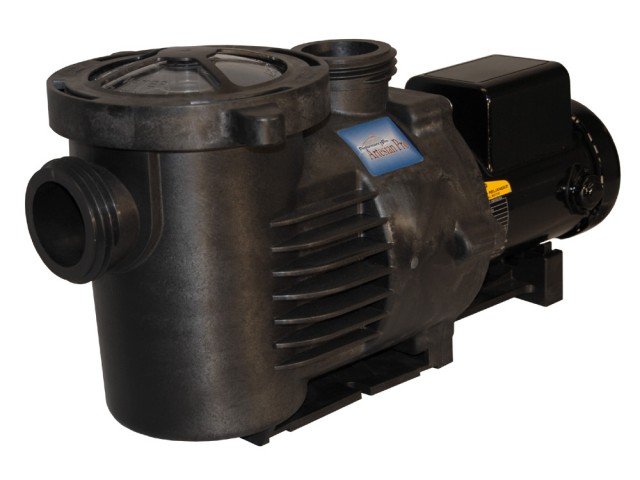
5. The Pond Pump Is Leaking Air
- Root Cause: Air leaks in your pump setup reduce water pressure and flow. This usually happens when hose connections are loose or the hose clamps are not tight. Cracked hoses are also a major cause.
- How to Fix: Inspect all hose connections and clamps. Tighten any loose fittings. Look for cracks along the length of the hose. Replace any cracked or brittle sections. Use quality hose clamps that do not rust. Make sure all connections are sealed properly before restarting your pond pump and filter setup.
6. Pond Filter Pump Not Cleaning the Water
- Root Cause: If your pond filtration pump is running but the water stays green or murky, the filter media may be full. Overloaded filter sponges and biological media cannot process waste properly. An undersized pump for your pond volume is also a common cause.
- How to Fix: Clean or replace your filter media. Rinse the biological media gently in pond water to preserve good bacteria. Avoid rinsing it in tap water. Make sure your pond filter and pump setup can handle the full water volume of your pond. As a general rule, your pond pumps and filters should cycle the entire pond volume at least once every hour.
7. Pump Impeller Is Stuck or Broken
- Root Cause: The impeller is the spinning part inside your pond pump that moves water. It can get stuck from debris buildup or can crack from regular wear. A stuck impeller means no water movement at all even when the pump is on.
- How to Fix: Unplug the pump first. Open the pump casing and check the impeller. Try to spin it by hand. If it does not move, remove the blockage carefully. If the impeller is cracked or broken, order a replacement. Most pump manufacturers sell spare impellers separately. Aquabead equipment is built to high standards, but regular inspection still helps extend pump life.
8. Pond Pump Running Dry
- Root Cause: Running dry is one of the fastest ways to destroy a pump. This happens when water levels drop too low, especially during hot summer days or after water evaporation. Even a few minutes of dry running can damage the seal and motor.
- How to Fix: Monitor your pond water level closely in warm weather. Top up your pond regularly with dechlorinated water. You can also use an automatic water level controller to prevent this. If your pump has already run dry for a while, check the seal and impeller for damage before running it again.
9. The Pond Filter and Pump Smell Bad
- Root Cause: A foul smell from your pond pump for filter setup often points to a buildup of rotting organic matter. Dead algae, fish waste, and decaying leaves release hydrogen sulfide gas, which smells like rotten eggs. Poor water circulation makes this worse.
- How to Fix: Clean out all the filter media and the pump housing. Remove any dead plant matter from the pond. Increase circulation by repositioning your pump to the deepest part of the pond. Consider adding a pond aerator alongside your pond filters and pumps to increase oxygen levels. Better oxygenation reduces bad odors fast.
10. Pump Burns Out Too Quickly
- Root Cause: A pond pump burning out early often means it is the wrong size for your pond. An undersized pump works too hard and fails faster. Running a pump with a clogged filter also puts extra strain on the motor.
- How to Fix: Match your pump to your pond size carefully. For every 1,000 gallons of pond water, you need a pump that can handle at least 1,000 gallons per hour. Keep your pond pump and filter clean at all times. At Aquabead, we find that proper sizing and regular maintenance are the two biggest factors that extend pump life. Always choose pumps for ponds that are rated slightly above your minimum needs.
Tips to Keep Your Pond Pump Healthy Year-Round
Prevention is always better than repair. Here are a few things you can do to keep your pump running smoothly:
- Clean your pond pump and filter every two to four weeks.
- Keep the water level in your pond above the minimum required depth for your pump.
- Inspect hoses and fittings monthly for cracks or loose connections.
- Remove heavy debris from your pond regularly.
- In winter, either keep the pump running or remove and store it properly.
Final Thoughts
A working pond pump is the heart of any healthy pond. When your pump stops or slows down, the whole ecosystem suffers. We hope this article helps you spot problems early and fix them quickly. Remember that many issues with pond pumps come down to simple maintenance and correct sizing. Whether you use a pond filtration pump, a pond filter and pump combo, or standalone pumps for ponds, the care routine is always the same: keep it clean, keep it submerged, and size it right. If you need help choosing the right equipment or troubleshooting a tough issue, contact Aquabead. Our team is here to help you keep your pond healthy and beautiful all year long.
Frequently Asked Questions
1. How often should I clean my pond pump?
You should clean your pump at least once a month to keep it running well.
2. Can a pond pump run 24 hours a day?
Yes, most pond pumps and filters are designed to run continuously without stopping.
3. Why is my pond pump not moving water?
Your pump may have a clogged impeller or a blocked intake that needs cleaning.
4. What size pond pump do I need?
Your pond pumps and filters should cycle your full pond volume at least once per hour.
5. Can I run a pond filter pump out of water?
No, running a pond pump for filter use out of water will damage the motor and seal.
6. How do I know if my pond pump is failing?
Watch for weak flow, strange noises, or the pump turning on and off on its own.
7. Why does my pond smell bad even with a running pump?
Your pond filters and pumps may be clogged or undersized for your pond volume.