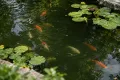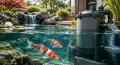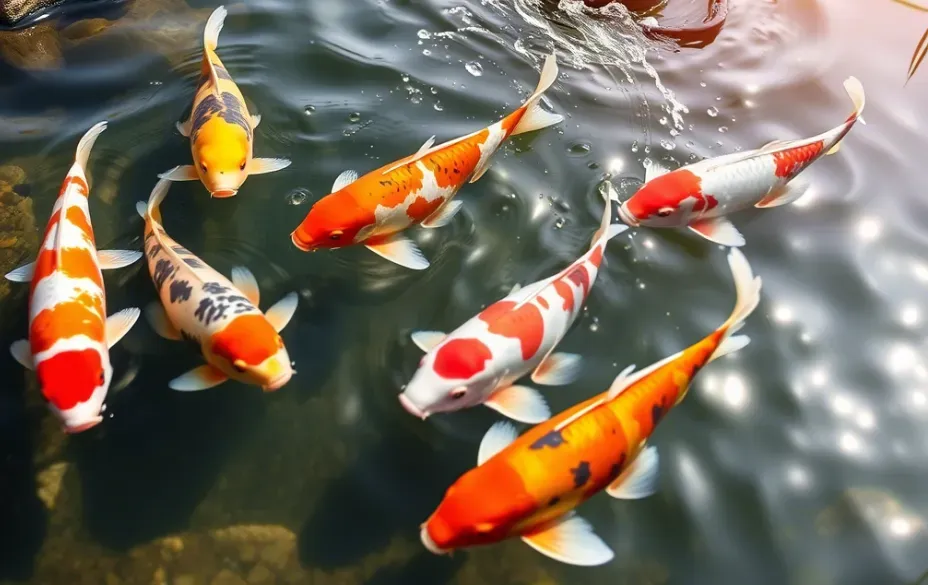
When a pond slowly starts losing its life, it doesn’t happen suddenly. One day, you just notice the water doesn’t look as fresh as it used to. Fish are still there, but they don’t move around with the same energy. Even the plants that once grew easily now look a bit tired. Most people think it's merely a seasonal change; maybe the weather is changing, or the pond needs some time to adapt. Yet, if we pay close attention, there is typically a deeper explanation. Pond filtration systems often fail to maintain environmental equilibrium. When that balance fails, everything else follows. The natural bacteria in the pond weaken, waste accumulates silently, and oxygen levels gradually decline. It accumulates over time and is not something we become aware of in a day or two. At that point, biodiversity begins to unexpectedly decline.
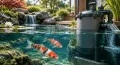
A pond is more than just a body of water; it's a living system in which every tiny component depends on the others. The process is aided by bacteria, plants, fish, and microscopic organisms. Fish require oxygen and stable water conditions. Plants help in managing nutrients. Beneficial bacteria break down toxic waste. In ways that are not usually evident, even the smallest life contributes to maintaining homeostasis. The pond feels vibrant and alive when everything works together. The pond genuinely feels alive and vibrant when everything works in harmony. However, the system as a whole gradually loses equilibrium when one component, particularly filtration, deteriorates. For this reason, if we desire long-term biodiversity in our backyard pond, a robust pond filtration system is not only beneficial but essential.
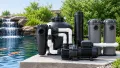
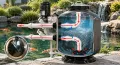
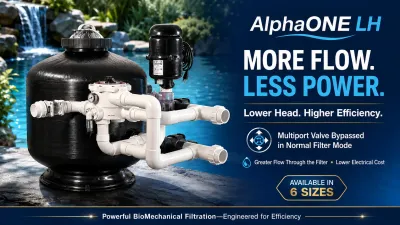
If we break it down simply, filtration is doing three important jobs all the time. First, it clears out physical waste like leaves, dirt, and leftover food before it starts breaking down. Second, it supports good bacteria. These bacteria are not visible, but they are extremely important because they help convert harmful substances into safer ones. And third, it keeps water moving. With the help of pond filtration pumps, oxygen gets distributed evenly instead of staying trapped in one area. At Aquabead, we design our systems with this natural flow in mind because a pond doesn’t need overcomplication; it just needs balance that lasts. When these three things work together, biodiversity doesn’t just survive; it naturally improves.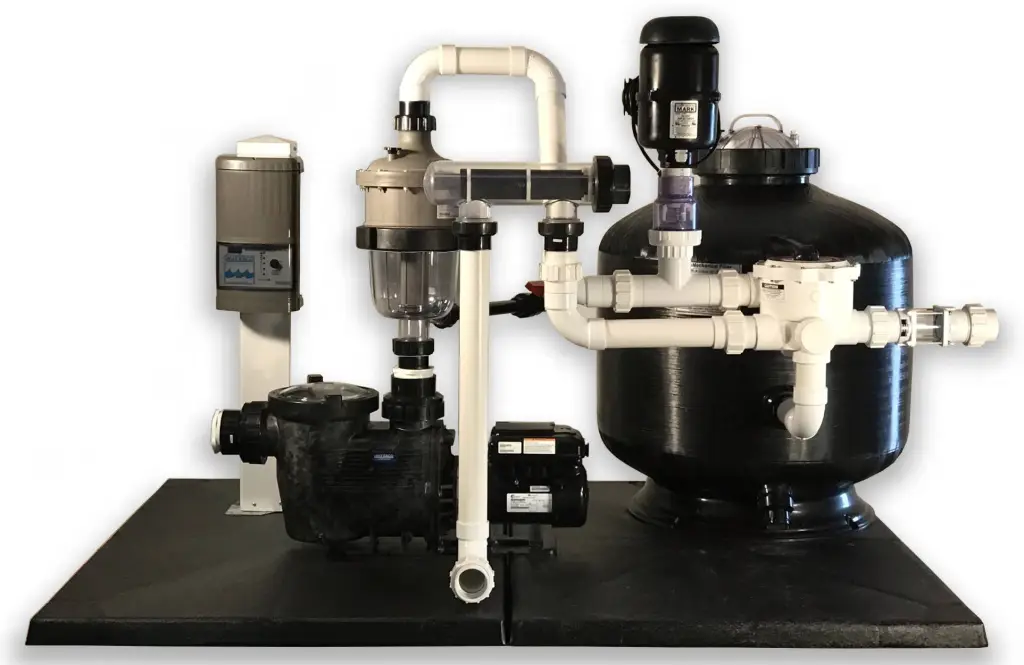
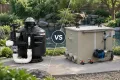
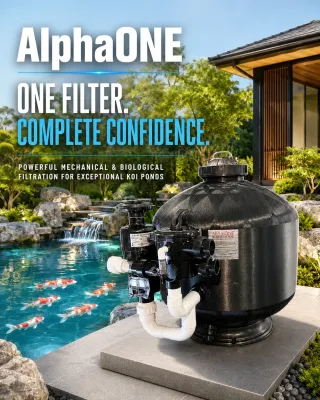
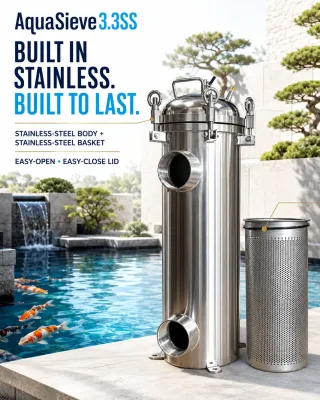
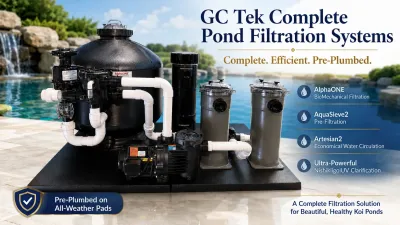
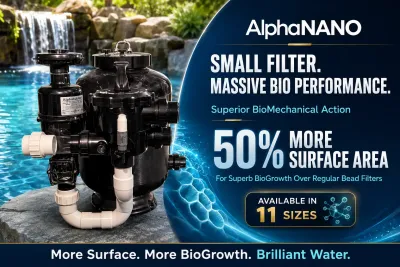
A lot of pond owners feel confused when selecting equipment, but it doesn’t need to be complicated. We usually just look at a few simple things. If the pond is small, a compact pond pump and filter setup is often enough to keep things stable. If the pond is larger or has more fish, then stronger pond pumps are needed to handle the extra load. Fish count also matters more than people think. More fish means more waste, which means the pond filter system needs to work harder. Another thing we always recommend is multi-stage filtration. A good pond filter doesn’t just clean water; it supports bacteria and keeps everything in balance. At Aqua bead, we always suggest choosing systems that are easy to maintain instead of overly complicated ones. Simplicity usually performs better in the long run.
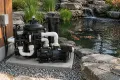
Even a good system won’t perform properly if it’s not set up the right way. We’ve seen ponds struggle just because the placement was not correct. It helps to keep the pond filter where water naturally flows instead of placing it in a stagnant corner. Water movement matters more than most people realize. Pumps should be slightly raised if possible, just to avoid clogging from settled debris. Additionally, consistency is the most crucial factor when it comes to running time. In warmer months, the system should run continuously. Reducing flow is acceptable during the colder months, but stopping entirely usually has more negative effects than positive ones. At Aquabead, we always remind pond owners that steady flow is what keeps the ecosystem stable.
Ponds don’t behave the same way all year. In colder months, everything slows down. Fish eat less, bacteria become less active, and filtration naturally works at a slower pace. In warmer months, the opposite happens. Fish become more active, waste increases, and algae can grow quickly if the system is not strong enough. So the pond filtration system needs to quietly adjust along with these changes.
Pond management is made much easier by aquabead systems, which are made to handle these variations without requiring constant attention.
Filtration is the foundation, but it’s not the only thing that matters. Regular maintenance plays a big role, too. Filters should be cleaned gently, not aggressively. The goal is to remove waste without destroying beneficial bacteria. Feeding fish too much is another common issue. Extra food doesn’t help fish — it just turns into waste that affects water quality. Water conditions should also be checked from time to time. Even simple observations like smell, clarity, and fish behavior can tell us a lot. Adding plants is another simple way to support balance. They naturally absorb nutrients and give fish places to hide, which keeps the pond more stable overall.
Some problems don’t show immediate effects, but they build up over time. One of the biggest mistakes is switching off the pond filtration system completely during winter. Even when activity slows, water still needs movement. Another issue is over-cleaning filters. When all beneficial bacteria are removed, the system has to restart from scratch, which disrupts balance. Using undersized pond filtration pumps is also very common. It may seem fine at first, but it struggles when waste increases. And of course, overstocking fish always puts extra pressure on the system. These are small decisions, but together they affect biodiversity more than most people realize.
Keeping a pond healthy is really about consistency.
Nothing too technical, just consistent care.
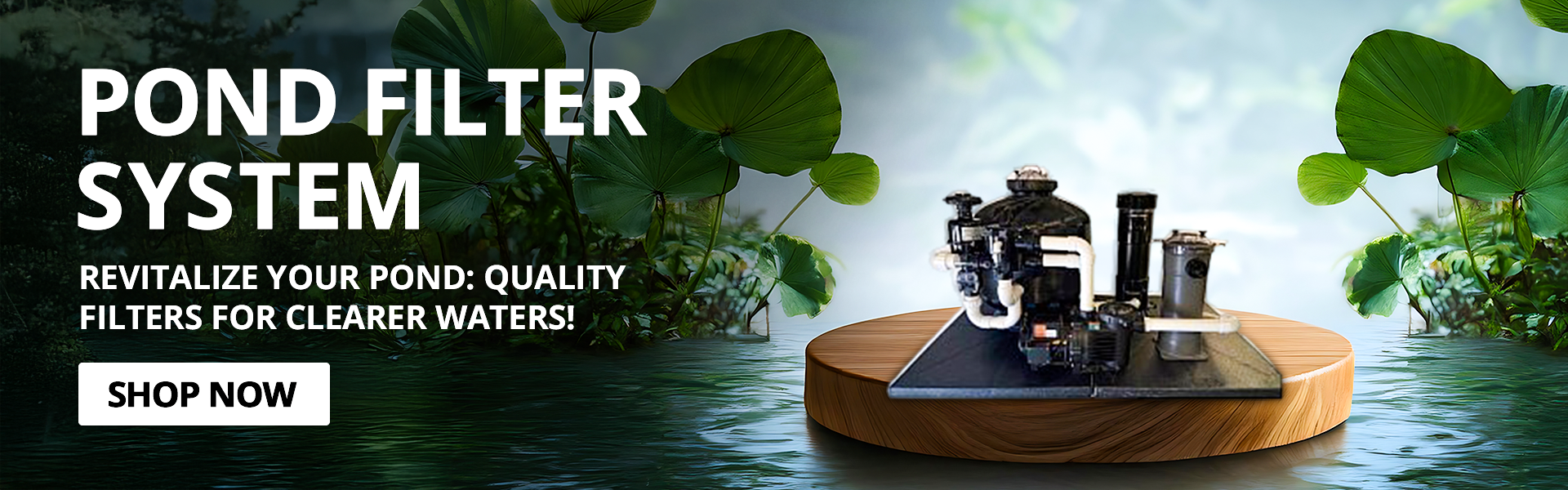
When things work together, a pond needs little attention. It stays balanced on its own. The water appears clearer. Fish behave naturally. Plants grow effortlessly. And the space feels calm and alive again. That’s really what a good pond filtration system does: it supports life quietly in the background without demanding too much from us. At Aqua bead, we focus on creating systems that make pond care feel simple, not stressful. Something that blends into the natural rhythm of your backyard instead of interrupting it. If you’re looking to strengthen your pond or restore its beautiful natural life, Aqua bead has wonderful solutions that help keep everything balanced, reliable, and simple to maintain all year round.