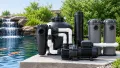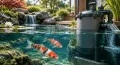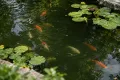
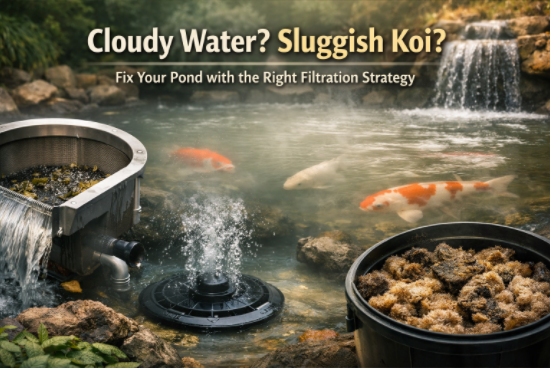
You love your koi pond. You watch your fish every morning. But something still feels off. The water looks cloudy. Your fish seem slow. You clean the Pond Filters, but nothing changes. We see this problem every day at Aquabead. Most pond owners focus on the wrong things. They buy bigger filters. They add more chemicals. But they miss one simple trick that changes everything. It all starts before the water even reaches your biological filter.
We have helped many pond owners fix this exact problem. In this article, we share 10 simple tricks that most people ignore. Use these tips, and your koi will be healthier and happier than ever. By the end of this article, you will have a simple checklist to follow every week.
This is the trick most pond owners miss completely.
Real Problem: Your biological filter needs clean water to work well. But most people send dirty water straight into it. Fish waste and uneaten food clog your bio media fast. This stops oxygen from reaching your good bacteria. When bacteria die, ammonia builds up. Your fish suffer.
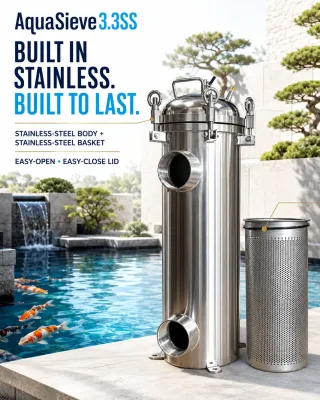
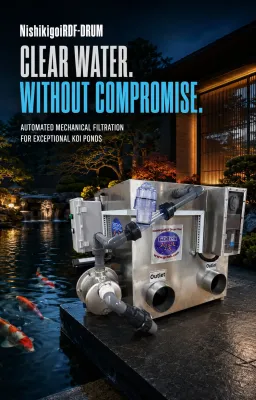
Simple Trick: The fix is simple. Add a mechanical pre-filtration stage first. Use a sieve filter or a settlement chamber. This removes solid waste before it reaches your bio filter. Your pond filter system will last longer and work better.
Rinse your mechanical media every week. Always do this before your biological stage. This one change improves water clarity fast.
Many ponds have filters but no proper bottom drain. This is a big mistake.
Problem: Koi produce heavy waste. That waste sinks to the bottom. It sits there and releases ammonia and harmful gases. Surface Pond Skimmers alone cannot fix this problem.
Quick Fix: Install a gravity-fed bottom drain. Connect it directly to your mechanical pre-filtration. Make sure your pond floor slopes gently toward the drain. This moves waste away from your fish quickly.
A properly placed bottom drain works with your pond pumps to keep water moving. No dead zones. No waste buildup. Just clean, healthy water.
Most pond owners underestimate oxygen. This is a costly mistake.
Problem: Your beneficial bacteria need oxygen to break down the ammonia. Your koi need oxygen to stay active and healthy. Warm water holds less oxygen than cold water. In summer, your pond can become oxygen poor very quickly.
Practical Tricks: Add an air diffuser near your bottom drain. Use aerated bottom drains if you can. Increase surface agitation with a waterfall or fountain. Run your air pumps 24 hours a day, 7 days a week. Never turn them off overnight. This one habit alone can save your koi during hot months.
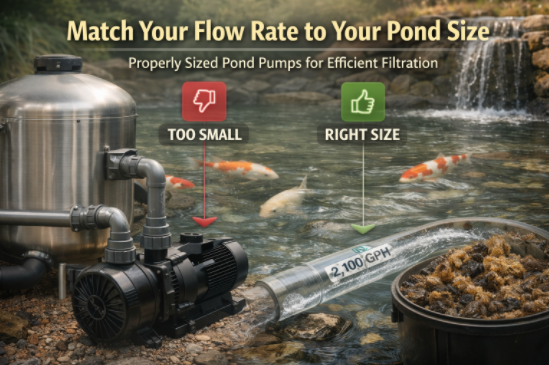
Buying a big filter is not enough. Flow rate matters just as much.
Problem: Your pond water should turn over once every one to two hours. If your pump is too weak then water sits still. Waste collects in dead zones. Ammonia rises.
Real Solutions: Check your actual gallons per hour after head loss. Reduce unnecessary pipe elbows. They slow the water flow more than you realize. Match your pond pumps to your pond volume. A properly sized pump moves the water efficiently through every stage of filtration.
Over-cleaning your filter is a common and harmful mistake.
Problem: Chlorinated tap water kills beneficial bacteria instantly. Cleaning your bio media too often resets your nitrogen cycle. This causes ammonia spikes that stress or kill your koi.
Practical Advice: Only your mechanical stage needs weekly rinsing. Clean your biological media only when the water flow slows down. Always use pond water, never tap water, to rinse bio media. This keeps your good bacteria alive and working.
Overfeeding is a silent killer in koi ponds.
Problem: Uneaten food breaks down into ammonia very quickly. This spikes your water chemistry and stresses your fish. In cooler months, koi digestion slows down significantly.
Real Trick: Feed only what your koi can finish in three to five minutes. Remove any leftover food right away. Switch to wheat germ pellets when water temperatures drop below 55°F. Smart feeding keeps your water cleaner between filter cleanings.
Direct sunlight hurts your pond more than you know.
Problem: Full sun raises water temperature fast. Warm water holds less oxygen. It also speeds up the algae growth. UV exposure stresses your koi and weakens their immune system.
Cheapest Trick: Add floating aquatic plants like water lilies. They cover the surface and cool the water naturally. Install shade sails over part of your pond. When building a new pond, avoid placing it in full-day sun. Shade is one of the simplest and cheapest tricks you can use.
Clear water does not mean healthy water. This mistake surprises many pond owners.
Problem: You must test for ammonia, nitrite, nitrate, pH, and KH regularly. KH, or carbonate hardness, is especially important. Low KH causes dangerous pH crashes overnight. This can kill your koi without warning.
Real Trick: Test weekly in new ponds. Test every two weeks in the established ponds. Keep your KH stable above 100 ppm. This protects your fish even when other levels shift.
Many pond owners skip water changes because the water looks fine. This is a mistake.
Problem: Nitrate builds up slowly over time. It weakens your fish and makes them more likely to get sick. Regular water changes dilute nitrate and replenish minerals your koi need.
Effective Approach: Change 10 to 15 percent of your pond water every week. Always dechlorinate new water before adding it. Match the temperature of the new water to your pond. A sudden cold shock stresses your fish even more than poor water quality.

This is a trick almost no one talks about, but it matters a lot.
Problem: A damaged spider gasket causes leaks in your filter connections. It reduces pressure and flow rate throughout your system. Many pond owners spend months troubleshooting poor performance and never check this small part.
Real Solution: If you are doing Aquadyne spider gasket removal, inspect the gasket closely. Replace it if you see cracks or wear. A good seal keeps your entire system running at full efficiency. Small parts like this have a big impact on your overall pond health.
System layout is where everything comes together.
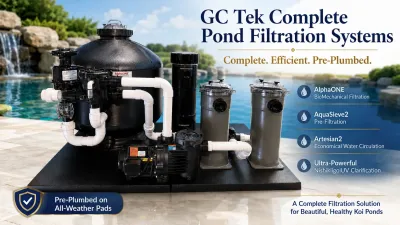
The correct order is: bottom drain, then mechanical filtration, then biological filtration, then pump, then UV clarifier, then return to the pond. Getting this order wrong reduces the efficiency at every stage.
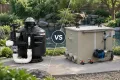
Compact all-in-one systems often struggle in koi ponds. They mix mechanical and biological stages together. This makes cleaning harder and hurts your bacteria. Accessible maintenance points also matter. If cleaning is difficult, you will do it less often.
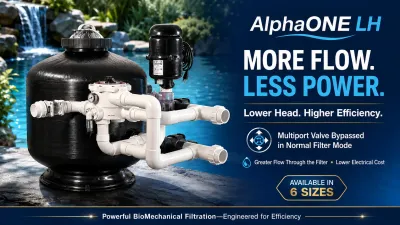
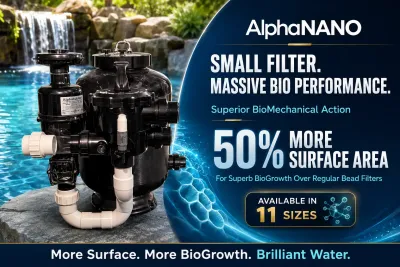
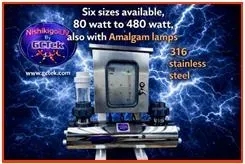
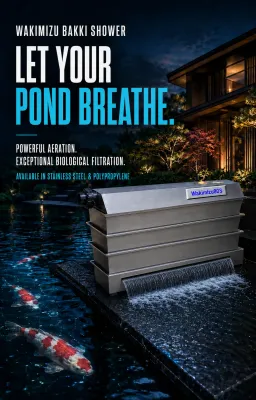
We at Aquabead believe that proper system design is just as important as the equipment itself. A well-designed pond filter system with a quality pond skimmer, reliable pond pumps, and even a pond heater for winter months gives your koi the best possible environment. GC TEK has carefully engineered our equipment to fit different pond sizes. You can choose the model that matches your setup perfectly.
If you are unsure where to start, we are here to help. Our team at Aquabead understands koi pond challenges. We want your pond to thrive. Contact us today and we will help you find the right equipment for your pond size and goals. Browse our categories to see our full range of pond equipment designed by GC TEK.
1. How often should you clean a koi pond filter?
You should rinse mechanical media weekly and clean bio media only when the flow drops.
2. Can you use tap water to rinse your bio filter media?
No, tap water kills beneficial bacteria. Always use your pond water instead.
3. How do you know if your koi pond has enough oxygen?
Your koi will gasp at the surface if oxygen is low. Run air pumps 24/7.
4. How much water should you change in a koi pond weekly?
You should change 10 to 15 percent of your pond water each week.
5. What is the correct filtration order for a koi pond?
Your order should be: bottom drain, mechanical filter, biological filter, pump, UV, then return.
6. Why does your koi pond water stay cloudy after cleaning?
Cloudy water often means your biological filter has not fully cycled yet.
7. When should you contact Aquabead for pond filter help?
You should contact us whenever your water quality stays poor despite regular maintenance.