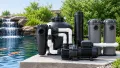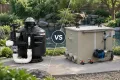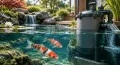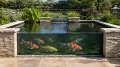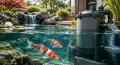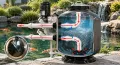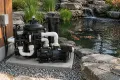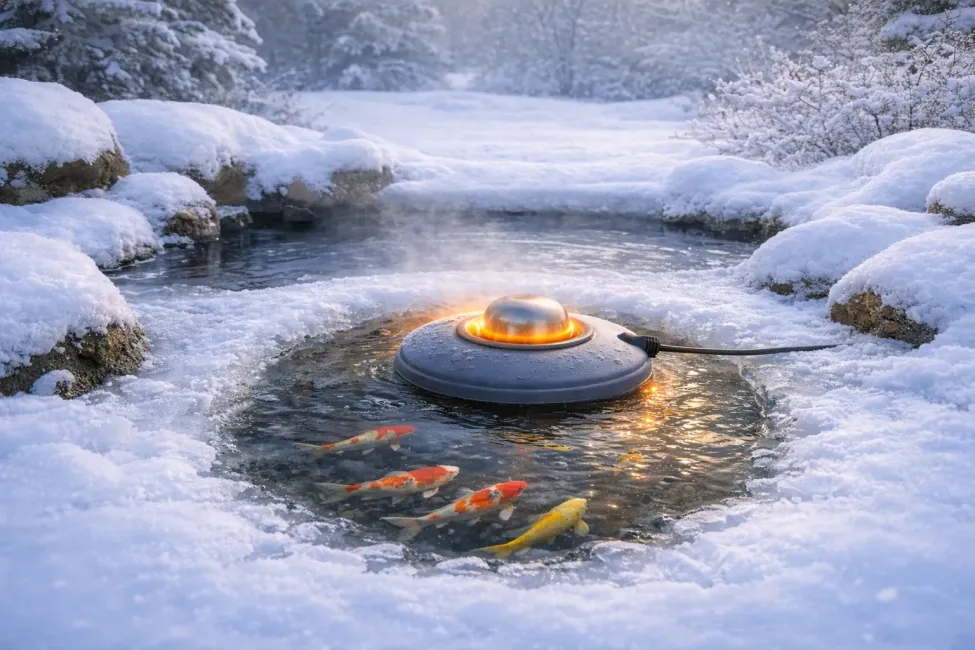
A pond heater is a winter support tool designed to keep part of your pond free from ice during cold weather. It does not turn your pond into a warm swimming pool. Instead, it helps maintain a safe and stable environment, so fish and beneficial life can survive winter conditions.
Winter is risky for ponds because freezing water blocks oxygen exchange, traps toxic gases, and increases stress for fish. Prolonged ice cover can quickly turn a healthy pond into a dangerous environment, especially for koi and goldfish.
At Aquabead, we have observed two types of pond owners over the years. Those who prepare their pond filter for winter using smart heating or circulation methods, and those who rely purely on nature. Both approaches can work, but problems often arise when winter conditions are underestimated. Our view on pond heating systems is simple. They are not about warming water. They are about protecting balance. So, let’s explore why it may be essential for your pond during winter.
A heater is a device that prevents your pond surface from freezing completely during cold weather. It keeps a small area ice-free so oxygen can enter the water and harmful gases can escape. It is important to understand how pond heaters differ from other winter pond tools.
|
Feature |
Pond Heater |
Pond De-icer |
Pond Aerator |
|
Primary purpose |
Maintain ice-free opening |
Melt ice at surface |
Circulate water |
|
Heat Output |
Low and controlled |
Minimal |
None |
|
Oxygen exchange |
Yes |
Yes |
Yes |
|
Water circulation |
No |
No |
Yes |
|
Fish safety focus |
High |
Moderate |
High |
A heater does not heat the entire pond like an aquarium heater. It only warms a small surface area. This controlled approach prevents disturbing the natural temperature layers that fish rely on during winter.
A heater works by gently warming a small section of the pond surface. This achieves three critical things.
This makes it especially useful for a pond heater for koi, where fish rely on stable cold water conditions to overwinter safely.
Heaters are available in different power options.
Water naturally forms temperature layers in winter. Cold water stays near the surface, while deeper water remains slightly warmer. A heater works with this natural process rather than against it.
Heat spreads slowly through water which is why deep areas stay warmer. Proper placement ensures surface ice control without disturbing fish resting zones at the bottom.
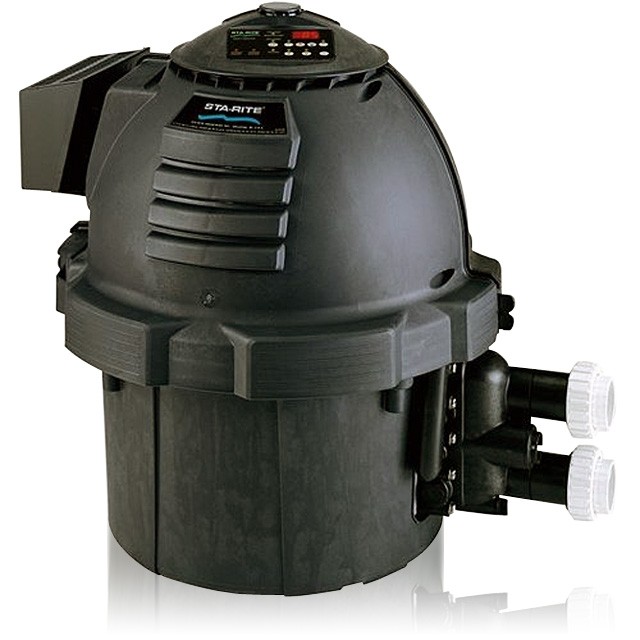
Not all ponds face the same winter challenges. The right heater depends on size, depth and climate.
Floating variants are ideal for small to medium sized ponds because they automatically activate in freezing temperatures while resting on the water's surface.
Submersible heaters sit below the surface which makes them more stable and protected.
Solar options appeal to eco conscious pond owners.
You may also encounter an inline pond heater, which connects to circulation systems. These are typically used in controlled or specialty setups rather than natural ponds.
|
Heater Type |
Best For |
Winter Severity |
Energy Source |
Reliability |
|
Floating heater |
Small ponds |
Mild to moderate |
Electric |
Medium |
|
Submersible heater |
Deep or koi ponds |
Moderate to harsh |
Electric |
High |
|
Solar heater |
Decorative ponds |
Mild |
Solar |
Low |
Winter pond care is about prevention. A heater supports several essential protective functions.
When ice seals the pond surface, harmful gases from fish waste and decaying debris become trapped. This significantly increases the risk of fish suffocation.
Fish slow their metabolism in winter. Sudden temperature changes cause stress and can weaken immunity. A heater for koi pond helps maintain stable conditions that support safe hibernation especially in heated pond systems.
An ice-free opening allows oxygen to enter the water, supporting fish and beneficial bacteria that maintain water quality.
Ice expansion can crack liners, damage pipes and stress pond pumps. A water heater for pond systems reduces freeze-related damage.
These signs suggest that natural oxygen exchange is not sufficient.
Many pond owners combine the tools rather than relying on one solution.
Aerators circulate the water and help maintain oxygen but can disturb the warm bottom layers if placed incorrectly. A heater focuses only on surface ice control.
De-icers melt ice but do not provide the consistent temperature stability. A heater maintains a controlled opening over time.
So can they be used together? Yes. We at Aquabead believe in balanced systems. Combining a heater with gentle aeration often delivers the best winter results when done correctly.
The following key factors help you choose the right heater:
A pond heater for large ponds requires higher wattage or multiple units, while smaller ponds may need only one low-watt heater.
|
Pond Size |
Recommended Heater Power |
|
Small ponds |
100 to 300 watts |
|
Medium ponds |
300 to 750 watts |
|
Large ponds |
750 watts or multiple units |
Proper placement improves efficiency and fish safety.
Depending on the size, the majority of electric pond heaters consume between 100 and 1500 watts. Although usage and temperature have an impact on monthly expenditures, wise practices can lower consumption.
Good maintenance extends heater lifespan and reliability.
Each pond is unique and heating should be based on real conditions.
A pond heater is not about creating warm water. It is about preserving balance, oxygen flow, and fish safety through winter. At Aquabead, we see pond heating as one part of a thoughtful ecosystem approach. Some pond owners use heaters, some rely on natural depth and insulation, but the most successful ponds are those prepared with intention.
Choose a heater that matches your pond size, climate and fish needs. When winter arrives, preparation makes all the difference.
If you want to learn more about winter pond care and balanced pond ecosystems, explore Aquabead blogs and keep building a pond that thrives year round.
1. What is the cheapest way to heat a pond?
Using insulation, wind barriers, and solar exposure is the most cost-effective approach.
2. Is a pond heater worth it?
Yes, especially for ponds with fish in cold climates.
How to heat a pond naturally?
Depth, insulation, and sunlight help retain warmth naturally.
3. Do pond heaters use a lot of electricity?
They use moderate power and cycle on and off as needed.
4. How to keep a pond from freezing without electricity?
Using floating covers, manual ice holes, and insulation can help.
5. How to heat a pond quickly?
Quick heating is not recommended as it can stress fish.
6. Can fish survive without a heater?
Yes, but only in suitable pond depths and climates.
7. How to keep a pond warm in winter?
Focus on stability rather than warmth.
8. What temperature should a pond heater maintain?
Just above freezing, usually between 35 and 39 degrees Fahrenheit.
9. Is a pond heater safe for koi?
Yes, a properly sized koi fish pond heater is safe.
10. Can I run a heater 24/7?
Yes, most models are designed for continuous winter use.
11. How long does a pond heater last?
Typically 5 to 10 years with proper care.
12. Can I use a heater with a pond pump?
Yes, as long as circulation is gentle and well positioned.