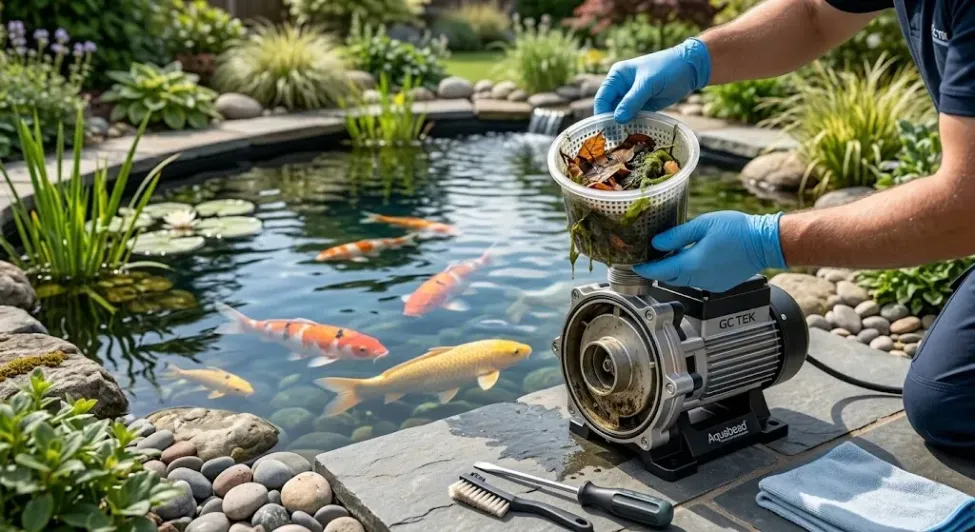
You look at your koi pond, and something feels wrong today. The water looks cloudy, even though you cleaned the filter yesterday. Many pond owners immediately blame algae or weak filtration. But the real problem often starts with something much simpler. It usually begins with the Pond Pumps running your entire filtration system. If the pump works incorrectly, every stage of filtration struggles to keep up. We see this problem often at Aquabead. People buy expensive filters yet overlook how important pond pumps really are. Your pump controls water movement, oxygen levels, and filtration performance. One small mistake here can keep your pond water cloudy for months. In this guide, you will learn 8 common pond pump mistakes. These practical tips dramatically improve your pond pump and filter performance.
By the end, you’ll understand why circulation matters and how to fix it easily.
Installing a pump that is too small is the most frequent error. Not enough water can be distributed through the pond filtration system by a weak pond pump. Waste can remain in the pond for an extended period of time due to poor circulation. In stagnant areas, fish waste and leftover food start to decompose rapidly.
Cloudy water often appears because filtration cannot process debris efficiently. Your pond pump and filter must work together to maintain water clarity.
Simple Fix: Choose pond pumps that circulate the entire pond every one to two hours. This water turnoverkeeps debris moving toward the filtration system continuously.
Even strong pond pumps fail when circulation inside the pond is uneven. Water may move near the pump but stay still in other sections. These stagnant areas are called dead zones by experienced pond keepers. Waste settles there and slowly pollutes the entire pond environment. Dead zones also reduce oxygen levels, which koi fish need for healthy activity. Over time, poor circulation weakens fish and increases algae growth.
Simple Fix: Position your pond pump where it pushes water across the entire pond surface. Goodcirculation keeps debris suspended until filters remove it properly.
Many pond owners buy pumps and filters separately without checking compatibility. This creates an imbalance between filtration capacity and pump flow. A powerful pump can overwhelm a small pond pump filter quickly. Water moves too fast through the media before beneficial bacteria can work. Weak pumps starve filters of the water they need, reducing efficiency. Both situations cloud your pond water and stress your koi.
Simple Fix: Always match your pond pump and filter to the same water flow rating. Balanced systems perform better and keep water clearer with less maintenance.
A submersible pond pump that is submerged in the water is used in many ponds. Although these pumps are practical, careful placement is necessary. Debris stays trapped close to the bottom if the pump is positioned too high. Waste slowly accumulates and begins polluting the water column.
Placing the pump directly on the pond floor can cause clogging. Sediment and sludge can quickly block the intake screen.
Simple Fix: Raise the submersible pond pump slightly above the pond floor using a stand. This keeps heavy debris from blocking the pump and enhances water flow.
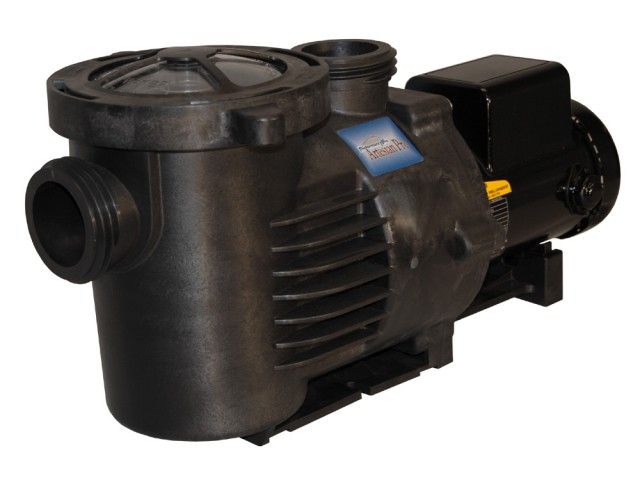
Your pond pump is constantly pulling water through an intake screen or pond pre-filter. Over time, leaves and debris accumulate near this intake area. When intake openings become clogged, water flow decreases significantly. The pump continues to run, but far less water passes through the filtration stages. Many pond owners never check the intake until water quality worsens. By then, circulation had already declined for several weeks.
Simple Fix: Inspect your pond pumps weekly and clear debris from the intake screen. This quick maintenance step keeps circulation strong and consistent.
Every pond requires a specific flow rate for proper filtration performance. Many pond owners estimate pump capacity incorrectly. A small pond pump may work temporarily in decorative ponds. But koi ponds require stronger circulation because fish produce heavy waste.
If water turns over too slowly, waste accumulates faster than filters can remove it. Cloudy water appears because filtration cannot keep pace with pond debris.
Simple Fix: Choose pond pumps that circulate the total pond volume once every one to two hours. This ensures the filtration system receives enough water for cleaning.
Many people think pumps only move water toward filtration equipment. In reality, they also help distribute oxygen throughout the pond. Moving water mixes oxygen from the surface into deeper pond areas. Koi fish depend on this oxygen for healthy growth and active swimming.
Without proper circulation, oxygen levels drop in deeper pond sections. Fish become sluggish, and biological filtration slows down.
A pond pump works continuously every day of the year. Like any equipment, it requires occasional cleaning and inspection. Dirt buildup in the impeller housing significantly reduces pump performance. The motor must work harder to maintain water movement, shortening its life. Unexpected pump failure can quickly lead to water quality problems.
Simple Fix: Your pond pump should be cleaned every few weeks, depending on the amount of debris. Regular maintenance protects the motor and improves filtration performance.
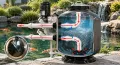
A well-designed pond system always considers water flow carefully. Your pond pump should pull water efficiently through each filtration stage. Most koi ponds follow a simple layout: water moves from the bottom and drains to the mechanical filtration first.
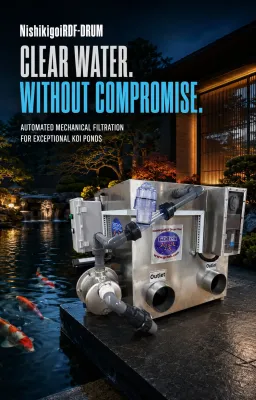
Mechanical filtration removes solid waste before water reaches biological media. After biological filtration, the pump returns clean water to the pond. UV clarifiers sometimes sit between filtration stages to control algae growth. Correct circulation ensures every stage works efficiently and keeps the water clear.
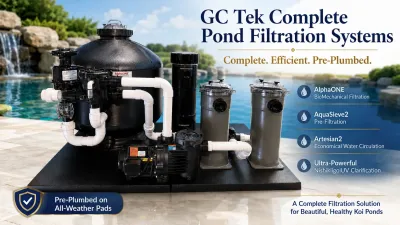
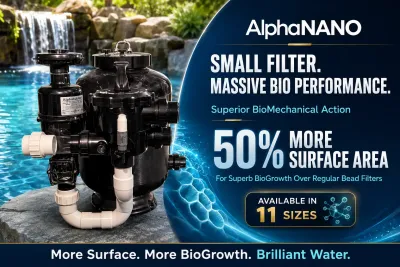
At Aquabead, we develop equipment to support balanced water flow systems. GC TEK engineering focuses on reliability, efficiency, and long-term pond health. Properly matched pond pumps and filtration equipment create stable water conditions. Healthy koi thrive when circulation, filtration, and oxygen levels remain balanced.
Sometimes cloudy pond water continues even after adjusting filtration and circulation. This usually means deeper system issues need attention. The Aquabead team works with pond owners facing these challenges daily. We understand how pond pumps, filtration systems, and water flow affect koi health. GC TEK engineers design equipment specifically for reliable koi pond filtration. The right pond pump and filter combination can dramatically improve circulation and water clarity. If your pond still struggles, expert guidance makes solving the problem easier. Browse Aquabead equipment categories and find solutions for real koi ponds.
How powerful should a pond pump be for koi ponds?
Most koi ponds require pond pumps circulating the entire pond volume every one to two hours.
Are submersible pond pumps good for filtration systems?
Yes, a submersible pond pump works well when placed correctly and maintained regularly.
How often should you clean a pond pump?
Most pond pumps should be inspected weekly and cleaned every few weeks, depending on debris levels.
Can a pond pump run all year round continuously?
Yes, most modern pond pumps are designed to operate safely twenty-four hours every day.
What happens if pond pumps are too small?
Undersized pond pumps reduce circulation, causing poor filtration and cloudy pond water.
Do pond pumps help oxygen levels?
Yes, moving water from the pond pumps distributes oxygen throughout the pond environment.