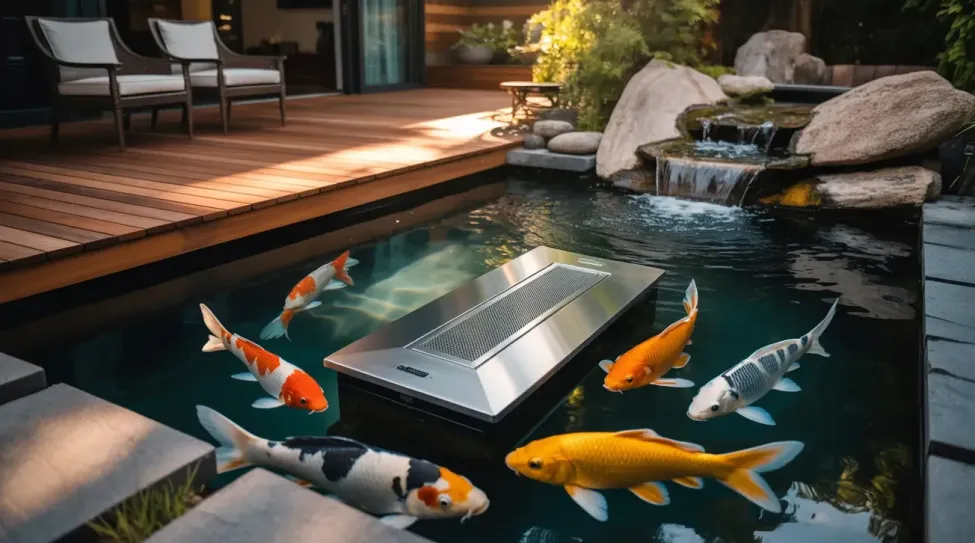
Picture this: It's 2 AM on a freezing January night in Anchorage. Your koi are sleeping peacefully under the surface. Then your pond heater stops working. You don't know it yet because you're asleep too. By morning, your pond tells a different story.
We've seen this scenario play out dozens of times. Pond owners wake up to find their fish gasping at the surface. Ice crystals form at the edges. The water temperature drops fast. What seemed impossible yesterday becomes your worst nightmare today.
Your Pond Heater isn't just another piece of equipment. It's a life support system. When it fails during winter, every hour counts. The difference between a close call and a tragedy often comes down to how quickly you respond.
At Aquabead, we've helped pond owners recover from heater failures across Alaska, Canada, and beyond. We've heard the panic in their voices. We've seen the photos of ice-covered ponds. And we've learned exactly what happens in those critical first 24 hours. This isn't about scaring you. It's about preparing you. Because knowing what to expect can save your fish.
When your heating a pond system fails, nothing dramatic happens right away. The water holds its temperature for a while. Your fish swim normally. Everything looks fine. But the clock is ticking.
Water temperature drops slowly at first. In a 1,000-gallon pond, you might lose 2-3 degrees in the first few hours. Your koi pond heater was maintaining 50°F. Now it's sliding toward 47°F, then 45°F.
Your fish don't panic yet. They sense something is wrong, but they adjust. Cold-blooded creatures can handle gradual changes better than sudden ones. The real danger? You probably don't know anything is happening.
Sarah from Vancouver learned this the hard way. Her outdoor pond heater quit at midnight. By 7 AM, she was pouring her morning coffee when she glanced outside.
"The fish were all clustered in one corner," she told us. "They weren't moving much. That's when I knew something was terribly wrong."
In smaller ponds or extreme wind chills, you can see a drop of nearly 10 degrees by morning—a shock that many fish can’t recover from. Your fish pond heater was your defense against freezing air. Without it, physics takes over. Cold air pulls heat from the water fast.
Fish behavior changes noticeably. They stop eating. They gather at the deepest point where water stays slightly warmer. Their breathing slows down. Some float near the bottom, barely moving. Ice begins forming at the edges. It starts as a thin skim. Within an hour, it's a quarter-inch thick.
This is where emergency action becomes critical. Tom runs a koi breeding operation in Fairbanks. Last February, his coy pond heater failed overnight during a cold snap. He didn't discover it until noon the next day.
"Half the pond was frozen over," Tom said. "The fish were in a small pocket of open water. They were barely responsive. I thought I'd lost them all."
By hour twelve, several dangerous things happen:
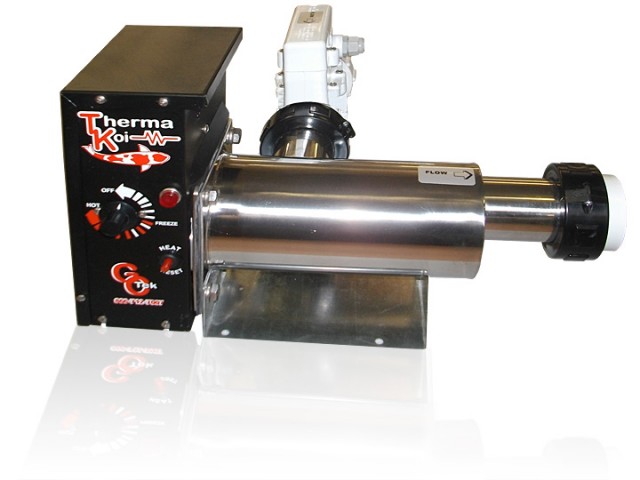
Every pond owner who's faced a heater failure remembers the scramble to fix things. Maria in Juneau ran into this last winter. Her small pond heater stopped during a weekend trip. Her neighbor noticed the problem and called her.
"I drove three hours straight through a snowstorm," Maria said. "I brought every portable heater I owned. It took six hours to stabilize the temperature."
The recovery process is delicate. You can't warm the water too fast. Rapid temperature changes shock fish worse than cold water. You need to raise the temperature 2-3 degrees per hour. No faster. Meanwhile, you're running extension cords. You're testing backup equipment. And you're watching your fish and praying they make it.
The stress on fish during these hours is enormous. Even if they survive, some may develop infections later. Cold stress weakens their immune systems for weeks.
By the 24-hour mark, you know if you've won or lost the battle. If you caught the problem early and acted fast, your fish would recover. They start moving again as the water warms. They come to the surface. Within days, they're eating normally.
If you catch it late, you face losses. Some fish don't make it. Others develop health problems. Fungal infections appear. Wounds from ice scraping show up. The pond ecosystem takes weeks to stabilize. We've seen both outcomes. The difference isn't luck. It's preparation.
Every story we've shared teaches the same lesson. Prevention beats emergency response every time. Modern smart pond heater technology changes everything. Temperature alerts notify you instantly when readings drop. Remote monitoring lets you check your pond from anywhere. Backup systems kick in automatically when primary units fail.
But technology alone isn't enough. You need protocols.
The peace of mind is worth every minute of preparation.
Winter pond management isn't optional in cold climates. Your fish depend entirely on the systems you put in place. When your koi pond heater fails, you have no other options. They can't swim to warmer water. Additionally, they can't regulate their own temperature. They wait for you to fix the problem. These steps can save your fish when every minute counts:
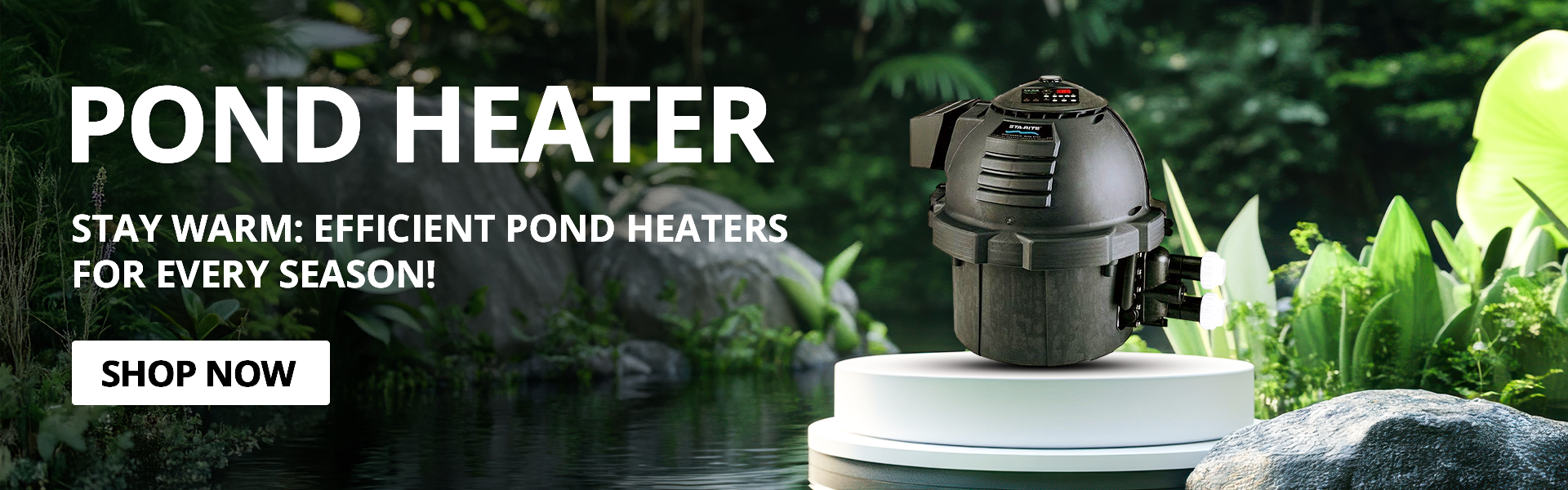
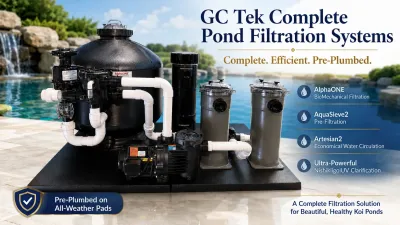
We at Aquabead work with pond owners facing extreme conditions every day. We understand the challenges of Alaska winters. Additionally, we know what Canadian cold snaps do to ponds. We've helped people recover from every type of heating failure. The equipment matters. GC TEK designs Aquabead systems to handle the toughest conditions. Different sizing models fit every pond type. Durability is built into every component.
But the real protection comes from your vigilance. Your backup plans. Your willingness to check your pond even on the coldest mornings. Don't wait for a failure to teach you these lessons. Learn from the experiences we've shared. Prepare your pond now. Set up monitoring systems. Test your equipment. Create your emergency plan.
Your pond heater will eventually need replacement or repair. That's not a question of if, but when. The question is whether you'll know about it in time. If you need help assessing your current setup or want to discuss winter protection strategies, reach out to us at Aquabead. We're here to help pond owners succeed in even the harshest climates. Your fish are counting on both of us.
1. How long can pond fish survive without a pond heater in winter?
Fish survive 4-12 hours, depending on outside temperature and pond size before stress begins.
2. What are the first signs that my pond heater stopped working?
Ice forming at edges, fish clustering together, and decreased activity are the earliest warning signs you'll notice.
3. Can I use a solar pond heater as an emergency backup?
Solar units work in sunny conditions but lack power for extreme cold or nighttime emergencies.
4. How fast should I warm my pond after heater failure?
Raise the temperature 2-3 degrees per hour maximum to avoid shocking your fish with rapid changes.
5. Do I need different heaters for small versus large ponds?
Yes, you need proper sizing to heat effectively and avoid overworking or underperforming equipment issues.
6. What's the minimum safe water temperature for koi in winter?
Koi handle 36-40°F safely but prefer 45-55°F for reduced stress and better health outcomes.
7. Should I keep a backup heating a pond system ready?
Absolutely, you should store a backup unit and test it monthly during the winter months.