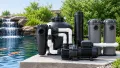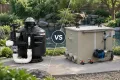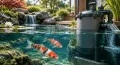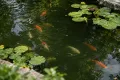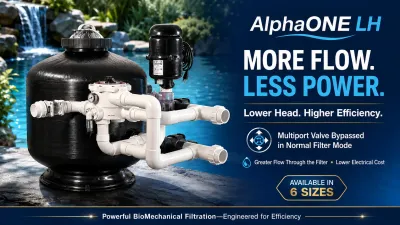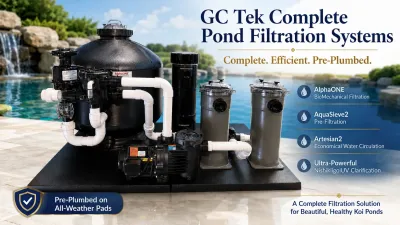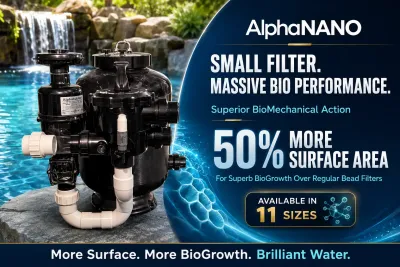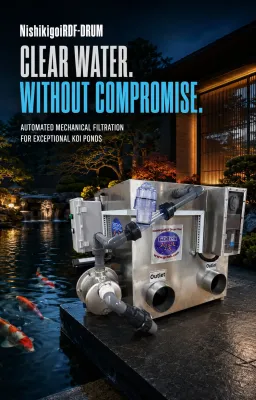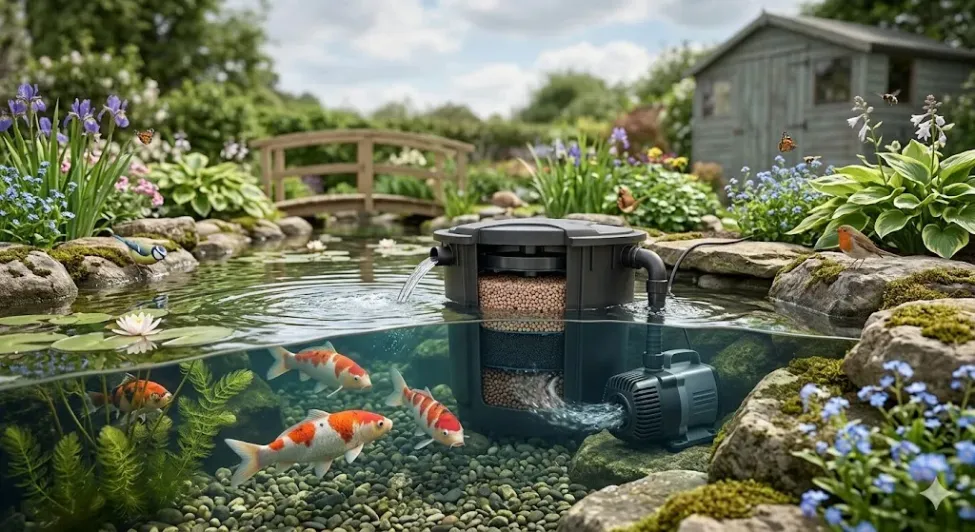
A garden pond never stays still for long—and that’s exactly where the real challenge begins for a full garden ecosystem. What starts as a clear, peaceful water feature can slowly affect not just the pond itself, but also the plants, insects, birds, and overall natural balance around it once waste, changing weather, and algae growth start taking over. This is where Pond Filtration Pumps become essential for maintaining a healthy garden ecosystem. They quietly keep everything working in balance—keeping water in motion, removing waste, and supporting clean oxygen flow that benefits fish, plants, and surrounding wildlife.At first, everything appears perfectly in sync. Fish swim peacefully, water reflects the sky, and the entire garden ecosystem feels lively and balanced. But beneath the surface, things are constantly changing. Water clarity gradually deteriorates without warning, tiny debris accumulates, and oxygen levels fluctuate. At Aquabead, the focus is on helping pond owners protect the natural balance before issues arise, as a healthy ecosystem relies on the right filtration working silently in the background.
Clean water is not just about looks. It directly affects fish health, plant growth, and even the small wildlife that depends on the pond. In most ponds, waste builds up every day. Fish produce waste, leaves fall in, uneaten food sinks, and dust collects over time. If this is not managed properly, the water slowly becomes unhealthy.
When pond water is not balanced, you usually notice:
A proper pond filter system helps keep all of this under control by continuously cleaning and balancing the water.
For koi ponds, this is even more important because koi produce more waste compared to many other fish.
Here’s a simple breakdown of what usually goes wrong and how filtration helps in real situations:
|
Pond Problem |
What usually causes it |
How filtration helps |
|
Cloudy water |
Dirt and waste buildup |
Removes fine particles and clears water |
|
Green water |
Too many nutrients |
Controls algae growth naturally |
|
Bad smell |
Sludge at the bottom |
Improves oxygen and water movement |
|
Fish stress |
Low oxygen levels |
Keeps water fresh and balanced |
|
Sludge buildup |
Leftover food and leaves |
Removes waste before it settles |
In simple terms, a pond filter keeps the water from going “stale” by constantly cleaning it in the background.
Many beginners think pond systems are complicated, but the idea is actually simple.
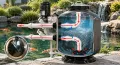
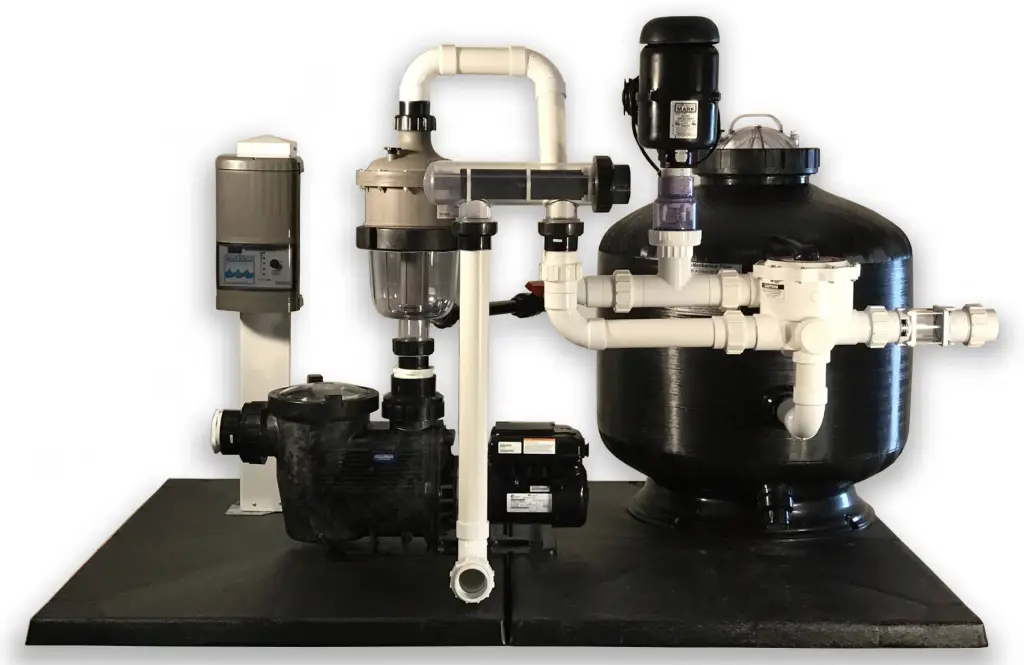
A pond pump and filter system works like a loop:
This cycle keeps repeating all day.
There are two main cleaning stages:
This is the physical cleaning stage. It catches:
This stage is more natural. Helpful bacteria break down harmful substances like ammonia and nitrites. Together, they keep the pond stable and safe for fish. Without this movement, water becomes still, and still water quickly becomes unhealthy.
A pond is not an isolated feature. It affects everything around it.
Birds often drink from it. Bees and butterflies rely on nearby plants. Frogs and insects also use the water for survival. When the pond is healthy, the whole garden feels more alive.
A working pond filter system helps by:
In simple words, clean pond water supports life beyond just fish.
Not every pond needs the same kind of system. As each pond is unique and may need different solutions to work best. The ideal choice really depends on the size, the number of fish, and how much maintenance you're comfortable handling.
Always select a system that is marginally larger than the size of your pond. This tends to give better results, especially during the warmer summer months or when feeding is especially heavy.
Having more fish results in more waste, but it also means more lively aquatic environments and opportunities for enjoyment. Balancing these aspects carefully can help create a healthy and vibrant ecosystem. Koi ponds especially require more powerful pond filtration pumps because koi produce a greater biological load.
Water should not stay still for long periods. If circulation is weak, dirty areas start forming. A good pond pump and filter keep water moving evenly across the entire pond.
Even a good system will not work properly if placed incorrectly.
A few simple tips:
In deeper ponds, waste usually collects at the bottom, so positioning the pump properly helps improve cleaning.
One mistake many pond owners make is turning the system off too often.
In most cases, the pond pump and filter should run continuously.
Continuous flow helps:
Even experienced pond keepers sometimes run into issues like:
If the filter is too small, it cannot handle koi waste properly.
The beneficial bacteria that maintain water balance can be eliminated by frequent cleaning.
Healthy water is not always indicated by clear water.
Water flow is decreased, and the entire system is impacted by a clogged pond filter.
Good filtration works best with small daily habits.
These small actions reduce pressure on your filtration system.
If most of these are in place, your pond is in good condition.
A healthy pond does not happen by accident. It stays balanced because water is constantly moving, waste is removed, and the ecosystem is supported properly. That is why pond filtration pumps are such an important part of pond care. They quietly do the daily work that keeps everything stable. With the right pond pump and filter setup, maintaining a pond becomes much easier, and fish stay healthier throughout the year. If you are looking for reliable equipment, explore Aquabead. Their filtration systems are designed to keep ponds clean, stable, and easy to manage in every season.
1. How frequently should a pond filter be cleaned?
Usually, once a week or whenever you observe a decrease in water flow. To preserve beneficial bacteria, do not overclean.
2. Can pond filtration pumps run all the time?
Yes, they are designed for continuous use and work best when kept running all day.
3. Why is my pond still cloudy after filtration?
It may be due to overfeeding, a new pond setup, or a system that is too small for the pond size.
4. Ever wondered if small ponds really need filtration?
The answer is yes! Even tiny ponds can accumulate waste pretty fast, so good circulation helps keep them healthy and lively.
5. Curious about the difference between a pump and a filter?
Think of the pump as the water mover, and the filter as the cleaner that keeps the water fresh. When they work together, they make a great team for maintaining a beautiful pond.