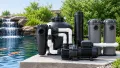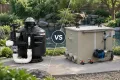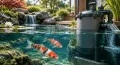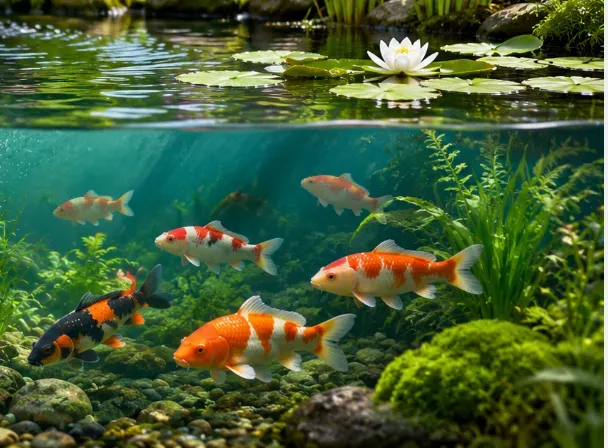
A koi pond may look peaceful on the surface, but we know how quickly things can change underneath. Leaves fall in, fish produce waste, uneaten food settles, and algae starts to build up before you even notice it. One day, your water looks crystal clear, and the next, it feels cloudy or slightly off.
This is something every pond owner experiences at some point. The reality is simple: no pond can stay clean on its own. Without a proper pond filter system, the water quickly loses balance. At Aquabead, we often see beginners surprised by how fast conditions change.
In this guide, we’ll explain how a well-designed system keeps your pond clean year-round and the practical steps we recommend to maintain a healthy koi environment.
A healthy pond is not just about clear water; it’s about safe water for your koi.
Koi fish are sensitive, and even small changes in water quality can affect their health and behavior. That’s why a proper pond filtration system is essential for long-term stability.
A well-designed system helps by:
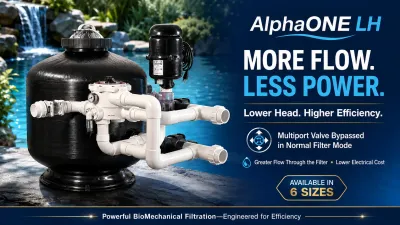
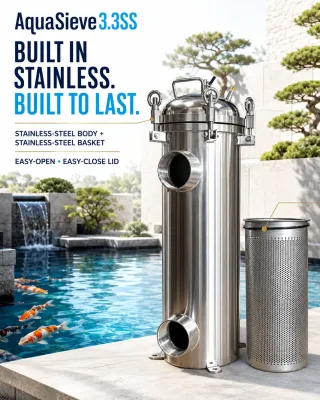
In simple terms, the Complete Pond Filter works like the kidney system of your pond. Without it, toxins build up quietly, even if the water still looks fine at first.
To make things easier, here’s a simple breakdown of common systems we usually recommend depending on pond size and fish load:
|
Type of System |
Best For |
How It Works |
Key Benefit |
|
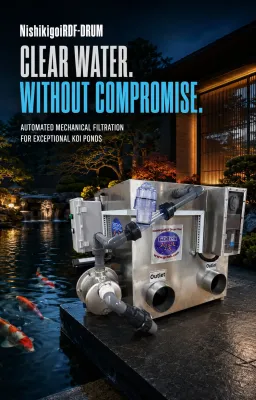
Mechanical pond filter |
Small–medium ponds |
Traps solid debris and dirt |
Keeps water visibly clean |
|
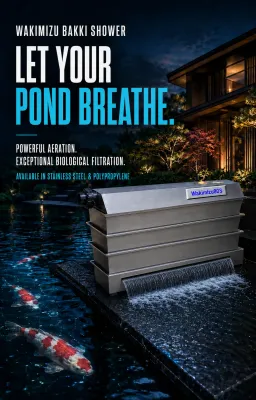
Biological koi pond filters |
Koi-heavy ponds |
Uses beneficial bacteria |
Breaks down toxic waste |
|
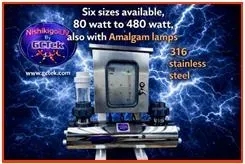
UV filters for a pond |
Green or algae-prone ponds |
Uses UV light to control algae |
Improves clarity fast |
|
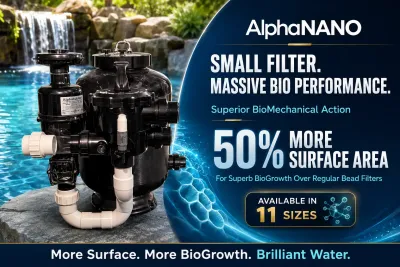
Pressurized koi carp pond filter |
Compact garden ponds |
Combines pressure + filtration |
Easy hidden installation |
|
Multi-chamber Pond Filtration System |
Large koi ponds |
Multi-stage filtration process |
Long-term water stability |
This comparison helps you choose the right setup based on your pond’s real conditions, not just size but fish load and maintenance level too.
Here’s how it works in simple terms.
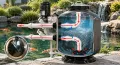
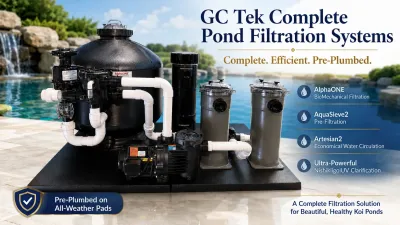
A filtering pond system combines multiple cleaning stages that work continuously to maintain balance:
When combined, these phases transform erratic pond water into a pure, well-balanced environment that allows koi to flourish. Your koi carp pond filter becomes the most crucial component of your entire pond setup once everything is operating as it should.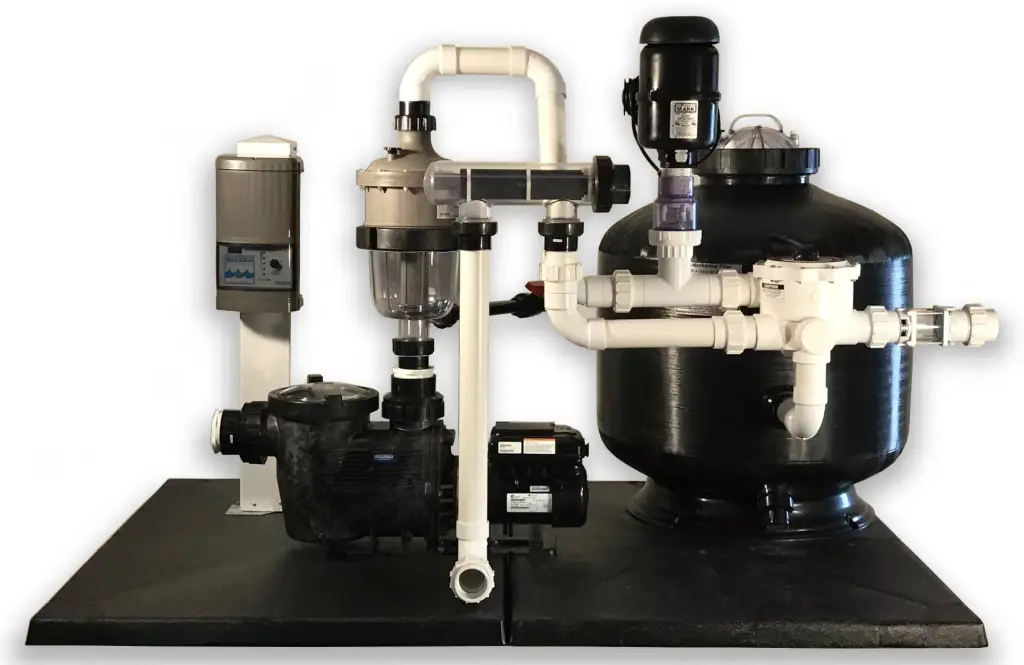
Selecting a system that is marginally larger than the size of your pond is always advised by us. Undersizing the filter is a common error that results in subpar performance.
A strong pump ensures the koi pond filters work properly and prevents clogging or stagnant zones.
Even the best system needs regular care. From our experience, small habits make a big difference in long-term pond health.
Maintenance tips we recommend:
Common mistakes we often see
Extra care for better water quality
A properly maintained koi carp pond filter reduces most of the workload, but consistency is what keeps the system stable.
Here’s a simple checklist we recommend to all pond owners:
If most of these are in place, your pond ecosystem is in a healthy condition.
A koi pond is not something you fix once and forget. It’s a living system that needs balance throughout the year. A properly designed pond filter system makes that balance possible by keeping water clean, stable, and safe in all seasons.
Aquabead is dedicated to developing dependable solutions that make pond care easier for both new and experienced owners. With the right system in place, keeping your pond is less stressful and far more predictable.
If you’re looking for reliable solutions, explore our high-quality Aquabead equipment. Our advanced systems are designed to keep your pond stable, healthy, and easy to manage all year round.
1. How often should I clean a pond filter system?
We recommend light cleaning every 1–2 weeks, depending on fish load and debris levels. Avoid over-cleaning biological media.
2. Can I switch off the pond filter system at night?
No, we don’t recommend it. The system should run continuously to maintain bacterial balance and water quality.
3. What size pond filter system do I need for koi?
Always choose a system slightly larger than your pond size, especially for koi ponds with higher waste levels.
4. Why is my pond still cloudy after installing a filter?
It usually takes 2–4 weeks for bacteria to fully establish. Overfeeding and poor circulation can also slow clarity.
5. Do pond filters work in winter as well?
Yes, they should continue running. We simply adjust maintenance frequency based on seasonal activity levels.