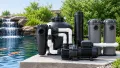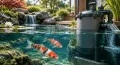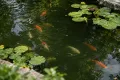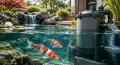
Many koi pond owners have experienced it. The water looks clear one day, but a few days later, it turns cloudy. Debris starts building up, algae begins to appear, and the fish seem less active than usual.
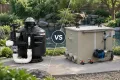
In many cases, the issue is not the fish or the weather; it's the filtration system. A properly sized pond pump and filter work behind the scenes to keep water clean, balanced, and healthy for koi.
Choosing the right setup can feel confusing, especially with so many options available. At Aquabead, we have helped pond owners maintain healthier ponds for years and have come to understand what makes a filtration system effective. This guide explains how to choose the right pond filter and pump, key features to consider, and practical tips for year-round pond health.
Add the table immediately after the introductory paragraph of that section and before "Start with Pond Size."
|
Pond Type |
Recommended Pump Flow Rate |
Recommended Filter Capacity |
Best Choice |
|
Small Decorative Pond (Up to 500 Gallons) |
500–700 GPH |
Rated for 500–1,000 Gallons |
Small Pond Pump and Filter System |
|
Medium Pond (500–1,500 Gallons) |
1,000–1,500 GPH |
Rated for 1,500–2,000 Gallons |
Pond Pump and Filter |
|
Large Koi Pond (1,500–3,000 Gallons) |
2,000–3,000 GPH |
Rated for 3,000–4,000 Gallons |
Koi Pond Pump and Filter |
|
Heavy-Stocked Koi Pond (3,000+ Gallons) |
3,000+ GPH |
Oversized Biological Filtration |
Filter and Pump for Koi Pond |
A quick comparison helps identify the best setup before examining models. While ponds are unique, these recommendations are a practical starting point for most koi keepers.
Koi produce a significant amount of waste compared to many other pond fish. Leaves, uneaten food, and other organic matter also build up over time. Without an effective koi pond pump and filter, these materials can quickly affect water quality.
The key reason is simple: healthy water supports healthy fish.
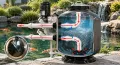
In simple terms, the pump moves water while the filter cleans it.
Here's how it works:
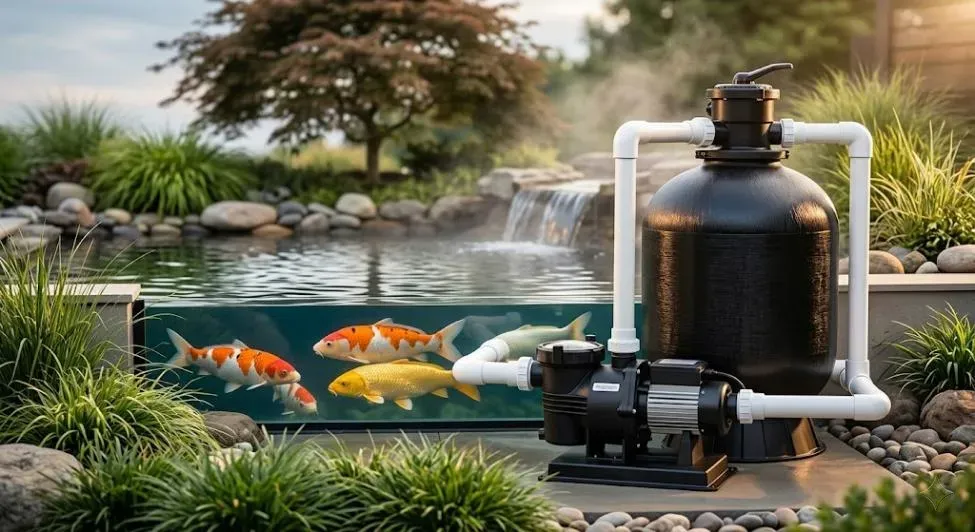
The pond pump and filter system starts with the pump. It pulls water from the pond and sends it through the filtration system.
The filter removes unwanted materials from the water.
Most filters perform two important jobs:
Mechanical Filtration
This captures physical debris such as:
This promotes the growth of beneficial bacteria that break down hazardous waste products. These techniques work together to maintain balanced pond conditions.
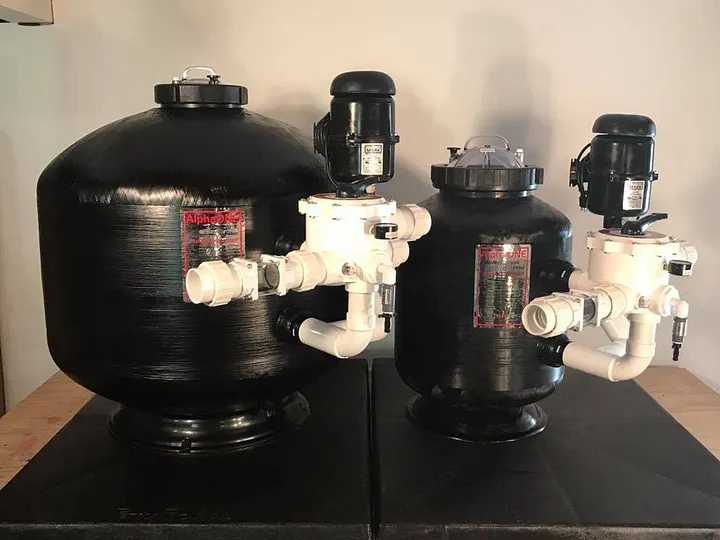
The first step is knowing your pond's volume. Pump and filter performance depends heavily on the amount of water they need to manage.
We have found that many pond owners focus only on their pond's current needs. In reality, koi grow quickly, and filtration demands increase over time. That's why we often recommend choosing a system with a little extra capacity rather than the minimum required. It can make pond maintenance easier and help maintain better water quality in the long run.
One of the most common mistakes we see is choosing a pump that doesn't move enough water. If the flow rate is too low, waste can settle in the pond, water quality can decline, and your filter won't perform as effectively.
As a general rule, try to circulate the entire pond volume about once every hour.
Keep in mind that the numbers listed on a pump box don't always reflect real-world performance. Waterfalls, long pipe runs, bends in plumbing, and elevation changes can all reduce flow. That's why we recommend looking at the pump's performance chart rather than relying solely on the advertised flow rate.
The type of pond also affects your choice.
A decorative pond with a few fish usually requires moderate filtration.
A filter and pump for koi pond setups generally need stronger filtration because koi create more waste.
Water gardens often require a balance between circulation and aesthetics.
Understanding your pond's purpose helps narrow down suitable equipment options.
Many beginners ask this question. A small pond pump and filter system can work very well for compact ponds with a limited number of fish.
It may be suitable for:
However, as koi grow larger, filtration demands increase.
A small pond pump and filter that works today may not be enough in a year or two if fish numbers increase. Planning for future growth can save money and effort later.
When comparing pond pumps and filters, look for practical features rather than marketing claims.
Pumps run continuously. An energy-efficient model can help reduce operating costs year-round.
Filters that are easy to clean encourage regular maintenance.
Quality biological media provides more surface area for beneficial bacteria.
Outdoor equipment must withstand changing weather conditions.
The pump and filter should be designed to work together efficiently.
Aquabead always encourages pond owners to focus on filtration performance, ease of maintenance, and long-term reliability. A well-designed system can make pond care much simpler year-round.
The pond pump's performance improves with proper positioning.
Filtration is often improved by proper placement, without the need for equipment upgrades.
Many pond owners wait until water quality declines before upgrading.
It is often better to upgrade when
Early upgrades can prevent larger problems later.
Even the best pond pump and filter need regular maintenance.
Clear the area of any trapped debris before it obstructs water movement.
Reduced flow may indicate blockages or pump issues.
Throughout the season, keep an eye out for wear or leaks.
To identify problems early, test the water regularly.
Biological media should not be overcleaned since this can eliminate beneficial bacteria. Fixing significant pond issues is typically more difficult than routine maintenance.
Place it right after the introductory sentence and before the individual mistake explanations.
|
Mistake |
What Happens |
|
Choosing a pump that's too small |
Poor circulation and dirty water |
|
Undersized filter |
Increased waste buildup and algae growth |
|
Skipping maintenance |
Reduced system performance |
|
Overstocking koi |
Filtration struggles to keep up |
|
Poor pump placement |
Dead spots and uneven circulation |
|
Ignoring future fish growth |
The system becomes inadequate over time |
Many pond problems can be traced back to one of these common issues. Understanding them early can save time, money, and frustration later.
Use this checklist when selecting a koi pond pump and filter:
A healthy koi pond doesn't happen by accident. Every clear pond has a filtration system that operates reliably every day. Selecting the appropriate pond pump and filter keeps the water flowing, removes waste before it becomes a problem, and provides your fish with a more stable environment.
Whether you're building a new pond or enhancing an existing one, it pays to look beyond your immediate needs. Over time, filtration requirements rise, koi grow, and ponds alter. Pond maintenance can be considerably simpler in the years to come if the appropriate equipment is chosen early on.
The Aquabead has been assisting pond owners in creating healthier, cleaner ponds for years. Examine our selection of equipment if you're searching for dependable filtration solutions that promote healthy koi, clear water, and simpler pond management all year round.
1. How often should a pond pump run?
For most koi ponds, the pump should run continuously. Constant circulation helps maintain water quality and keeps the filtration system working properly.
2. Can I use a small pond pump and filter for koi?
You can if the pond is small and lightly stocked. As koi grow larger, you'll usually need a more powerful filtration system.
3. How can I tell if my filter isn't keeping up?
Cloudy water, recurring algae growth, and frequent debris buildup are often signs that your filtration system is undersized.
4. Should pond pumps stay on during winter?
In many ponds, yes. However, the best approach depends on your climate, pond depth, and winter management strategy.
5. How often should I clean my pond filter?
There is no fixed schedule. Check it regularly and clean it when debris begins restricting water flow or reducing performance.