A clear pond is something every koi owner wants. But many beginners notice that their pond water turns cloudy after only a few weeks. Leaves, fish waste, leftover food, and tiny dirt particles can quickly build up. Before long, the water starts to smell, algae appear, and the fish become stressed.
The good news is that most of these problems can be prevented with the right koi pond filter system setup. You do not need a complicated system or years of experience. With the right equipment and a simple setup, your pond can stay cleaner, healthier, and much easier to maintain. This guide explains everything in simple terms so you can build a filtration system that keeps your koi happy year-round.
A pond is a small ecosystem. Every day, fish produce waste, plants lose leaves, and dust blows into the water. Without proper filtration, harmful waste builds up quickly.
A good koi pond filter system setup helps:
The key reason is simple. Clean water means healthier fish, less maintenance, and fewer water quality problems.
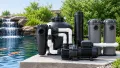
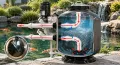
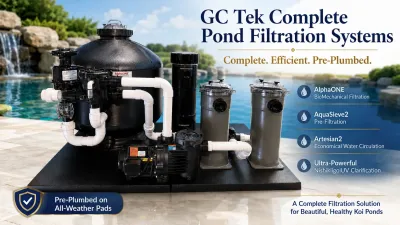
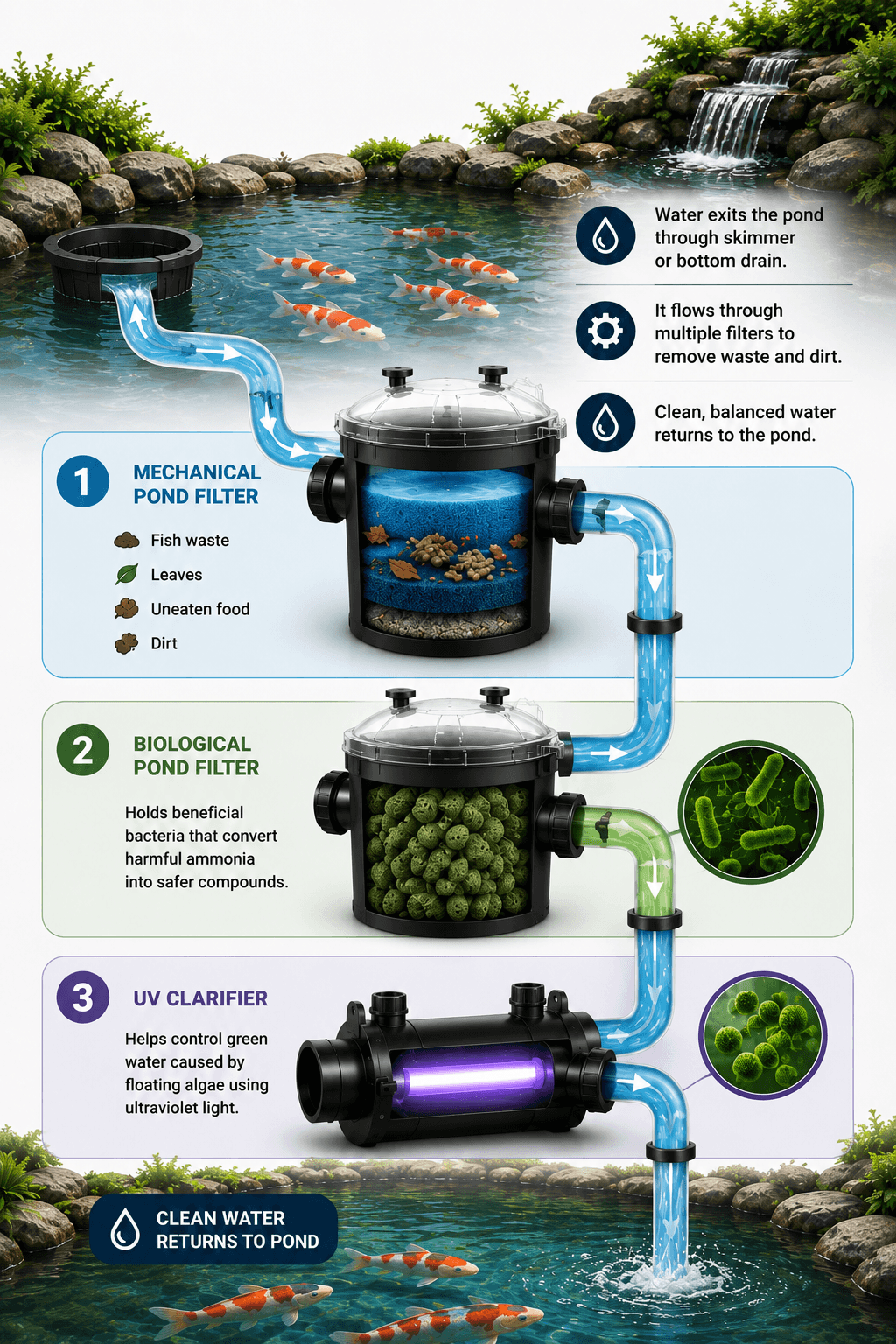
In simple terms, a koi pond filtration system cleans and balances your pond water before it returns to the pond. Here's how it works:
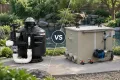
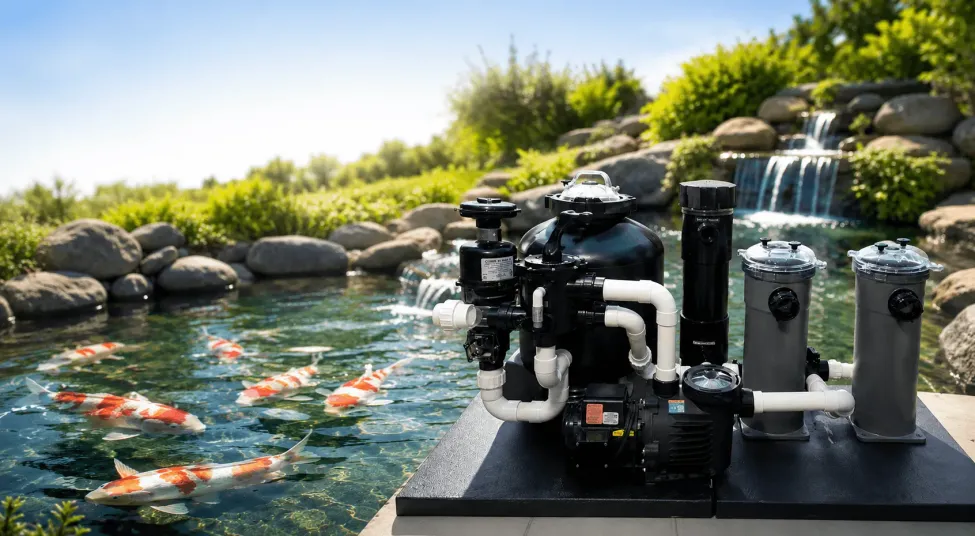
A skimmer or bottom drain allows water to exit the pond. After that, it goes through several filters to get rid of harmful waste and dirt. At last, pure water returns to the pond. Most systems include three important parts:
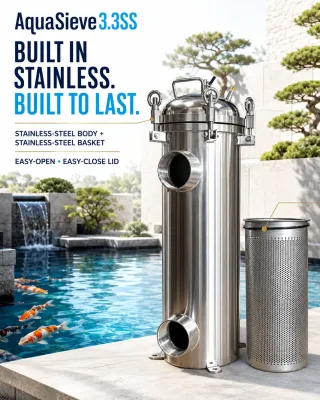
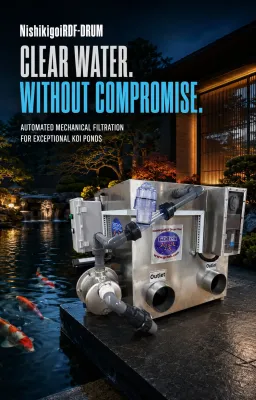
This catches large waste, such as
Removing these materials early keeps them from breaking down inside the pond.
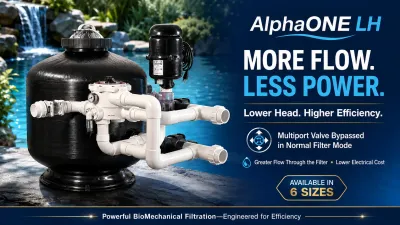
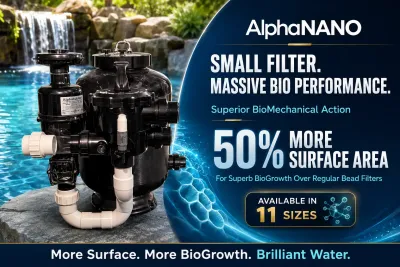
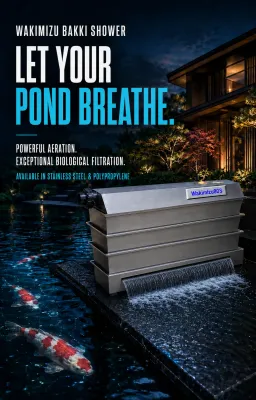
A biological pond filter holds beneficial bacteria. These bacteria naturally change harmful ammonia into safer compounds, helping maintain healthy water conditions for koi.
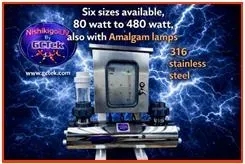
A UV clarifier for a pond is not always required, but many pond owners use one to control green water caused by floating algae. It works by exposing algae to ultraviolet light before the water returns to the pond.
One of the biggest mistakes beginners make is buying a filter that is too small. When choosing your pond filter system, think about:
Larger ponds need larger filters. Always choose equipment rated for your pond size or slightly larger if you keep many koi.
More koi produce more waste. A heavily stocked pond needs stronger pond water filtration than a lightly stocked pond.
Young koi grow quickly. Buying a slightly larger filter now can save money later.
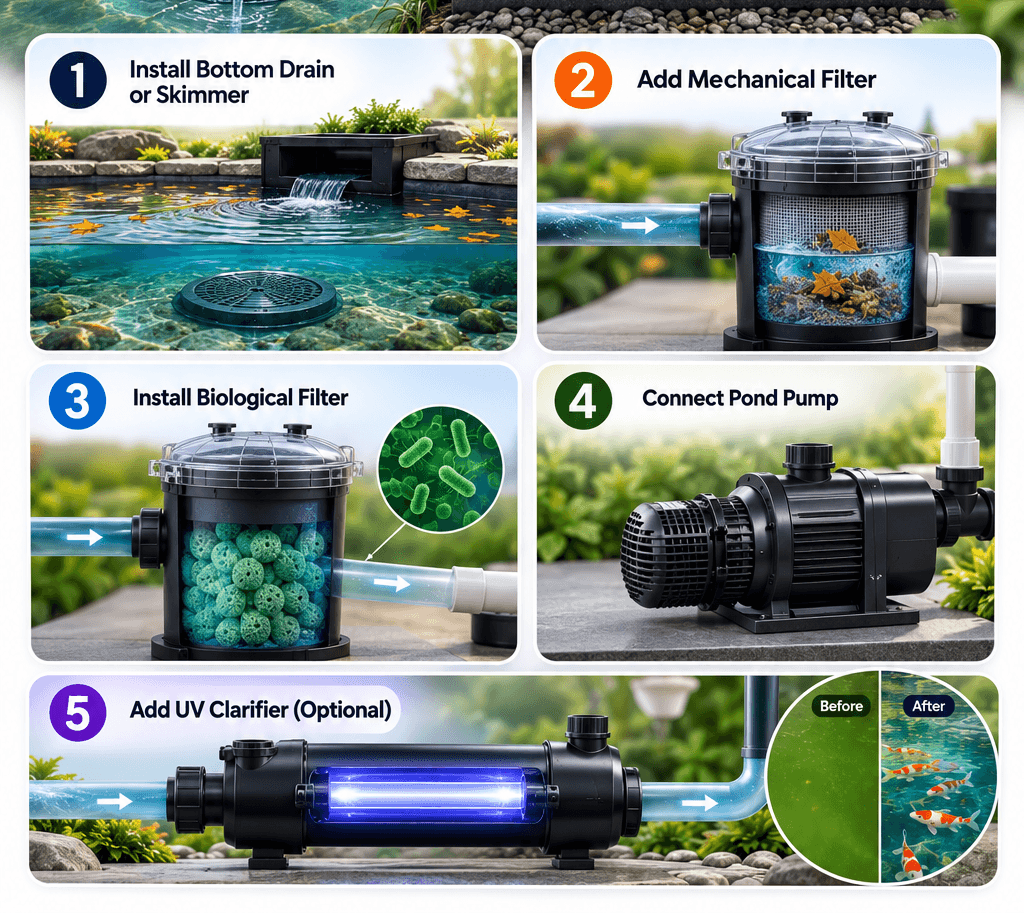
Setting up your pond filtration setup is easier than many people think.
Waste that accumulates on the pond floor is removed by a bottom drain. Floating leaves and other debris are removed from the surface using a skimmer. Both are used in many ponds to improve cleanliness.
Solid waste should be captured by the first filter before it enters the biological section. This lowers maintenance and keeps the system as a whole cleaner.
After solid waste is removed, water enters the biological chamber. This is where helpful bacteria grow and naturally clean the water. Do not wash this filter with tap water because chlorine can kill the beneficial bacteria.
Water flows through the filters thanks to a dependable koi pond pump. Select a pump that moves the entire pond once every one to two hours. Good water flow makes it easier for oxygen to get to every area of the pond.
If your pond often turns green, adding a UV clarifier for pond can make a big difference. It works best after the mechanical filter and before the water returns to the pond.
Good placement improves both performance and maintenance. Here are a few helpful tips:
Proper placement also reduces pressure on your koi pond equipment, helping it last longer.
Many beginners wonder if they should turn the filter off at night. The answer is no. Your pond filter system should run all day and all night. Continuous filtration keeps beneficial bacteria alive and maintains stable water quality. During winter, your setup may change depending on your local climate, but water circulation should never stop completely unless recommended for extreme freezing conditions.
Even the best Koi Pond Filter System Setup needs regular care.
A simple maintenance routine includes:
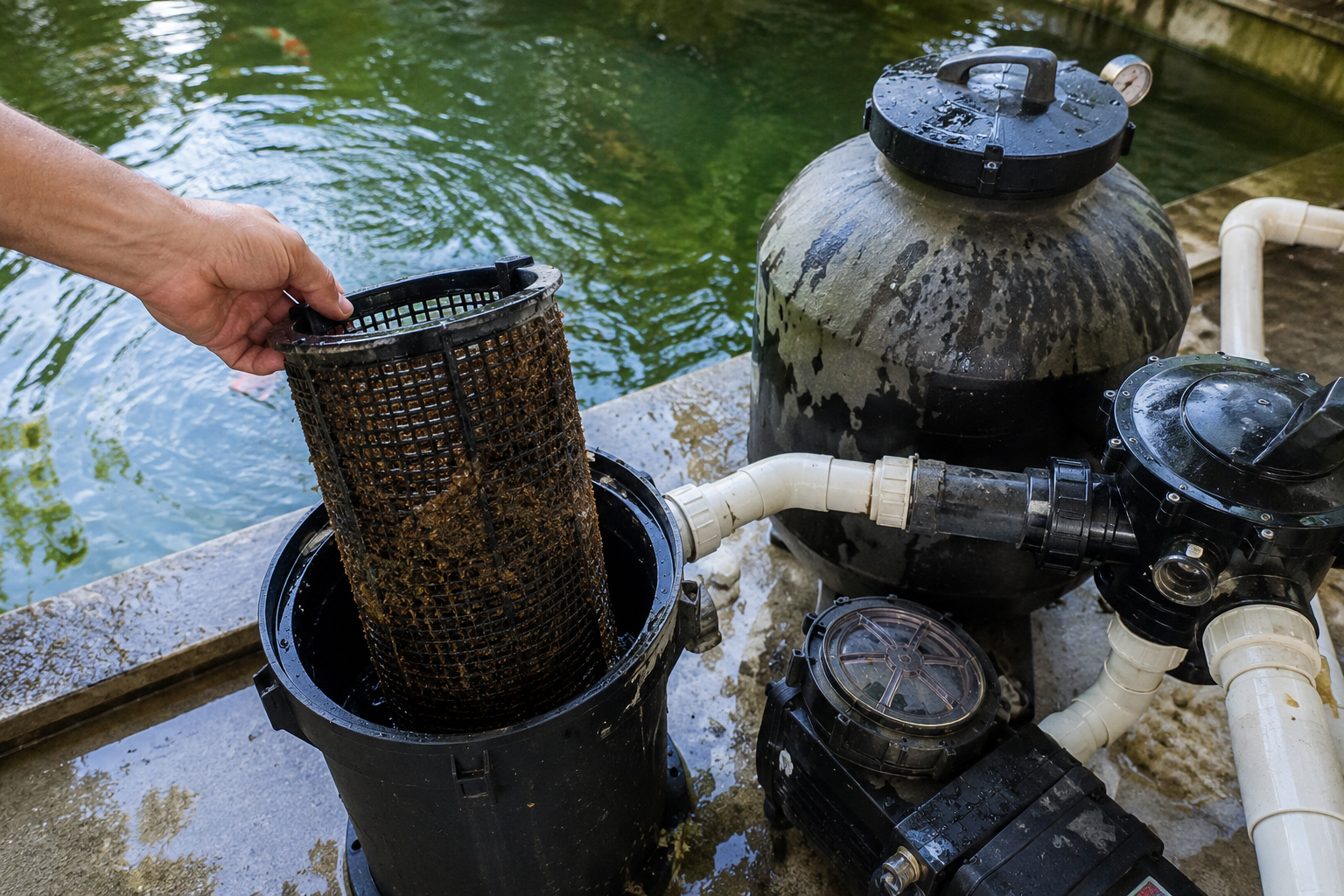
Regular pond filter maintenance prevents small problems from becoming expensive repairs.
Many pond problems happen because of simple mistakes. Avoid these common errors:
Learning these lessons early makes koi pond care much easier.
Filtration is only one part of a healthy pond. You should also:
Small daily habits help maintain excellent koi pond water quality throughout the year.
Before you finish your Koi Pond Filter System Setup, check these essentials:
A well-planned koi pond filter system setup is one of the best investments you can make for your pond. It keeps the water cleaner, reduces maintenance, and creates a safer environment where koi can thrive. Even if you're just starting, choosing the right koi pond filtration system, maintaining it regularly, and following a few simple habits will make pond care much easier throughout the year.
For reliable solutions, check out our high-quality equipment at Aquabead. Our cutting-edge systems are made to keep your pond stable, healthy, and simple to maintain throughout the year.
1. How big should my koi pond filter be?
Choose a filter that matches your pond size, or go one size larger if you have many koi.
2. Should I leave my pond filter running all the time?
Yes. Your filter should run 24 hours a day to keep water clean and beneficial bacteria healthy.
3. Do I need a UV clarifier for my koi pond?
Not always. However, it is very helpful if your pond often develops green water from algae.
4. How often should I clean my pond filter?
Check it every week and clean it when waste begins to build up. The exact schedule depends on your pond and fish load.
5. Can one filter keep my koi pond clean?
A complete system with mechanical filtration, biological filtration, and proper water circulation usually provides the best long-term results.