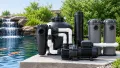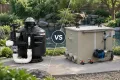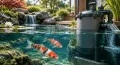
Your koi look stressed. Your water is green or cloudy. You spend every weekend cleaning your Pond Filter, and you are exhausted. Sound familiar? Many koi owners face this same problem. A dirty or weak filter can ruin your season before it even starts. It creates poor water quality, sick fish, and endless work for you. But here is the good news: you do not always need to replace your whole system.
Upgrading a koi pond filter does not always require a full system replacement. Simple changes like swapping filter media or adding one new component to your pond filtration system can make a huge difference. Sometimes, only one upgrade is enough to turn your pond around completely. We at Aquabead want to share the best and simplest upgrades that will make this season your best one yet.
A good filter is the heart of a healthy koi pond. Without a proper pond filtration system, ammonia from fish waste builds up fast. This poisons your koi and turns your water into a murky mess. A strong koi pond filtration system handles two key jobs: mechanical filtration (removing solid waste) and biological filtration (breaking down harmful chemicals). When either one fails, your whole pond suffers.
The good news is that a fish pond filtration system does not need to be complicated. Smart, targeted upgrades can take a struggling system and turn it into a high-performance water filtration system for a pond. Let us walk you through the top upgrades that we recommend to koi owners every season.
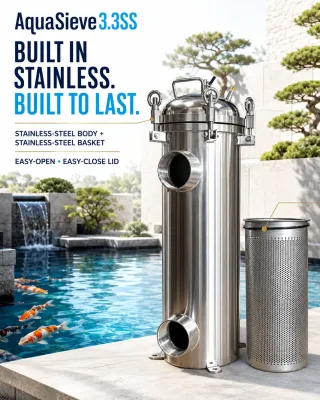
One of the smartest upgrades you can make to your pond filter is adding a sieve screen like AquaSieve2 Pond Strainer before your main filter unit. This simple screen catches large debris like leaves, fish waste, and sludge before they even reach your main filtration system for ponds. By doing this, your main filter stays cleaner for much longer. You will notice less clogging, less cleaning time, and better water clarity almost right away. This upgrade alone can cut your maintenance time in half. If your pond gets heavy leaf fall or you keep a high stock of koi, a sieve screen is a must-have first step.
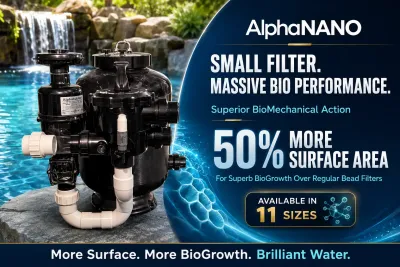
Old filter media loses its effectiveness over time. Replacing it with modern options like K1 moving bed media gives your beneficial bacteria a much bigger home to live in. More surface area means more bacteria. More bacteria means faster breakdown of ammonia and fish waste. This is one of the most impactful upgrades you can make to your koi pond filtration system. K1 media is excellent for moving bed reactors (MBBR). If your water quality has been slowly getting worse, this upgrade is often the answer.
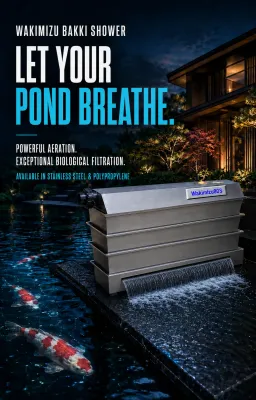
A trickle tower, also called a shower filter, passes water over a tall stack of bio-media in open air. This dramatically increases oxygen contact with the water and supercharges your biological filtration. It is one of the most oxygen-rich filtration methods available and works exceptionally well for heavily stocked koi ponds.
Surface debris is one of the biggest enemies of a healthy pond filtration system. Leaves, pollen, and dust that float on the surface will sink and rot if you do not remove them quickly. Our pond skimmer, Savio Compact Skimmerfilter, solves this problem by pulling debris off the surface before it becomes a problem. It also protects your pump from clogging, which extends the life of your entire large pond filtration system. Installing a skimmer is an easy upgrade with a big payoff. You will spend less time netting debris and more time enjoying your koi.
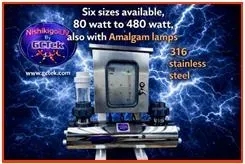
If your water looks green or murky even with a working pond filter, your UV clarifier may be the problem. UV bulbs lose their power after one season, even if they still light up. Replacing the bulb each season is a simple and affordable upgrade. If your pond is large or heavily stocked, upgrading to a more powerful UV unit can turn green, cloudy water crystal clear in just a few days. A correctly sized UV clarifier works hand in hand with your koi pond filtration systems to keep single-cell algae under control. We always recommend replacing your UV bulb at the start of every season.
A bog filter is one of the most natural and beautiful upgrades you can add to your water filtration system for a pond. You build a separate container filled with pea gravel and water-loving plants. The plants pull excess nutrients directly from the water, which starves algae and keeps the water clean. The gravel acts as a large biological filter full of beneficial bacteria. This system works continuously without any power, and it adds a beautiful planted area to your pond setup. It pairs perfectly with your existing pond filtration system for extra nutrient removal.
If you have a multi-bay pond filter, the first bay does the hardest work. It traps the most waste. Replacing the first bay media with purpose-made filter brushes makes cleaning much faster and easier. You simply lift the brushes out, rinse them off, and drop them back in. No mess, no heavy media to haul out. This upgrade reduces the amount of sludge that builds up in your biological chambers, which means your whole filtration system for ponds works better. It is a small change that saves a lot of time every single week.
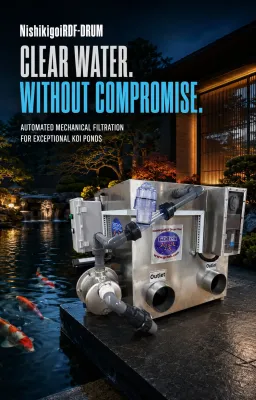
For koi owners who want the lowest possible maintenance, a rotary drum filter is the top upgrade. It automatically removes fine waste from the water using a rotating mesh screen that self-washes. You get cleaner water 24 hours a day without lifting a finger. Retrofitting a drum filter into a large pond filtration system is one of the best investments a serious koi keeper can make. The water quality you achieve with a drum filter is hard to match with any other method.
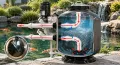
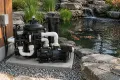
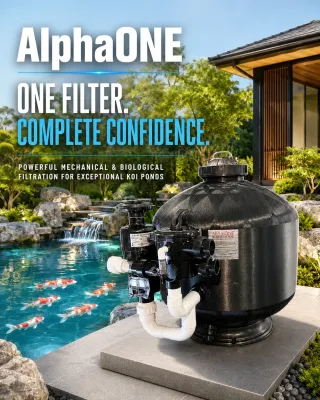
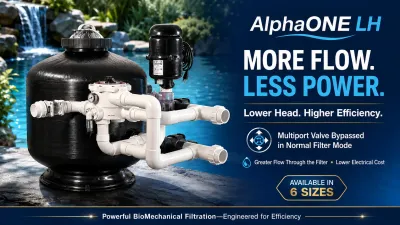
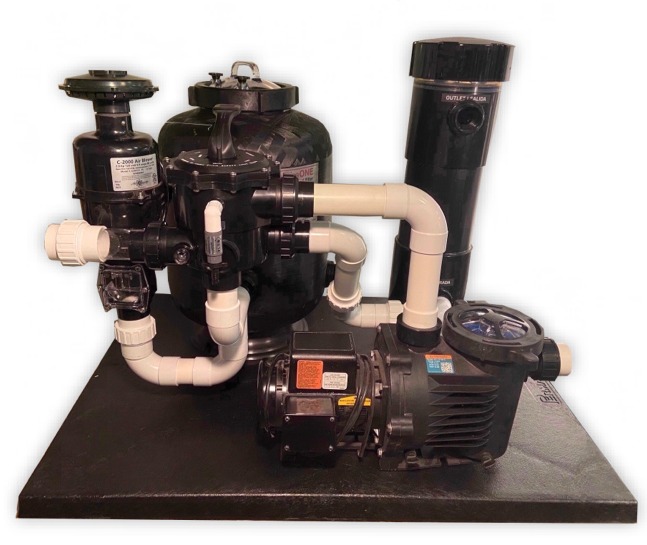
Cleaning a pressure pond filter can be a dirty and time-consuming job. Upgrading to a pressure filter with a multi-port valve solves this problem. You simply turn a dial to reverse the water flow and flush the sludge out automatically. No opening the filter, no reaching inside, no mess. This is a very simple upgrade that makes a big difference in how much you enjoy managing your koi pond filtration system. If you use a pressure-style filter, a back-flush valve is one of the easiest wins you can get this season.
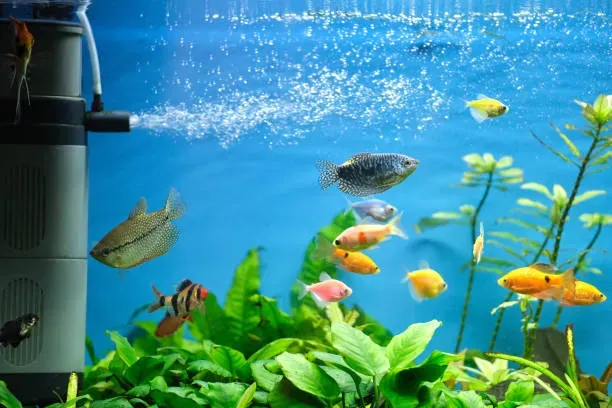
Beneficial bacteria need oxygen to do their job well. If the oxygen level inside your bio-media chamber is low, your bacteria slow down. Adding air stones or a dedicated air pump directly into the biological section of your pond filter dramatically improves bacteria performance. This is especially effective when used with K1 moving bed media. You do not need to buy a larger filter or upgrade your whole system. Just add more air, and your existing fish pond filtration system will work much harder and much more efficiently. It is one of the most cost-effective upgrades on this list.
Pro Tip: Always size your pond filter for a heavy fish load, not just your current stock. Aim for a pump that turns over your full pond volume every one to two hours. This gives you the water quality buffer you need as your koi grow.
As we mentioned, upgrading a koi pond filter does not always mean replacing everything. Many of the upgrades above cost very little and take just a few hours to install. The impact on your water quality, fish health, and enjoyment of your pond can be huge. We have seen pond owners completely transform their water with just one or two of these changes. Whether you add a sieve screen, swap your filter media, or boost aeration in your bio chamber, each upgrade pushes your pond filtration system closer to its full potential. Sometimes, one smart change is all it takes.
You deserve to enjoy your pond, not spend every weekend cleaning your pond filter. The upgrades we shared in this guide are proven, practical, and affordable. Pick one or two that match your current situation and start there. You will see the results quickly. If you are not sure which upgrade is right for your setup, or if you have questions about which Aquabead products work best for your koi pond filtration system, do not hesitate to reach out. Our team is here to help you get the best water quality possible, every season. Contact Aquabead today and let us help you find the right solution for your pond.
1. How often should I clean my pond filter?
We recommend checking your pond filter at least once every two weeks during peak season.
2. Can I upgrade my pond filter without replacing the whole system?
Yes, you can add components or swap media to greatly improve your existing filtration system.
3. What is the best filter media for a koi pond filtration system?
K1 moving bed media offer excellent surface area for your beneficial bacteria.
4. How do I know if my pond filter is too small for my fish load?
If your water stays cloudy or ammonia is high, your filtration system for ponds may be undersized.
5. Does Aquabead offer pond filters in different sizes?
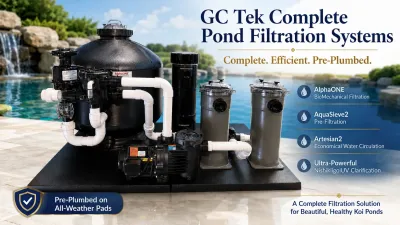
Yes, Aquabead equipment is available in multiple sizing models so you can find your perfect fit.
Adding a pre-filter sieve screen is simple, affordable, and makes a big difference quickly.
A UV clarifier kills single-cell algae, turning green or cloudy water beautifully clear for you.