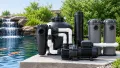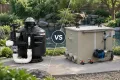
There is nothing quite like sitting by your water garden on a quiet evening, watching your colorful fish glide through the water. But that peace quickly vanishes when you notice the water turning cloudy, or worse, the water flow slowing down to a weak trickle. You head over to your equipment box only to find your pond filtration system packed with thick, green muck again. It feels like you just cleaned it a few days ago.
If you are constantly fighting a clogged filter, you are definitely not alone. It is one of the most common headaches that backyard hobbyists face. Keeping your water crystal clear doesn't have to be a full-time job once you understand what's happening and how we can help you fix it for good.
Keeping your water moving and clean is not just about making the backyard look nice. It is a matter of survival for your fish. In simple terms, a clogged filtration pond system stops doing its main job: removing waste and keeping the water safe.
When fish eat, they produce waste. This waste turns into invisible, toxic chemicals like ammonia. A healthy koi pond filtration system relies on beneficial bacteria living in the filter to break down those toxins. If the water cannot flow smoothly through the system because of heavy sludge, those helpful bacteria starve for oxygen. When that happens, the water quality drops fast, which can stress your fish or make them sick.
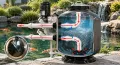
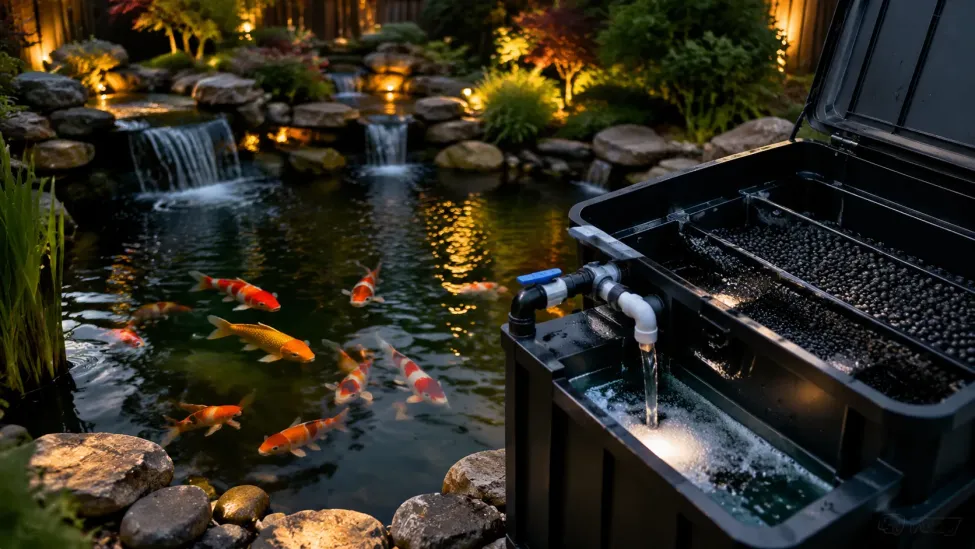
To fix the problem, we first need to understand how the whole system works. A pond filtration system cleans water through two main steps: mechanical filtration and biological filtration.
Here’s how it works in simple terms. The mechanical part works like a net. It captures solid waste, such as leaves, small sticks, uneaten food, and fish waste, before it moves further into the system.
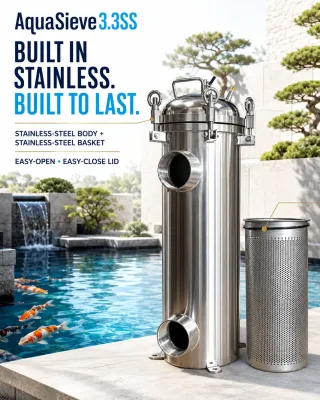
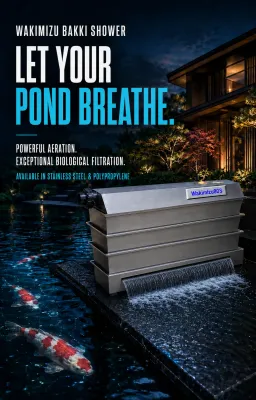
The biological part is different. It uses helpful bacteria that break down harmful waste and turn it into safer substances for the pond. This helps keep the water healthy for your fish. Most filters use foam or sponge pads for the mechanical stage. These pads are cheap and effective, but they can get blocked easily.
When too much dirt builds up, the pads become clogged. This slows down water flow and can even stop it completely. When that happens, water cannot reach the biological stage properly, and the whole system becomes less effective.
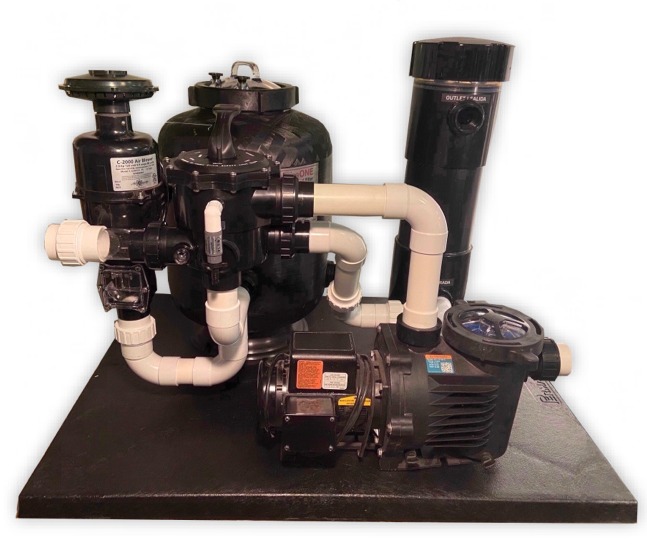
Fixing a stubborn clog often comes down to looking at your physical hardware setup and adjusting how it handles the daily workload.
The key reason is that many backyard setups are simply too small for the number of fish they hold. If a manufacturer says a filter handles 2,000 gallons, that usually applies to a clean water garden with no fish. If you have heavy-eating fish like koi, you actually need a large pond filtration system that is rated for double your actual water volume.
It is very important where you place your filter and pump. Your pump will absorb all of the heavy settling sludge and force it directly into your main system if it is positioned directly on the floor without a protective cage. We always recommend raising the pump slightly off the floor on a flat brick or pairing it with a surface skimmer to catch floating leaves before they sink and turn into mush.
Run your filtration system for ponds 24 hours a day, 7 days a week. Some owners try to save electricity by turning the system off at night. This is a mistake. When the water stops moving, the debris settles inside the plumbing, and the vital bacteria die off, leading to a massive buildup of slime the moment you turn it back on.
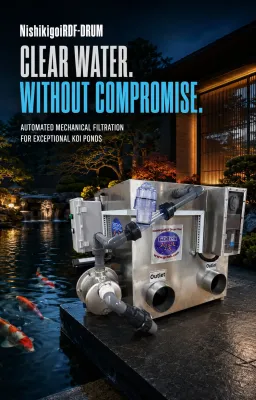
If you are tired of getting your hands dirty scrubbing nasty foam pads every week, we design a completely different and more effective solution. Traditional filters rely on mesh mats that trap dirt by physically blocking it until the whole system chokes.
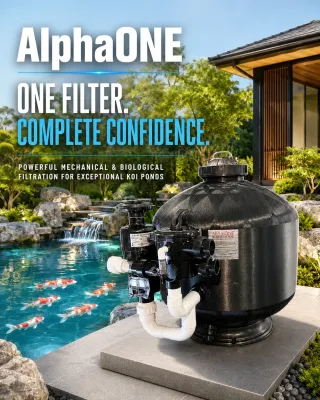
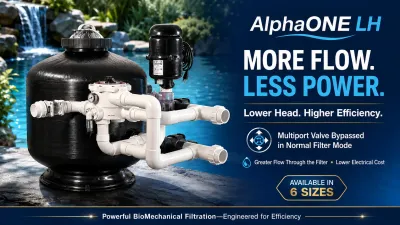
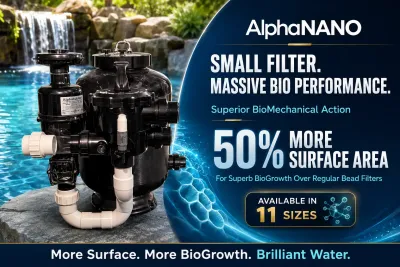
At Aqua Bead, our advanced systems replace those troublesome pads with thousands of specially designed, solid beads. Instead of squeezing tightly together and blocking the water flow, our beads create a massive surface area that traps heavy debris while allowing water to pass through freely.
The best part? You never have to open the tank or touch the sludge to clean it. Our systems feature an internal agitator that breaks up the dirt inside, allowing you to backwash the waste out through a simple valve in just a few minutes.
Beyond upgrading your equipment, a few simple maintenance habits will drastically reduce how often you need to service your system.
A major trap that intermediate owners fall into is over-cleaning the biological media. It is tempting to scrub everything until it looks brand new, but that slimy coating on your bio-media is actually the engine of your water filtration system for pond health. Leave that layer alone and let the beneficial bacteria do their work.
Another mistake is ignoring the changing seasons. In the spring and autumn, leaves and falling plant matter skyrocket. If you don't use a simple net to scoop out physical leaves weekly during these times, your pond filtration systems will stay overwhelmed no matter how advanced they are.
Lastly, check the pump intake monthly. Remove any debris, algae, or leaves that may be obstructing water flow and reducing performance. Maintaining the health and ease of care of your pond can be greatly enhanced by these minor maintenance actions.
Dealing with a muddy, sluggish filter can certainly take the fun out of owning a water garden. But once you match the size of your equipment to your fish load, place your pumps carefully, and choose a system designed to handle real debris, maintenance becomes a breeze.
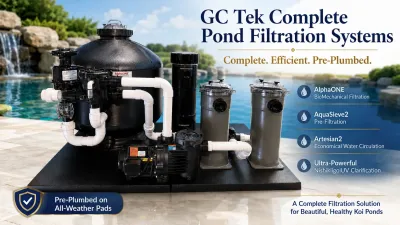
If you’re looking for reliable solutions to replace your high-maintenance filters, explore AquaBead’s high-quality equipment. Our advanced systems are engineered right here to keep your pond stable, healthy, and incredibly easy to manage year-round, with minimal cleanup.
1. What causes my filter to clog more quickly in the summer?
In warm water and long, sunny days, algae grow rapidly. Conventional mechanical pads are rapidly overwhelmed by increased fish waste from summer feeding and this extra plant matter.
2. How often should I deep clean my AquaBead bio-media?
Almost never. Because our unique design allows you to backwash the heavy mud out using the external valve, the internal beads stay perfectly balanced without ever needing manual scrubbing.
3. Can a clogged filter kill my koi fish?
Yes. When the water flow stops or slows down dramatically, oxygen levels drop, and toxic ammonia can quickly build up to dangerous levels in the water.
4. Why is my filter filling up with green slime?
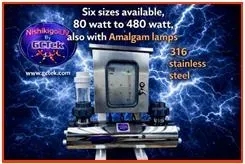
This is usually caused by single-celled green algae. Installing a UV clarifier before your mechanical filter will clump these tiny particles together so your system can trap them easily.
5. Should I change m y filter pads every year?
With traditional systems, yes, because foam degrades over time. However, our specialized solid bead media lasts for years without needing replacement, saving you time and money.