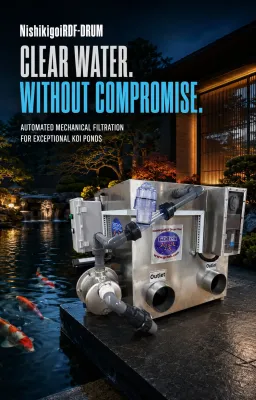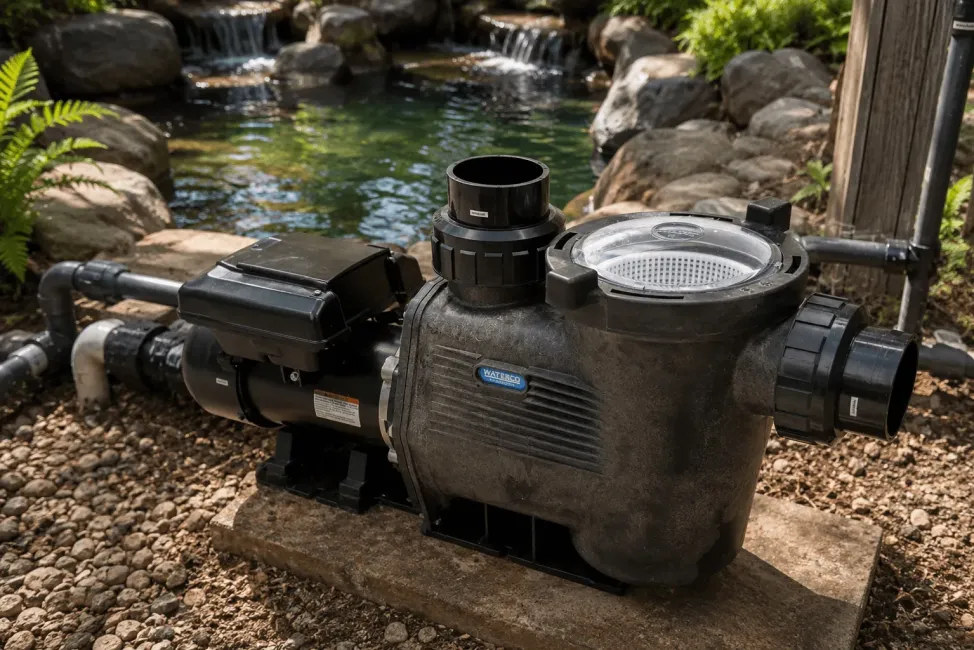
Clean-looking water alone is not enough for a healthy koi pond. that appears clean. Fresh, flowing water is essential for the health of your fish. A pond pump helps remove waste, adds oxygen, and maintains the flow of water through the filter. Water quality declines, dirt accumulates, and oxygen levels fall when there is inadequate circulation. Choosing the right pump is not about buying the biggest or cheapest one. The best pump depends on your pond size, the number of koi, and your filtration system.
Koi produce a lot of waste every day. If the water does not move properly, waste settles at the bottom and puts extra pressure on the filter. A quality pond pump is beneficial:
Good water movement keeps your pond clean and gives your koi a healthier place to live. If your pump runs all year, electricity costs also matter. ArtesianPro Low RPM Pumps are made to use less power while providing steady water flow, making them a smart choice for long-term use.
Flow rate tells you how much water a pump moves every hour. A simple rule is that the pump should move the pond's full water volume about once every hour. Before buying a pump, think about:
Large ponds need stronger pumps. ArtesianPro High Flow Pumps provide enough water movement for bigger ponds and larger filtration systems.
Many people forget about head height. This is the distance water travels upward to reach a waterfall, stream, or raised filter. The higher the water travels, the lower the pump's flow becomes. If head height is ignored, your pump may not perform as expected. Always choose a pump that can handle your pond's total head height for steady water flow.
Most pond pumps run 24 hours a day, so energy use can affect your electricity bill. Modern external pumps often use less power than older submersible pumps. They also create less heat, helping keep pond water at a stable temperature during warm weather. An energy-efficient pump saves money while keeping your pond healthy.
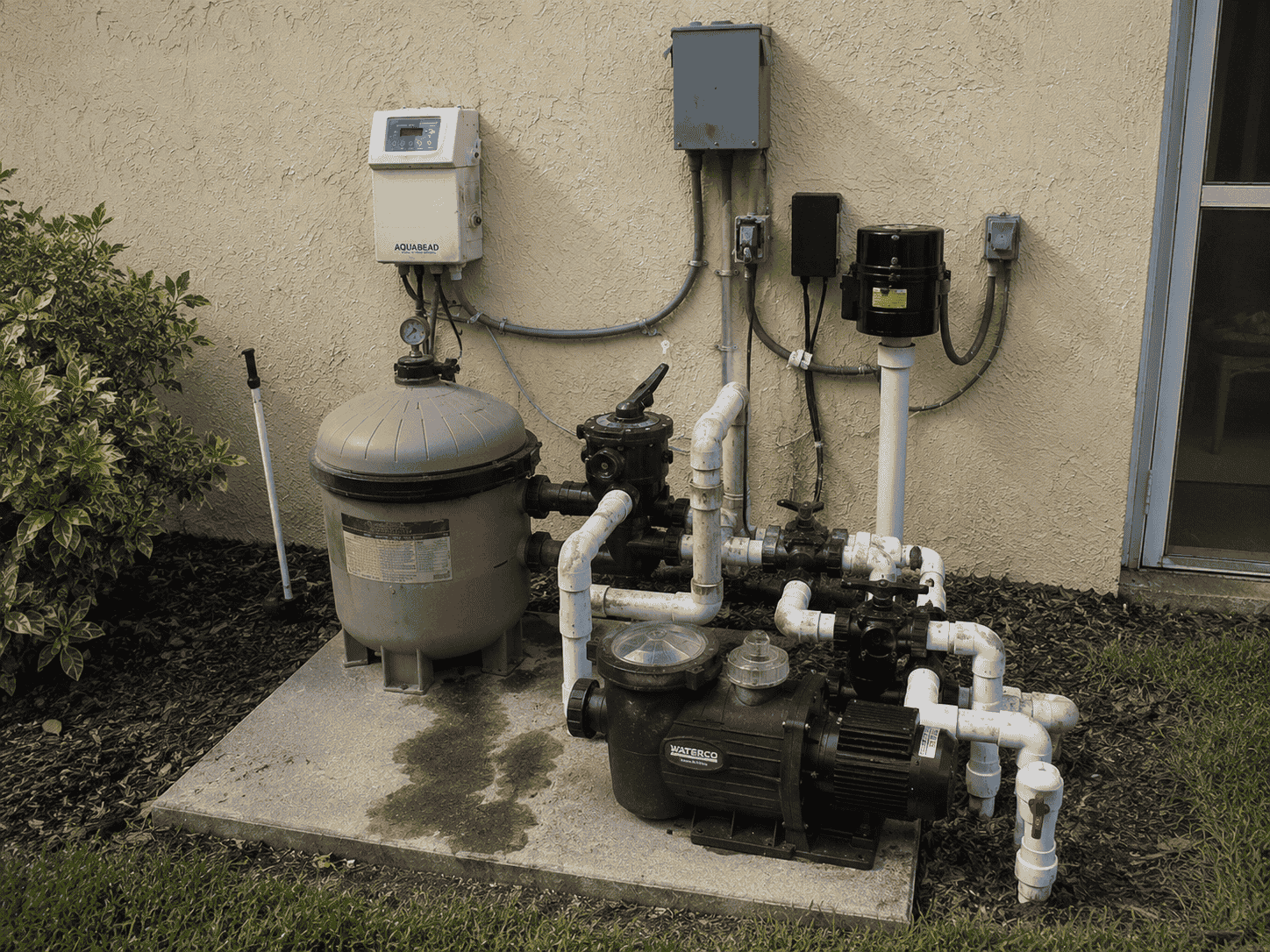
A koi pond pump should run day and night. Unlike small fountain pumps, it needs to work without stopping. Performance Pro Cascade Pumps are built for continuous use. They provide reliable water circulation all year and help prevent algae and waste from collecting in still areas.
Purchasing a pond pump is a long-term commitment. A high-quality pump typically requires fewer repairs and lasts longer. Look for characteristics such as the following:
A better-built pump may cost more at first, but it often saves money over time.
Your pond does not always need the same water flow. Fish are less active in cold weather, while summer usually requires stronger circulation. A WunderMax Variable Speed Pump lets you increase or reduce water flow whenever needed. This helps improve efficiency and can lower electricity costs.
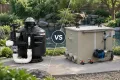
Both types work well, but they suit different ponds.
|
Feature |
External Pump |
Submersible Pump |
|
Energy Use |
Lower |
Higher |
|
Maintenance |
Easier |
More frequent |
|
Lifespan |
Longer |
Shorter |
|
Best For |
Medium and large ponds |
Small ponds |
|
Installation |
Outside the pond |
Inside the pond |
External pumps are usually the better choice for larger koi ponds because they last longer and are easier to maintain.
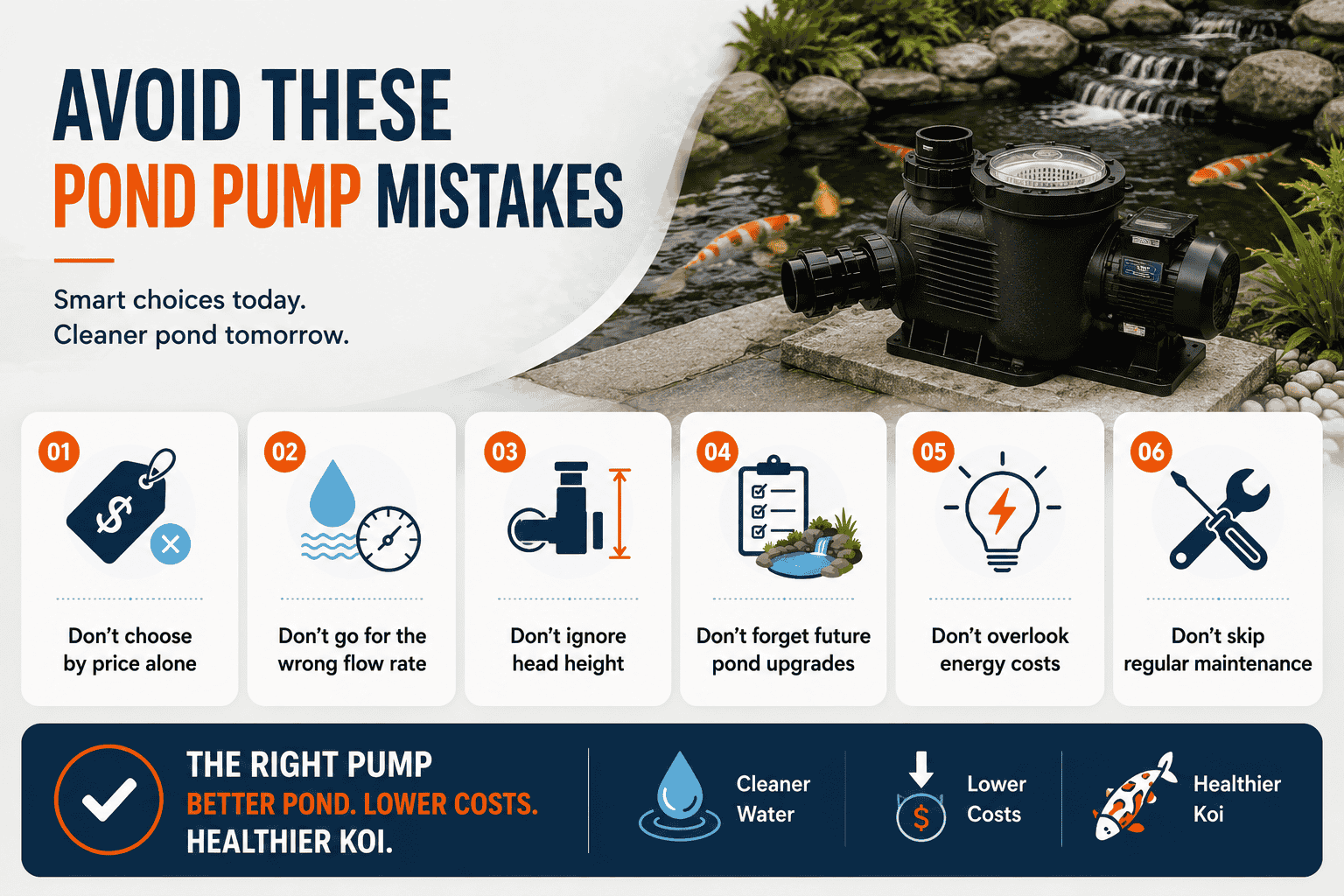
Many pond owners make simple mistakes when buying a pump. Stay away from these problems:
Selecting the appropriate pump carefully can save costs and avoid issues later on.
Cleaning your pump on a regular basis prolongs its life. Included in basic maintenance are:
A clean pump works better and keeps pond water healthier.
Your koi pond will stay clean, healthy, and easy to maintain with the right pond pump. Instead of choosing a pump based only on price, look at the flow rate, energy efficiency, durability, and ease of maintenance. If you want lower electricity costs, ArtesianPro Low RPM Pumps are a good option. For larger ponds, ArtesianPro High Flow Pumps provide stronger circulation. If you want more control over water movement, the WunderMax Variable Speed Pump lets you adjust the flow throughout the year.
Your koi will flourish for years with a reliable pond pump, which also lowers maintenance costs and enhances water quality. Visit Aquabead to find dependable pond pumps and filtration equipment for ponds of all sizes, and select the option that best suits your pond's requirements.
1. What size pond pump do I need?
Select a pump that can transfer the entire volume of water in your pond approximately once every hour.
2. Why is water circulation important?
It adds oxygen, moves waste to the filter, and prevents dirty, still water.
3. Are external pumps better?
For medium and large koi ponds, yes. They use less energy, last longer, and are easier to maintain.
4. Which pump helps save electricity?
ArtesianPro Low RPM Pumps are designed to provide good water flow while using less power.
5. Why choose a variable-speed pump?
A WunderMax Variable Speed Pump lets you adjust water flow for different seasons, helping save energy.
6. How often should I clean my pond pump?
Check it regularly and clean it whenever dirt or debris starts to reduce water flow.