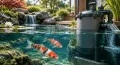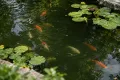
A koi pond can look clear one week and develop a noticeable green tint soon afterward. In more severe cases, the water becomes so green and cloudy that it becomes difficult to see the koi below the surface. This condition is commonly known as green water, and it is usually associated with a rapid increase in microscopic algae suspended throughout the water. Algae are a natural part of pond ecosystems, so their presence does not automatically mean something is wrong. A thin layer of algae on rocks, pond walls, and other submerged surfaces can be part of a mature pond environment and may support microorganisms and nutrient cycling. The problem begins when algae multiply faster than the pond system can keep them under control. Pasted text
For koi keepers, the goal should therefore not be to eliminate every trace of algae. A better approach is to understand why green water develops, identify the conditions encouraging it, and correct those conditions while maintaining stable water quality for the fish.
Green water is usually caused by large populations of microscopic, free-floating algae in the water column. Unlike string algae, which forms visible strands or mats on rocks, waterfalls, liners, and other surfaces, green water algae remain suspended in the pond. When their population increases rapidly, millions of microscopic algae cells can give the water a green, cloudy, or "pea soup" appearance. Visibility may fall enough that koi disappear from view even when they are only a short distance below the surface. This distinction matters because different algae problems require different management approaches. Physically removing long strands of attached algae, for example, does little to remove microscopic algae suspended throughout the water. It is also important to distinguish ordinary green algae from blue-green algae, or cyanobacteria. Cyanobacteria are bacteria rather than true algae, and some species are capable of producing toxins.
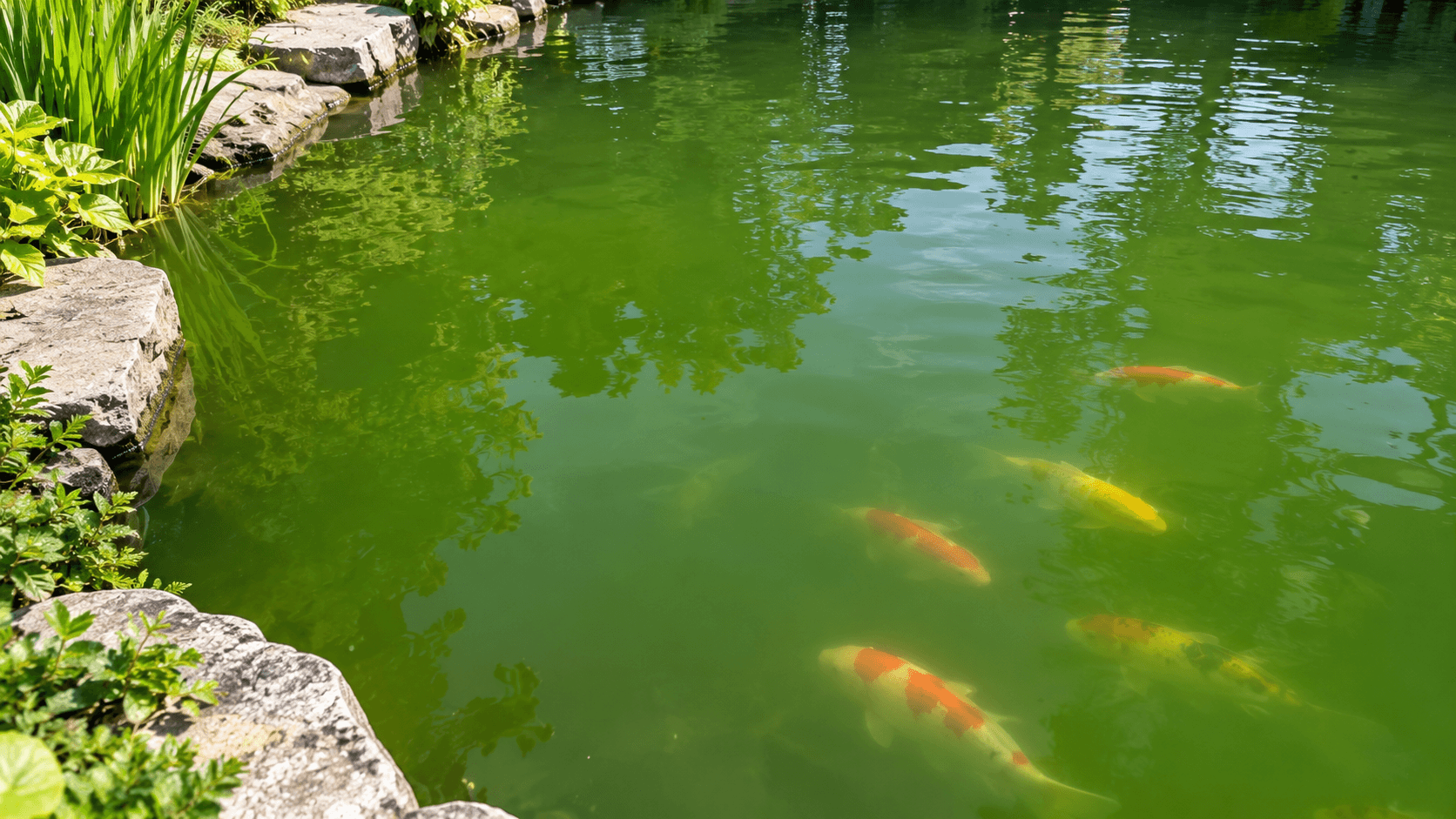
Green water usually does not have one isolated cause. Algae need favorable conditions to reproduce, and a bloom often develops when several of those conditions occur together. Sunlight, available nutrients, organic waste, fish stocking levels, feeding habits, filtration, water circulation, and seasonal conditions can all influence algae growth. Understanding these factors is more useful than simply treating the visible green water.
Nutrients are one of the main resources algae need to grow. A koi pond constantly receives organic material. Koi produce waste, some food may remain uneaten, leaves fall into the pond, plants die back, and other organic material enters the system. As organic matter is processed and decomposes, nutrients become available within the pond ecosystem. Nitrate and phosphate are particularly relevant to algae growth. A properly functioning nitrogen cycle converts ammonia through intermediate forms and ultimately produces nitrate. Nitrate is less immediately toxic to koi than ammonia or nitrite, but it is still a nutrient that algae can use. This is why an established biological filter alone does not guarantee algae-free water. Biological filtration performs an essential water-quality function, but the resulting nutrients still have to be managed within the overall pond system.
Algae use light for photosynthesis. A pond receiving prolonged direct sunlight therefore has one of the basic ingredients required for rapid algae growth. Sunlight alone does not necessarily create a severe bloom. Problems are more likely when strong sunlight occurs alongside abundant nutrients. This explains why a pond can remain relatively clear under one set of conditions and suddenly become green when weather, sunlight exposure, nutrient availability, or other environmental conditions change. Partial shading from appropriate pond plants or landscape features can help reduce the amount of direct sunlight reaching the water. The supplied pond guidance likewise identifies direct sunlight, particularly in warmer conditions, as a major contributor to rapid algae growth. Pasted text
Feeding practices have a direct relationship with pond waste. When koi receive more food than they consume, uneaten food remains in the system and begins to break down. Even food that is eaten eventually contributes to the pond's waste load through fish metabolism and excretion. This means feeding more heavily can increase the amount of waste the filtration system has to process. Overfeeding can therefore create a cycle in which additional food leads to more organic waste and available nutrients, creating better conditions for algae. Feed according to the fish's needs and current water conditions rather than automatically adding large quantities of food. Uneaten food should not be allowed to accumulate.
A pond containing many large koi can have substantially different filtration requirements from a pond of the same volume containing only a few small fish. More fish typically require more food, which results in greater fish waste, increased filtration demand, and more nutrients for the pond system to manage. This is why pond volume alone should not determine filtration requirements; the size and number of koi, along with their feeding levels, also need to be considered. As koi grow, the biological load on the pond increases, meaning a filtration system that worked effectively when the fish were young may eventually struggle to handle the additional waste produced by larger, mature koi.
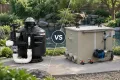
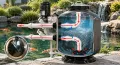
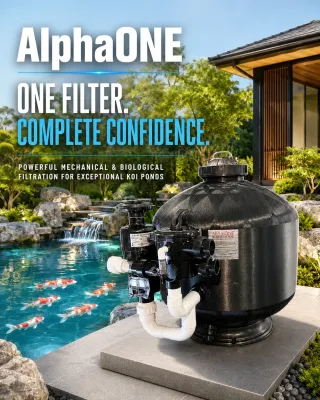
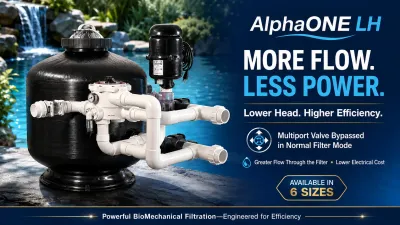
Filtration is one of the most important parts of long-term algae management because it helps control the waste and nutrients entering the pond environment. Mechanical filtration removes suspended solids and organic debris before they continue breaking down. Biological filtration provides surface area for beneficial bacteria involved in processing nitrogenous waste. If mechanical filtration is inadequate, organic material can remain in the system and continue decomposing. If biological filtration is insufficient for the pond's fish load, waste processing may also be compromised. For heavily stocked koi ponds, choosing the best koi pond filter should therefore involve more than simply matching a filter to the pond's gallon capacity.
Fish load, feeding, flow rate, waste production, filter media, and maintenance requirements should also be considered. The supplied guidance similarly emphasizes that mechanical filtration, biological filtration, circulation, and proper filter maintenance all contribute to long-term algae management. Pasted text
A filter can only process water that reaches it. Poor circulation may create areas where debris settles and water movement is limited. Organic material accumulating in these areas can gradually break down and contribute additional nutrients to the system. Proper circulation helps move suspended waste toward drains, skimmers, pre-filters, and the primary filtration system.
For this reason, pumps, bottom drains, skimmers, plumbing, and filtration should be considered parts of one circulation system rather than completely independent pieces of equipment. A well-designed pond moves water through the filtration system consistently while minimizing areas where waste can collect.
Leaves may seem harmless when only a few enter the pond, but accumulated organic debris can become an ongoing nutrient source. Dead plant material, uneaten food, sludge, and other organic matter eventually decompose. If this material remains on the pond floor, inside a skimmer, or trapped elsewhere in the system, it can contribute to the nutrient load. Routine removal is therefore an important preventive measure.
Skimmers can collect floating debris before it sinks, while properly positioned bottom drains can help move settling waste toward the filtration system. Manual netting or pond vacuuming may also be useful depending on pond design. Removing organic material early is generally easier than dealing with the nutrients released after it decomposes.
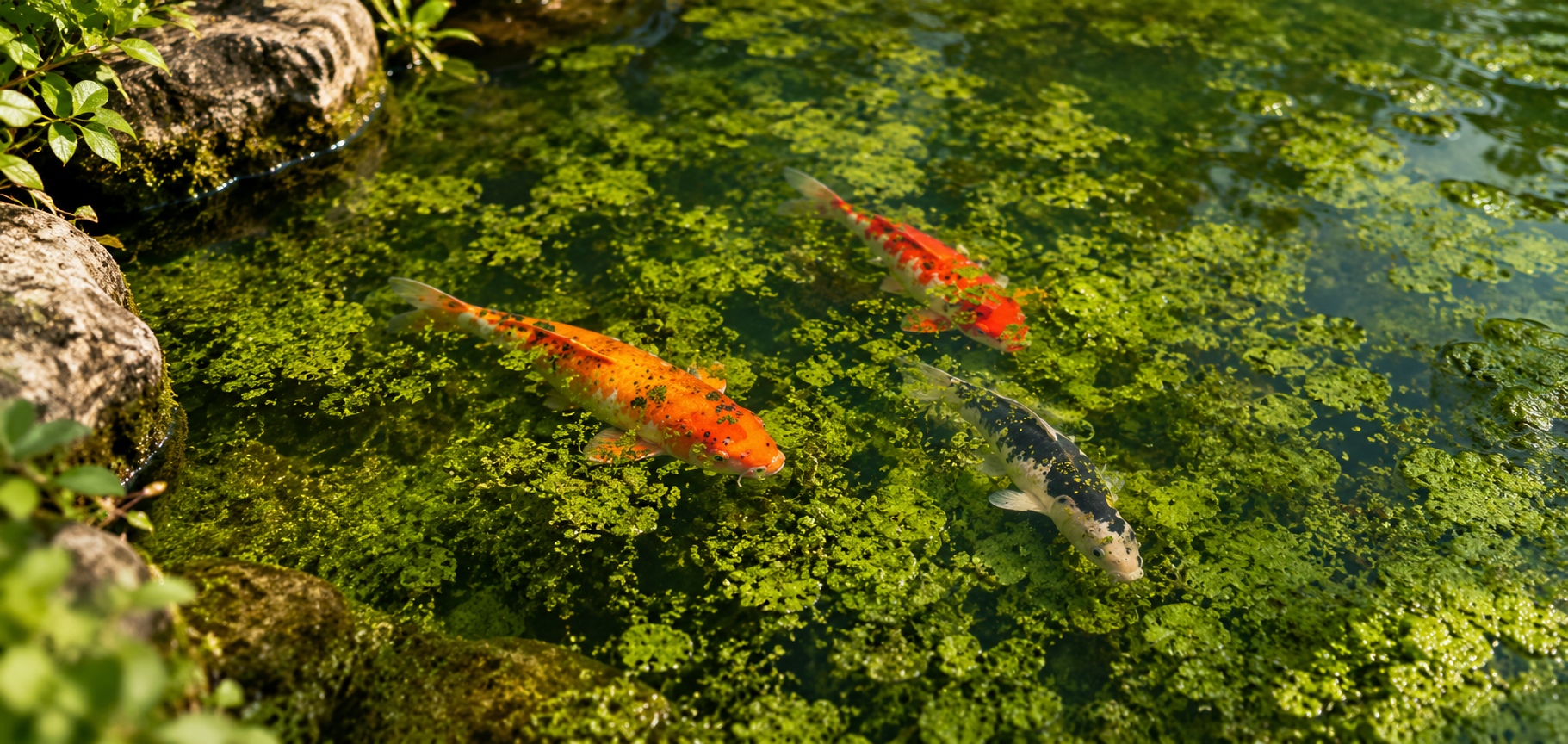
Green water is not automatically an emergency. Algae naturally occur in ponds, and moderate algae growth can be part of a functioning aquatic ecosystem. Some surface algae and biofilm can even provide habitat for microorganisms and grazing opportunities for koi. Heavy algae growth, however, deserves attention because algae interact with oxygen, carbon dioxide, nutrients, and pH. During daylight, algae photosynthesize. At night, photosynthesis stops while respiration continues. In a pond with a heavy algae load, these day-night biological processes can contribute to changing oxygen and carbon dioxide conditions.
This is especially important in ponds that already have high fish loads or inadequate aeration. Rather than judging pond health by color alone, test the water and observe the fish. Parameters such as ammonia, nitrite, nitrate, pH, and dissolved oxygen provide much more useful information about actual pond conditions. The source material likewise recommends monitoring these parameters when managing algae and koi health.
Koi gasping at the surface, unusual lethargy, sudden behavioral changes, or abnormal water-test results deserve prompt attention.
Long-term green-water control is usually more effective when the cause is addressed instead of repeatedly treating the visible algae. That often means combining several approaches.
Before changing equipment or adding treatments, test the pond. At minimum, understanding ammonia, nitrite, nitrate, and pH can provide important clues about how the pond is functioning. Dissolved oxygen is also valuable, particularly when fish loads or algae levels are high. Testing helps separate an appearance problem from a more significant water-quality problem. For example, two ponds may both look green while having very different ammonia, nitrite, nitrate, pH, oxygen, fish load, and filtration conditions. Their corrective actions should not automatically be identical.
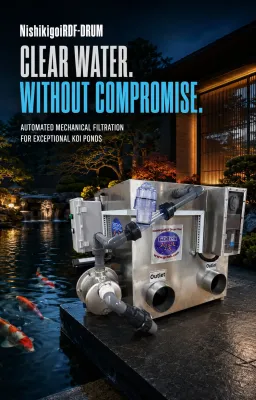
Mechanical filtration helps physically remove waste from the pond before it can continue breaking down. The system should be capable of handling the amount and type of waste produced by the pond. Filters, pre-filters, sieves, and pond rotary drum filters can perform different stages or levels of solids removal depending on how the overall system is designed. Fine suspended material can require finer mechanical filtration than large leaves or fish waste. When algae cells die, removing that material also becomes important. Dead algae that remain in the system become organic material that must eventually be processed or removed.
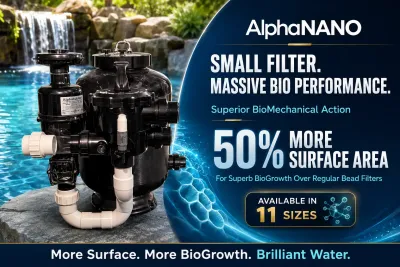
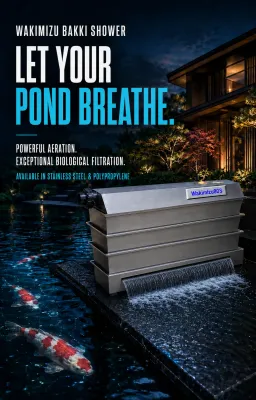
Mechanical filtration alone does not address dissolved nitrogenous waste. Biological filtration provides habitat for beneficial bacteria involved in the nitrogen cycle. A mature biofilter needs suitable media, water flow, oxygen, and time for microbial communities to establish and function. Avoid unnecessarily sterilizing biological filter media during routine cleaning. Overcleaning can disturb the bacterial population that the system depends on. The goal is to remove accumulated waste while preserving the biological function of the filter.
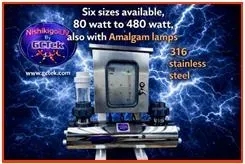
A properly sized and installed ultraviolet unit can be useful when the primary problem is free-floating green-water algae. As pond water passes through the UV unit, suspended algae cells are exposed to ultraviolet radiation. The effectiveness of the system depends on factors such as UV output, water flow, installation, lamp condition, and the amount of water actually passing through the unit. UV should not be treated as a substitute for proper filtration. Killing or disrupting suspended algae does not remove the underlying nutrients from the pond. The resulting material still needs to be captured by the filtration system or otherwise processed. This is why UV treatment and mechanical filtration often complement each other.
If algae have an abundant food supply, green water is likely to return even after the pond temporarily becomes clear. Reducing nutrient input is therefore one of the most important long-term strategies. Avoid excessive feeding, remove uneaten food, clear leaves and plant debris, prevent sludge from accumulating, maintain filters, and periodically evaluate whether the fish population has outgrown the existing filtration capacity.
Partial water changes may also form part of a water-management routine when performed appropriately for the pond. The supplied material notes that regular partial changes can help dilute excess nutrients, while very large sudden changes may disturb pond stability or stress fish. Pasted text
Reducing excessive sunlight can make conditions less favorable for rapid algae growth. Aquatic plants may provide some surface shade while also competing for nutrients. Landscaping, pergolas, or other appropriate shading methods can also reduce direct exposure. The objective is not necessarily to put the entire pond in darkness. It is to prevent excessive light exposure from combining with high nutrient availability to create ideal conditions for algae blooms.
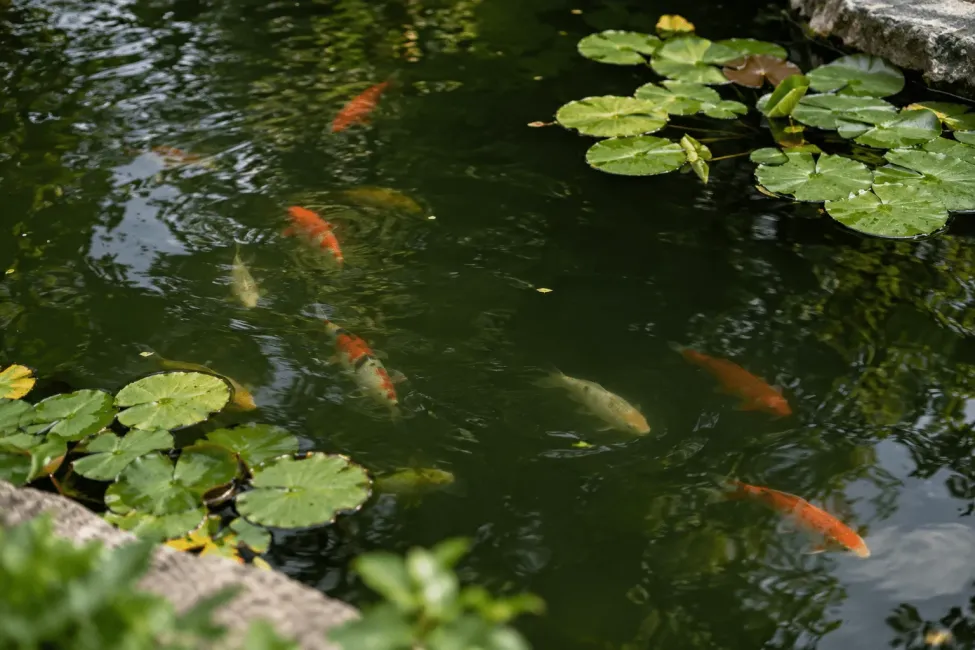
Plants can contribute to nutrient management because they use nutrients such as nitrates and phosphates for growth. By taking up some of these nutrients, aquatic plants can reduce the amount available to support excessive algae growth. Floating plants can also shade portions of the pond surface, limiting sunlight penetration and creating less favorable conditions for rapid green water algae growth. Different types of plants can play different roles in the pond. Floating and submerged plants can contribute to nutrient competition, while plants with broad surface leaves can provide additional shade. However, plants should be considered one component of pond management rather than a replacement for proper mechanical and biological filtration.
Koi can also complicate planted-pond designs because they may disturb, uproot, or eat certain plants. Plant choice, quantity, and placement therefore need to suit the particular pond and its fish population. Some pond owners may need to protect plant roots or keep plants in areas where koi cannot easily disturb them. For long-term green water management, plants work best as part of a broader approach. A balanced system may combine appropriate planting with effective filtration, good water circulation, controlled feeding, debris removal, partial shading, and routine maintenance. Addressing several contributing factors is generally more effective than relying on plants alone to control algae.
Trying to clear green water without identifying its cause can lead to short-term improvements followed by another algae bloom. Pond owners should avoid practices that address only the appearance of the water while leaving the underlying nutrient, filtration, or maintenance issues unresolved.
Repeatedly applying algae treatments may temporarily reduce visible algae, but it does not necessarily address the nutrients that allowed the algae to grow. When large amounts of algae die, the remaining organic material also needs to be removed or processed by the filtration system.
Biological filtration relies on beneficial microbial communities that help process waste. Excessive cleaning, particularly of biological filter media, can disturb these bacteria and affect the stability of the filtration system. Filter maintenance should remove accumulated waste without unnecessarily disrupting biological activity. Pasted text
Giving koi more food than they can consume adds unnecessary nutrients to the pond. Uneaten food decomposes, while heavier feeding also results in greater fish waste. Both can increase the nutrient load available to algae.
Leaves, dead plants, sludge, and other organic material should not be allowed to build up on the pond floor or inside filtration components. As this material decomposes, it can release additional nutrients into the water and contribute to recurring algae growth. Pasted text
Clear-looking water is not necessarily healthy water. Regular testing for parameters such as ammonia, nitrite, nitrate, and pH can provide a better picture of pond conditions than appearance alone. Testing can also help identify problems before they become more difficult to manage. Pasted text
Filtration requirements can change as koi grow or more fish are added to the pond. A system that worked well for a few young koi may eventually struggle with the waste produced by a larger fish population. Pond owners should periodically consider whether their filtration capacity still matches their fish load, feeding levels, and overall pond conditions. Avoiding these mistakes helps address the conditions behind green water rather than simply treating its appearance. Consistent filtration, controlled feeding, debris removal, water testing, and appropriate maintenance provide a stronger foundation for long-term algae management.
Prevention requires consistency. A pond may become visually clear after installing UV equipment or improving mechanical filtration, but lasting results depend on maintaining the overall system. Keep feeding appropriate for the fish population. Remove accumulated debris. Maintain adequate mechanical and biological filtration. Monitor circulation. Clean equipment as needed without unnecessarily disrupting beneficial bacteria. Test water regularly, and reconsider filtration capacity as koi grow. Pay particular attention to changes. A pond that has remained stable for years can develop algae problems after adding more koi, increasing feeding, changing pumps, losing shade, allowing filters to become dirty, or experiencing unusual weather. Recurring green water is often a useful signal that something within the pond system deserves closer attention.
There is no universal timeframe. How quickly water improves depends on the severity of the algae bloom, pond volume, filtration, fish load, sunlight, nutrient levels, circulation, UV performance, maintenance, and the corrective measures being used. A pond with a properly functioning UV system and suitable mechanical filtration may respond differently from one where the underlying problem is excessive nutrients and inadequate filtration. Natural management also takes time. The supplied pond-care material notes that rebalancing may take several weeks and can vary according to pond size, fish population, filtration quality, and seasonal conditions. Pasted text Avoid making multiple drastic changes simply because the pond does not become clear immediately. Stable improvements are generally more valuable than temporarily achieving crystal-clear water while disrupting the pond ecosystem.
Green water is best treated as a pond-management issue rather than simply a cosmetic problem. Clearing the water may improve the appearance of a koi pond, but lasting results depend on controlling the conditions that allow suspended algae to multiply. This means paying attention to nutrient levels, fish load, feeding habits, organic debris, filtration, circulation, sunlight exposure, and routine maintenance. Effective filtration is an important part of this long-term approach. Mechanical filtration helps remove fish waste, uneaten food, and other suspended solids before they break down further, while biological filtration supports beneficial bacteria that process nitrogenous waste. Good water circulation helps move waste toward the filtration system and prevents areas where debris can easily settle and accumulate. Together, these processes help reduce the conditions that can contribute to recurring algae blooms.
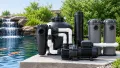
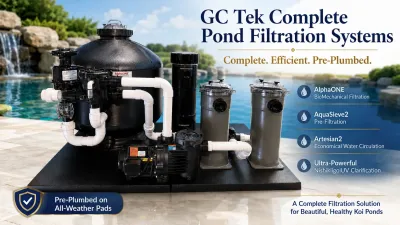
UV equipment can provide additional control when free-floating algae are responsible for green water, but it works best as part of a complete pond system. Removing or disrupting algae cells does not eliminate the nutrients already present in the pond, so filtration and ongoing nutrient management remain important. Regular debris removal, appropriate feeding, water testing, and filter maintenance can help address the causes of green water rather than only its visible symptoms. For AquaBead pond owners, it is useful to think of the pond as one connected system rather than relying on a single piece of equipment. Pond pumps, pre-filters, bead filters, UV units, bottom drains, sieves, and RDFs can each perform different functions within water circulation and filtration. When these components are properly selected and work together, they can provide a more effective foundation for maintaining clearer water and stable pond conditions over time.
Green water is one of the most common issues koi pond owners encounter, but algae themselves are not always the enemy. Moderate algae and biofilm are natural parts of an established pond. Problems arise when free-floating algae multiply excessively and pond conditions move out of balance. Instead of focusing only on killing algae, look for the conditions supporting the bloom. Excess nutrients, overfeeding, high fish loads, organic debris, strong sunlight, inadequate filtration, and poor circulation can all contribute. Effective control therefore starts with water testing and good pond management. Remove physical waste, maintain biological filtration, improve circulation where needed, manage feeding, limit excessive nutrient buildup, and use properly sized UV equipment when free-floating algae are the primary concern.
AquaBead filtration equipment can form part of this broader water-management approach by supporting mechanical and biological filtration for koi ponds. The right system should ultimately be selected according to pond volume, fish load, flow requirements, waste production, and the way the entire pond circulation system is designed. The goal is not simply to turn green water clear for a few days. It is to create a stable pond environment in which filtration, water quality, fish load, and routine maintenance remain in balance over the long term.