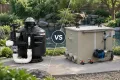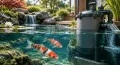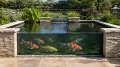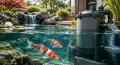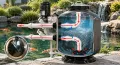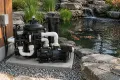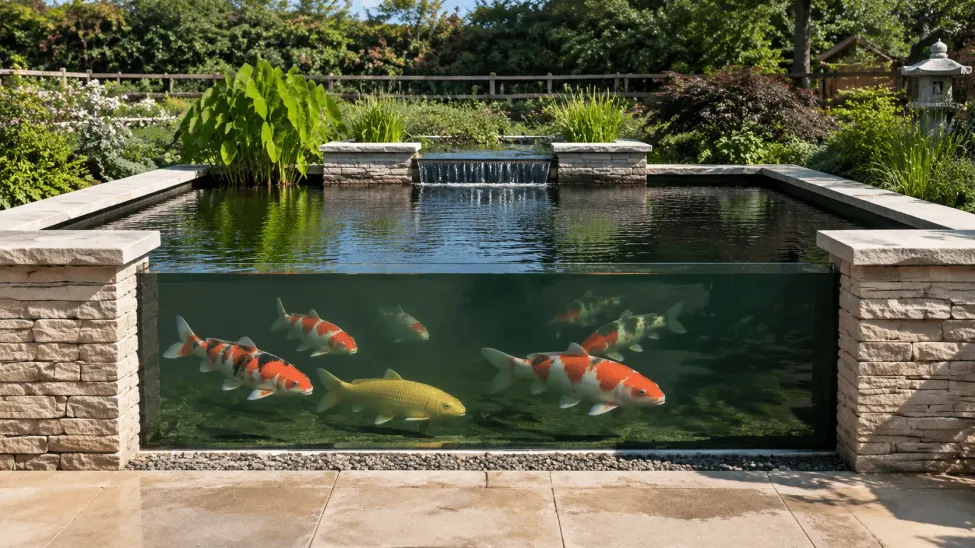
Maintaining a healthy koi pond requires more than simply installing a filter and circulating water. Koi produce a significant amount of waste compared to many other pond fish, and their environment depends on a carefully balanced filtration system that can continuously remove solids, process dissolved waste, and maintain clear water conditions. A successful koi pond filtration system is not based on one single piece of equipment but on multiple filtration stages working together to support water quality. A complete filtration approach combines three important processes: mechanical filtration, biological filtration, and UV clarification. Each stage performs a different function. Mechanical filtration focuses on removing physical debris before it breaks down, biological filtration supports beneficial bacteria that process fish waste, and UV filtration helps manage free-floating algae that can affect water clarity.
Understanding how these filtration stages work together helps pond owners, builders, and installers design more effective systems that support healthier koi, easier maintenance, and long-term pond stability.
A professional koi pond filtration system is designed around the idea that different water-quality challenges require different solutions. Fish waste, organic debris, dissolved compounds, and algae do not behave the same way, which means a single filtration method cannot effectively manage every issue. Mechanical filtration, biological filtration, and UV clarification each address a specific part of the water-treatment process. When these stages are properly combined, the filtration system becomes more efficient because each component performs the task it was designed for rather than forcing one filter to handle every responsibility.
This approach is especially important in koi ponds because water quality directly affects fish health, growth, and overall pond stability. A well-designed system does not simply make water look clean; it creates an environment where waste is controlled, beneficial bacteria can thrive, and water conditions remain more consistent.
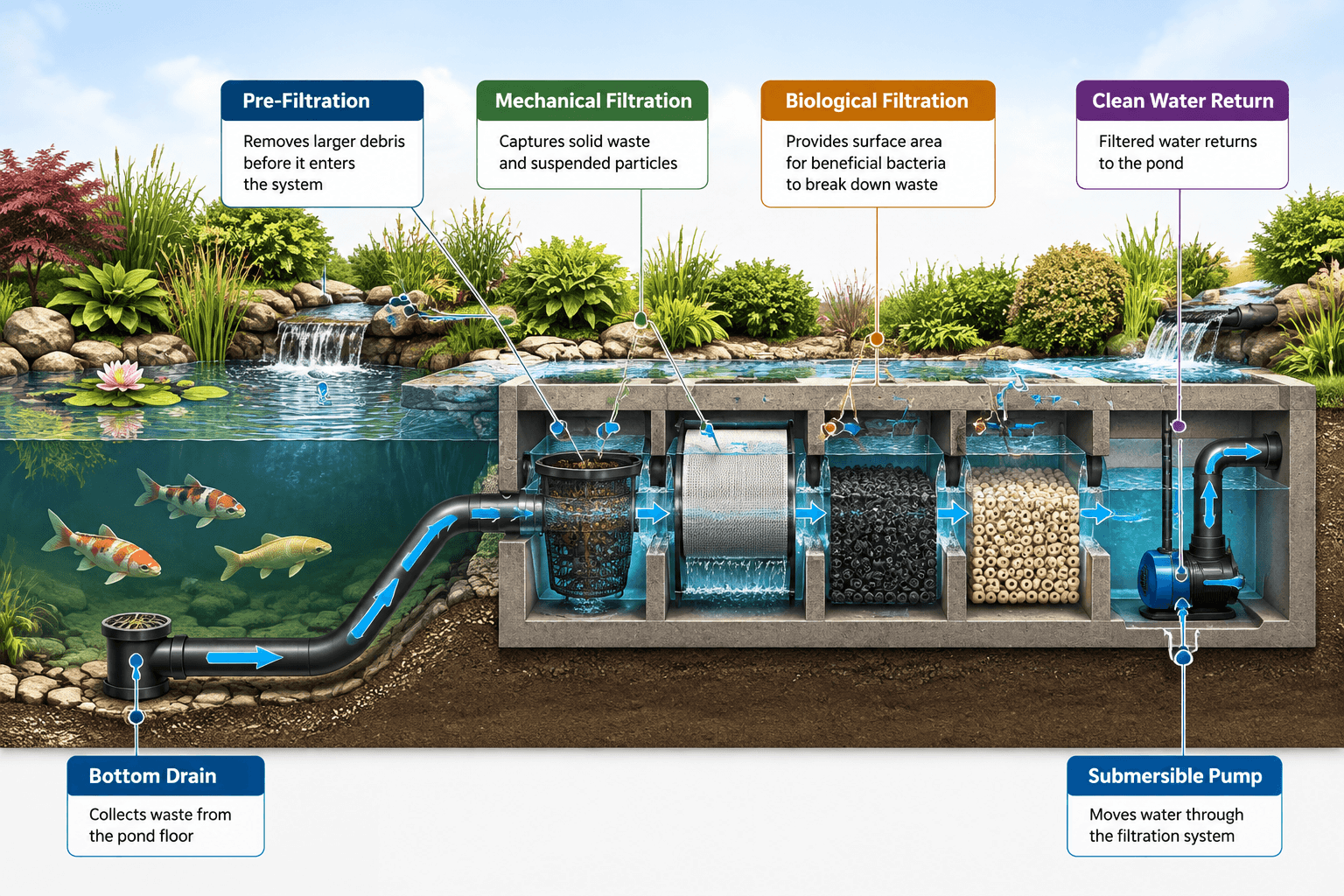
Mechanical filtration is the first important stage in many koi pond filtration systems because it focuses on removing physical waste from the water. Fish waste, uneaten food, plant material, and other suspended particles can accumulate quickly in a koi pond. If these solids remain in the system for too long, they begin breaking down and add additional pressure to the biological filtration stage. The goal of mechanical filtration is to capture these particles before they create further water-quality challenges. By removing suspended solids early, the filtration system can operate more efficiently and reduce the amount of organic material circulating through the pond.
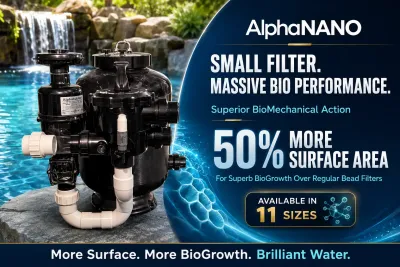
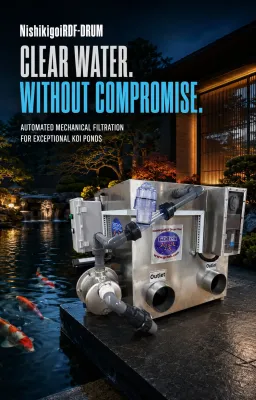
Modern mechanical filtration options provide different approaches depending on pond requirements. For larger koi ponds and professional installations, systems such as NishikigoiRDF Drum Filters provide automatic mechanical filtration by removing suspended solids before they continue through the filtration process. These systems are designed for pond owners looking for efficient solids removal with reduced manual cleaning requirements. Bead filtration systems provide another approach by combining mechanical filtration with additional filtration support. AquaBead Filters are designed to help maintain cleaner pond water while supporting the overall filtration process through effective waste capture and filtration media.
The correct mechanical filtration approach depends on factors such as pond size, fish load, maintenance preferences, and the design of the complete system.
While mechanical filtration removes visible waste, biological filtration manages the dissolved waste that cannot be removed through physical separation alone. Koi produce waste that breaks down into compounds such as ammonia, which can become harmful when allowed to accumulate. Biological filtration provides an environment where beneficial bacteria can establish and help process these compounds. These bacteria play an essential role in maintaining a balanced pond ecosystem by supporting the natural processes that convert harmful waste into less harmful forms. The effectiveness of biological filtration depends on several factors, including available filter media, oxygen levels, water movement, and the overall design of the filtration system. A properly designed biological stage provides the surface area and conditions needed for beneficial bacteria to develop and remain active.
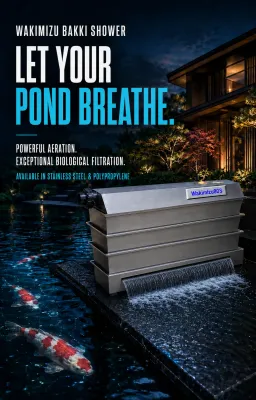
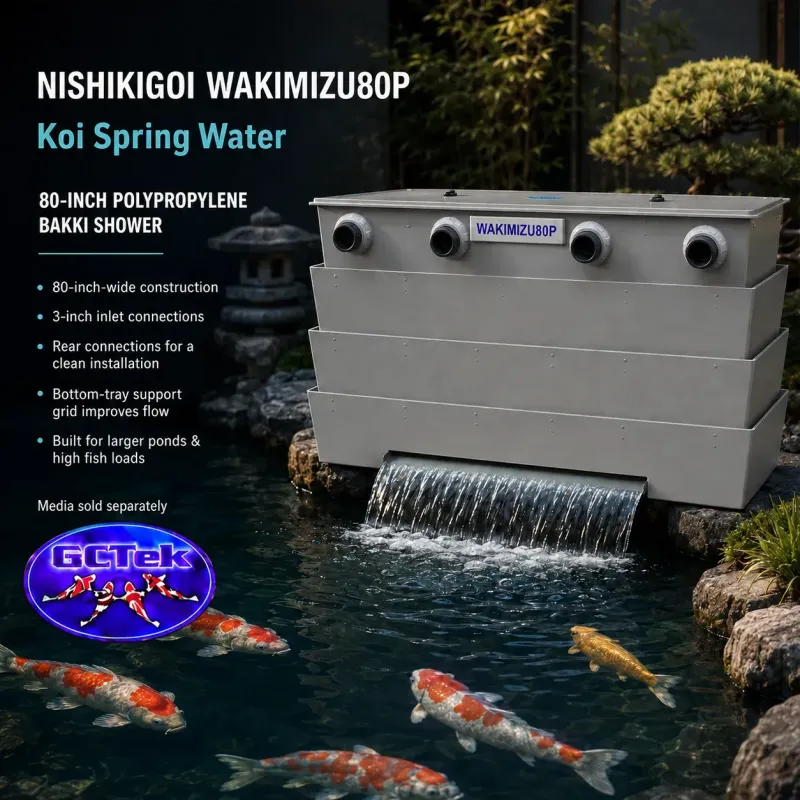
Many advanced filtration systems combine mechanical and biological functions together. For example, bead filtration systems use specialized media that can capture solids while also providing surfaces where beneficial bacteria can grow. This combination makes them a practical option for many koi pond applications. For larger or more specialized koi ponds, additional biological filtration options such as Nishikigoi Wakimizu Bakki Shower systems can be incorporated into a complete filtration strategy. These systems are designed to provide dedicated biological filtration support as part of a broader water-treatment approach.
Even when mechanical and biological filtration are working correctly, some ponds may experience green water caused by free-floating algae. These microscopic algae remain suspended in the water column and can reduce visibility, making it difficult to see koi clearly. UV filtration provides a different type of treatment by exposing circulating pond water to ultraviolet light. UV systems target free-floating algae as water passes through the unit, helping improve water clarity when combined with effective mechanical filtration.
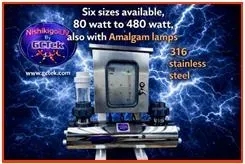
It is important to understand that UV clarification does not replace mechanical or biological filtration. A UV unit is designed to address specific water-clarity issues, while mechanical filtration removes solids and biological filtration supports beneficial bacteria. For koi ponds where green water is a recurring concern, systems such as NishikigoiUV units can become an important part of a complete filtration design. By combining UV clarification with appropriate mechanical and biological filtration, pond owners can address multiple water-quality challenges through different stages of treatment.
Creating the best koi pond filtration system setup requires looking at the pond as a complete environment rather than selecting individual equipment separately. The size of the pond, number of koi, feeding habits, circulation requirements, and maintenance expectations all influence filtration decisions. A common mistake is choosing equipment based only on pond volume. While pond size is an important factor, a heavily stocked koi pond can have very different filtration requirements compared to a lightly stocked pond of the same size. A properly planned koi pond filter system setup guide should consider how water moves through the entire system. Mechanical filtration should remove solids efficiently, biological filtration should support waste processing, and UV clarification should be added when algae control is required.
The goal is not simply installing the largest filter available. The goal is creating a balanced system where every component supports the others and contributes to stable water quality.
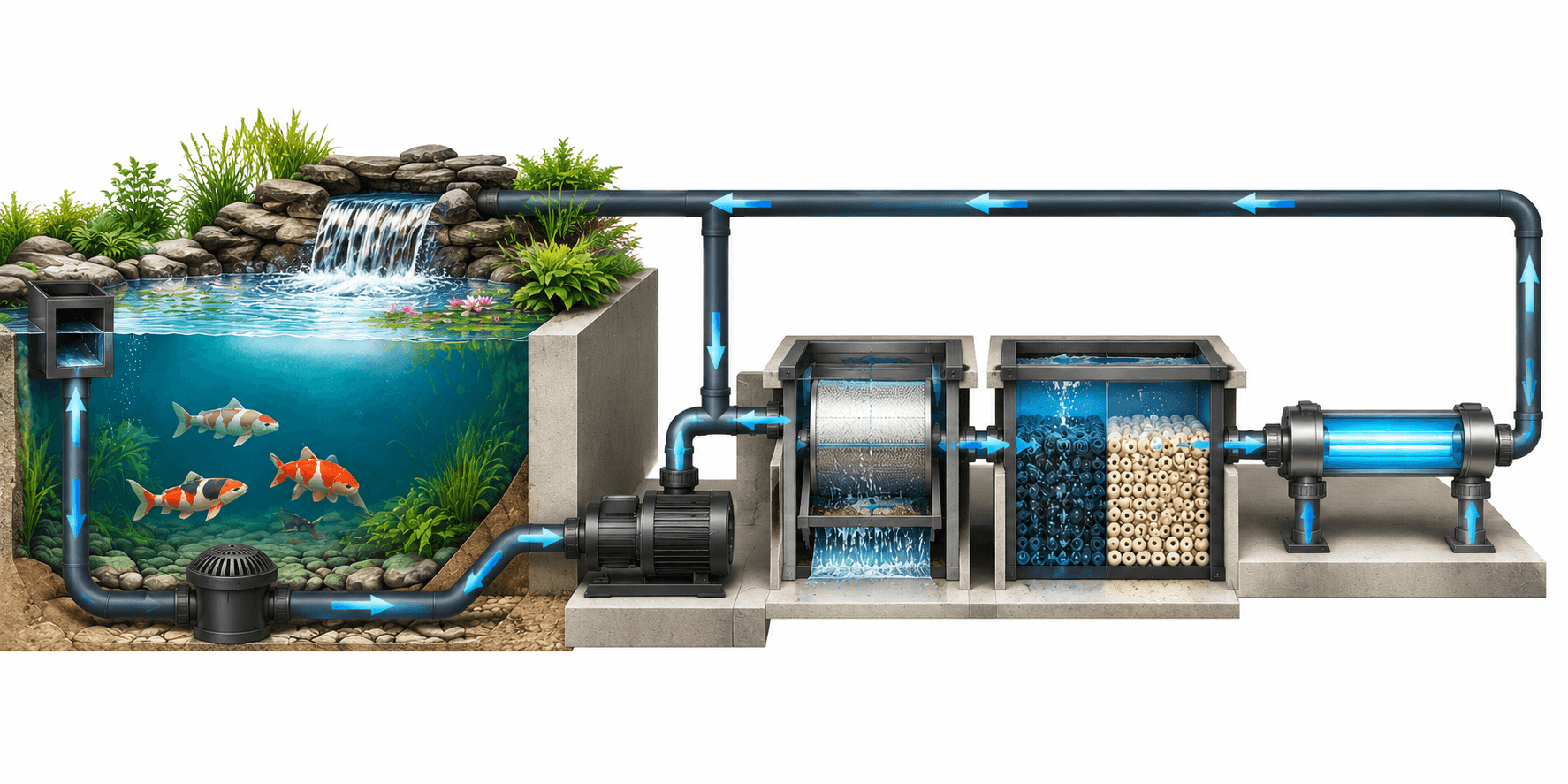
One of the most common mistakes in koi pond design is focusing on a single piece of equipment instead of looking at the filtration system as a complete process. A larger filter, stronger pump, or more advanced technology does not automatically create better water quality if the components are not working together correctly. A successful koi pond filtration system setup depends on balance between mechanical filtration, biological filtration, circulation, and water treatment. Mechanical filtration should remove solid waste efficiently, biological filtration should have the capacity to support beneficial bacteria, and water movement should allow waste to reach the filtration system consistently.
For example, a powerful biological filter may struggle if excessive solids continuously enter the system, while an effective mechanical filter may not solve water-quality issues if biological filtration capacity is insufficient. Each component has a specific role, and the overall performance depends on how well those roles connect. This is why professional pond builders often focus on designing the complete filtration system rather than selecting individual products separately. The right combination of equipment should match the pond size, fish population, maintenance expectations, and long-term goals of the pond owner.
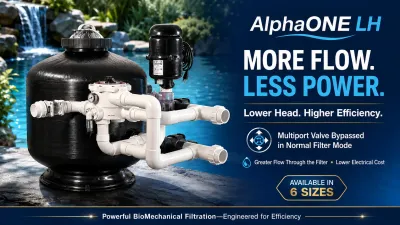
Water movement is the foundation of every filtration system. Without proper circulation, waste can settle in areas of the pond, filtration equipment may not receive enough water, and the different treatment stages cannot perform effectively. A pond pump moves water through mechanical filtration, biological filtration, and other treatment equipment while helping maintain consistent circulation throughout the pond. Selecting the correct pump is therefore an important part of designing a reliable system. When choosing a pond pump for filter systems, pond owners should consider more than the maximum flow rating. The complete system design, including filtration equipment, plumbing, pond layout, and required water movement, affects how the pump performs in real conditions.
The best pond pump for koi fish keeping is not necessarily the largest pump available. It should provide suitable circulation while working efficiently with the filtration equipment being used. An incorrectly sized pump can affect filtration performance, increase unnecessary energy usage, or create challenges within the overall pond design. Regular maintenance is also important because pump performance can decline when debris builds up or components require attention. Following proper practices for how to clean and maintain a pond pump helps ensure consistent water movement and supports the performance of the complete filtration system.
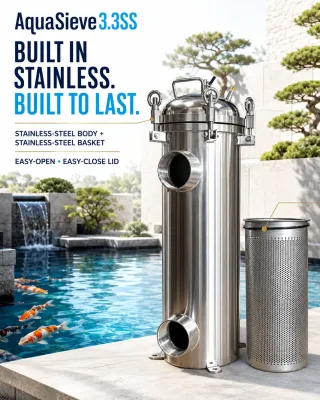
Before water reaches the main filtration equipment, removing larger debris can help improve the overall efficiency of the system. Leaves, larger organic material, and other debris can place unnecessary stress on pumps and filtration components if they enter the system continuously. A pre-filter provides an additional stage of protection by helping separate larger particles before they move further through the filtration process. Components such as the AquaSieve2 pond pre-filter strainer can be used within pond filtration setups where additional protection and debris management are required.
Pre-filtration does not replace mechanical or biological filtration. Instead, it supports the complete system by helping manage larger waste before it reaches the primary filtration stages. For ponds with heavy debris exposure or systems where protecting pumps and downstream equipment is important, incorporating pre-filtration into the design can contribute to a more efficient and easier-to-maintain setup.
Even the most advanced filtration system requires regular maintenance to continue performing effectively. Filtration equipment works continuously throughout the year, and ongoing care helps prevent small issues from developing into larger water-quality problems. Maintenance requirements depend on the type of equipment, pond conditions, fish population, and the amount of organic material entering the system. Mechanical filters may require cleaning to maintain efficient solids removal, while pumps should be checked regularly to ensure proper circulation.
Understanding how to clean and maintain a pond pump is an important part of responsible pond ownership. Checking for debris buildup, reduced water movement, and general equipment performance helps identify potential issues before they affect the entire filtration system. Seasonal changes can also influence pond requirements. Changes in feeding, temperature, plant growth, and organic waste levels may require adjustments to maintenance routines to keep the system operating efficiently. A well-maintained filtration system does more than improve appearance. It helps create more stable conditions where koi can remain healthy and the pond ecosystem can function properly.
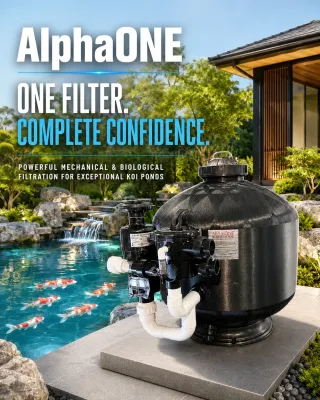
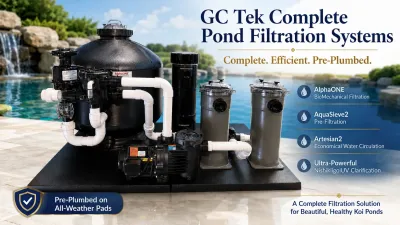
A high-performing koi pond filtration system is built by combining different technologies that each address a specific part of water management. Mechanical filtration helps remove suspended solids, biological filtration supports beneficial bacteria, and UV clarification helps manage free-floating algae that can affect water clarity. GC Tek develops filtration solutions designed around these different stages of pond treatment. AquaBead Filters provide an effective option for koi pond owners looking for reliable filtration with mechanical and biological filtration support. By helping capture waste while providing filtration media for bacterial growth, AquaBead systems can become an important part of a complete filtration strategy.
For more demanding pond environments, additional filtration stages can be incorporated based on the needs of the system. NishikigoiRDF Drum Filters provide dedicated mechanical filtration, while NishikigoiUV units help address water clarity concerns related to free-floating algae. Biological filtration solutions such as Nishikigoi Wakimizu Bakki Shower systems can further support advanced pond setups.
The correct filtration combination depends on several factors, including pond size, fish load, circulation requirements, and maintenance preferences. Rather than selecting equipment individually, designing the system as a complete water-treatment strategy allows each component to perform the role it was designed for.
Clear and healthy koi ponds are the result of proper planning, not just installing individual filtration equipment. Mechanical filtration, biological filtration, UV clarification, pumps, and pre-filtration all contribute to maintaining a stable pond environment. Understanding how each stage works allows pond owners and professionals to make better decisions when designing or upgrading filtration systems. Whether building a new koi pond or improving an existing setup, focusing on the complete filtration process helps create better long-term results. GC Tek filtration solutions provide options for different pond requirements, allowing pond owners to build systems that match their specific needs. By combining the right technologies and maintaining equipment properly, a filtration system can support clearer water, healthier koi, and easier pond management.
1. What are the three main types of koi pond filtration?
The three main filtration stages are mechanical filtration, biological filtration, and UV clarification. Mechanical filtration removes solid waste, biological filtration supports beneficial bacteria, and UV clarification helps control free-floating algae.
2. What is the best koi pond filtration system setup?
The best koi pond filtration system setup depends on pond size, fish load, circulation requirements, and maintenance goals. A balanced system combines the right filtration stages instead of relying on one component.
3. Can AquaBead Filters be used for koi ponds?
Yes. AquaBead Filters can be used as part of a koi pond filtration system by providing filtration support for removing waste and supporting biological filtration. Their bead-based design helps maintain cleaner water conditions while allowing pond owners to incorporate effective mechanical and biological filtration into their overall pond setup.
4. Do I need a UV filter if I already have mechanical and biological filtration?
UV filtration serves a different purpose. It helps manage free-floating algae that can cause green water, while mechanical and biological filtration handle solid waste and biological processes.
5. How important is a pump in a koi pond filtration system?
A pump is essential because it moves water through the filtration system and maintains circulation. The correct pump should match the requirements of the pond and filtration equipment.
6. What is the purpose of a pond pre-filter?
A pond pre-filter helps remove larger debris before it reaches pumps and filtration equipment. This can support better system efficiency and easier maintenance. By reducing the amount of unwanted material entering the main filtration system, a pre-filter can help protect equipment and improve the overall performance of the pond filtration setup.
7. How do GC Tek filtration systems improve koi pond water quality?
GC Tek filtration systems use different filtration technologies to address different water-quality challenges. AquaBead, NishikigoiRDF, NishikigoiUV, and Wakimizu systems can be combined depending on the pond requirements.