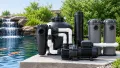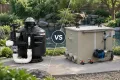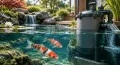
A pond pump is one of the most important pieces of equipment in any koi pond. While filters remove debris and support beneficial bacteria, the pump keeps water moving through the entire system. Without proper circulation, oxygen levels drop, waste begins to build up, and water quality quickly declines. For koi, this can lead to stress, poor health, and an unhealthy pond environment. The good news is that regular koi pond pump maintenance is straightforward and doesn't require special skills. By cleaning and inspecting your pump on a routine basis, you can extend its lifespan, improve water circulation, and help keep your koi pond in excellent condition.
Your pond pump runs continuously, often 24 hours a day. Over time, leaves, algae, fish waste, and other debris can collect around the intake or inside the pump. As this buildup increases, the pump has to work harder, reducing its efficiency and increasing energy consumption.
Routine maintenance helps:
Ignoring pump maintenance can eventually lead to poor water quality, increased algae growth, and unnecessary repair or replacement costs.
Your koi pond pump and filter system runs continuously, often 24 hours a day. Over time, leaves, algae, fish waste, and other debris can collect around the intake or inside the pump. As this buildup increases, the pump has to work harder, reducing its efficiency and increasing energy consumption. Your pond pump often gives warning signs before problems become serious. Watch for these common indicators:
Addressing these issues early can prevent more significant damage.
There isn't a single cleaning schedule that works for every pond because maintenance needs vary depending on several factors, including pond size, fish population, surrounding vegetation, and seasonal changes. A pond with a large number of koi or one located beneath trees will typically require more frequent attention than a smaller pond with fewer fish.
As a general guideline, inspect your pond pump every two to four weeks during the spring and summer when fish are most active and algae growth is at its highest. If your pond has a heavy koi population, you may need to clean the pump more often because increased fish waste can cause debris to accumulate more quickly. During the fall, leaves and other organic matter should be removed promptly to prevent blockages that could restrict water flow. Before restarting your pond system after winter, perform a thorough inspection and cleaning to ensure the pump is free of debris and ready for another season of continuous operation.
Rather than waiting until you notice reduced water flow or other performance issues, making pump inspections a regular part of your pond maintenance routine can help extend the life of your equipment while keeping water circulating efficiently for healthy koi.
Cleaning your pond pump doesn't have to be complicated. By following a few simple steps, you can remove debris, restore water flow, and help your pump continue operating efficiently.
Before beginning any maintenance, switch off the power supply and disconnect the pump. This ensures your safety and protects the equipment while you're working. Carefully lift the pump from the pond, avoiding any strain on the electrical cord. If the pump is connected to plumbing, disconnect it according to the manufacturer's instructions.
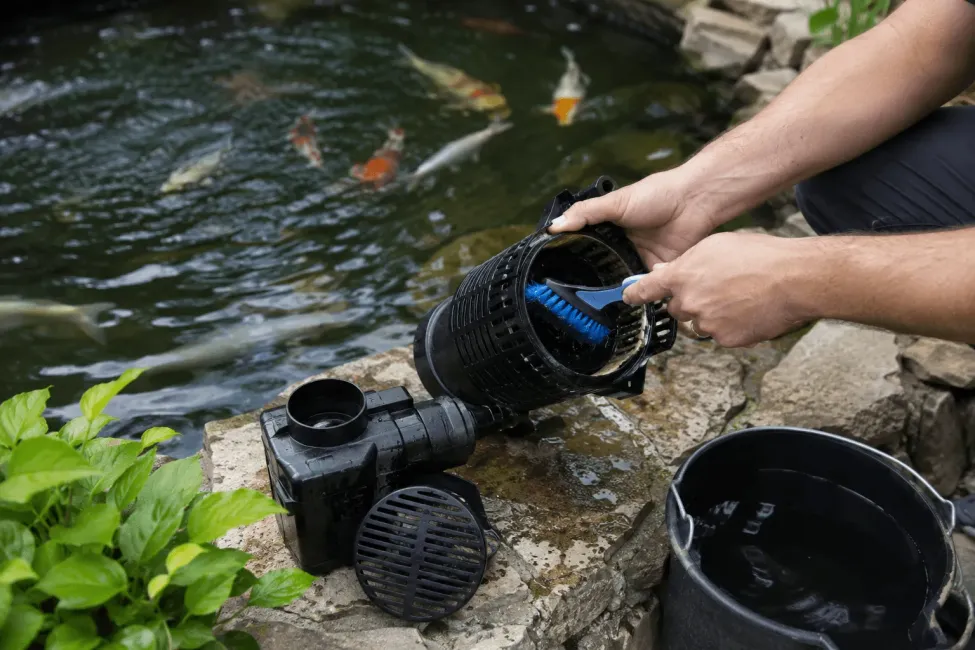
Once the pump has been removed, inspect the intake screen, impeller housing, and surrounding areas for accumulated debris. Leaves, twigs, string algae, mud, and fish waste can all restrict water flow and reduce the pump's efficiency. Most of this material can be removed by hand or with a soft brush.
The impeller is the part of the pump responsible for moving water, so keeping it clean is essential for proper performance. Check for dirt buildup, mineral deposits, wrapped algae, or small stones that may interfere with its movement. Carefully clean the impeller without forcing or damaging any of its components.
After cleaning all removable parts, rinse them thoroughly with clean water. Avoid using soaps, detergents, or chemical cleaners, as any residue can be harmful to koi and the beneficial bacteria that support your pond's biological filtration. Once everything is clean, reassemble the pump and place it back into the pond.
Reconnect the power and allow the coi pond pump to run for a few minutes. Check that water is flowing normally, listen for any unusual noises, and inspect the system for leaks. If the pump is operating quietly and circulation has returned to normal, the maintenance is complete.
A few simple habits can significantly increase the lifespan of your pond pump.
Using a skimmer or pre-filter reduces the amount of debris reaching the pump, allowing it to operate more efficiently.
A pond pump should always remain submerged or supplied with adequate water, depending on its design. Running dry can quickly damage internal components.
Low water levels can reduce pump performance and increase wear over time.
Periodically check power cords and connections for signs of wear or damage.
The pump and filter work together. Cleaning only the pump while leaving the filter clogged reduces the overall efficiency of the pond system.
Even small maintenance mistakes can affect your pond pump's performance and shorten its lifespan. Avoid these common issues to keep your pump running efficiently:
Following a regular maintenance schedule is far easier and more cost-effective than repairing or replacing a damaged pond pump.
Healthy koi depend on clean, oxygen-rich water to thrive, and proper circulation plays a vital role in maintaining those conditions. A well-functioning pond pump keeps water moving continuously, helping distribute oxygen throughout the pond while preventing stagnant areas where waste and harmful bacteria can accumulate. Consistent circulation also carries fish waste, uneaten food, and other debris toward the filtration system, allowing mechanical and biological filters to work more effectively. In addition, steady water movement supports beneficial bacteria that break down harmful substances, helping maintain balanced water quality.
Without adequate circulation, even a high-quality filtration system cannot perform at its full potential, making a reliable pond pump essential for a healthy koi pond.
Keeping your pond pump clean is only one part of maintaining a healthy pond. Choosing the right koi pond pump and filter system from the start is equally important, as it directly affects water circulation, filtration efficiency, and overall pond health. When selecting a pond pump, consider factors such as your pond's total water volume, the number of koi you keep, the required flow rate, head pressure, energy efficiency, and compatibility with your existing filtration system. A properly sized pump will circulate water effectively without placing unnecessary strain on the equipment, helping maintain clear water, stable oxygen levels, and a healthier environment for your koi over the long term.
Learning how to clean and maintain a pond pump is one of the easiest ways to protect your investment and keep your koi healthy. Regular inspections, simple cleaning routines, and proper system maintenance help maintain clear water, improve oxygen levels, and support efficient filtration throughout the year. While maintenance is essential, using a high-quality pump designed for your pond's size and filtration requirements can make ongoing care much easier.
If you're looking for dependable pond circulation, AquaBead offers a range of GC TEK pond pumps designed for different pond sizes and applications. Options include the ArtesianPro Low RPM, ArtesianPro High Flow, ArtesianPro High Head, PerformancePro Artesian2 series, WunderMax Variable Speed Pump, Performance Pro Cascade Pumps, and WellSpring Pump.
Whether you need higher flow for larger koi ponds or an energy-efficient solution for everyday circulation, choosing the right pump helps maintain proper water movement, supports your pond filtration system, and creates a healthier environment for your koi. Selecting the correct flow rate for your pond size and pairing it with an effective filtration system will provide the best long-term results for water clarity and fish health.
1. How often should I clean my pond pump?
The cleaning frequency depends on factors such as pond size, fish population, surrounding vegetation, and seasonal changes. As a general guideline, pond pumps should be inspected every two to four weeks during active seasons when algae growth and debris buildup are higher.
2. What are the signs that my koi pond pump needs cleaning?
Common signs include reduced water flow, cloudy water, unusual pump noises, increased algae growth, lower oxygen levels, or the pump turning on and off unexpectedly. These issues may indicate debris buildup or reduced pump efficiency.
3. Why is water circulation important for koi ponds?
Proper water circulation helps distribute oxygen, prevent stagnant areas, move waste toward the filtration system, and support beneficial bacteria. A reliable pond pump plays an important role in maintaining a healthier environment for koi.
4. Can I clean my pond pump with soap or chemical cleaners?
No. Soap, detergents, and chemical cleaners should be avoided because residues can harm koi, aquatic plants, and beneficial bacteria. Pump components should be rinsed with clean water and cleaned using appropriate methods.
5. How can I extend the life of my pond pump?
Regular inspections, removing debris, maintaining proper water levels, avoiding dry operation, checking electrical connections, and keeping the complete filtration system clean can help improve pump performance and extend its lifespan.
6. How do I choose the right pond pump for my koi pond?
The right pond pump depends on factors such as pond volume, koi population, required flow rate, head pressure, energy efficiency, and compatibility with your filtration system. Selecting the correct pump size helps maintain effective circulation without unnecessary strain on the equipment.
7. Should I replace my pond pump if water flow decreases?
A decrease in water flow does not always mean the pump needs replacement. First, check for clogged intakes, debris buildup, plumbing restrictions, or filter issues. If performance problems continue after maintenance, the pump may need inspection or replacement.