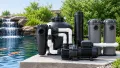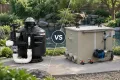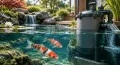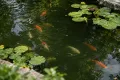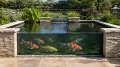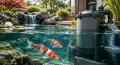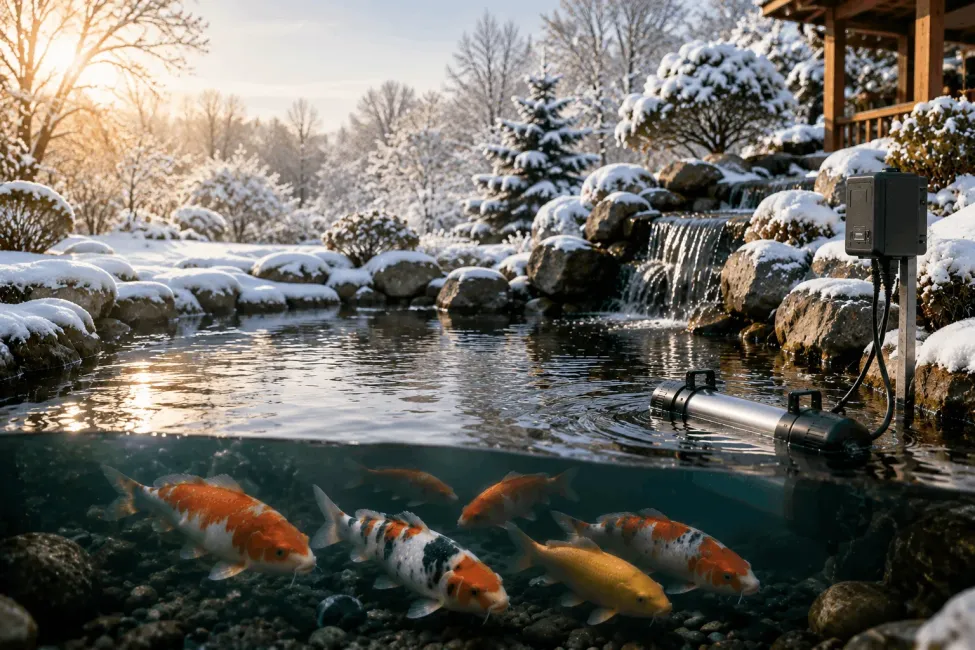
As the weather gets colder, your pond starts to change in ways that are not always easy to notice. The water becomes colder, fish move less, and your pond ecosystem slows down. While this is a natural part of winter, sudden water temperature drops can put stress on fish and affect the balance of the entire pond. Many pond owners think fish can just “handle the cold,” but healthy winter care is about providing stable conditions, not making the water warm. With the right strategy and the right pond heater, you can winterize your pond, keeping your fish safe and comfortable until spring.
The water temperature affects almost everything happening in your pond. It influences:
When temperatures change too quickly, fish experience stress. This weakens their immune system and makes them more likely to develop health problems. The key reason is simple: a stable pond is a healthy pond.
In simple terms, heating a pond does not mean turning your pond into a swimming pool. Instead, it helps reduce sudden temperature swings during winter. Keeping the water at a more stable temperature creates a healthier environment for fish and allows important biological processes to continue.
Here's how it works:
Not every pond needs to be heated to the same temperature. The goal is stability, not excessive warmth.
Not always. Whether you need a pond heater depends on several factors:
Compared to small, shallow ponds, large, deep ponds typically maintain more stable temperatures. Adding a high-quality pond heater can make winter much easier for your fish if your area frequently experiences freezing temperatures.
Choosing the correct heating system depends on your pond's needs. Consider these points before buying:
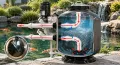
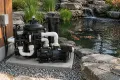
Many experienced pond owners combine heating with proper filtration and water movement. This creates a healthier environment throughout winter. Reliable heating systems from AquaBead are designed to work alongside quality filtration, helping pond owners maintain stable conditions during cold weather.
It makes a significant impact when placed correctly. For ideal outcomes:
Good circulation spreads warmth more evenly throughout the pond.
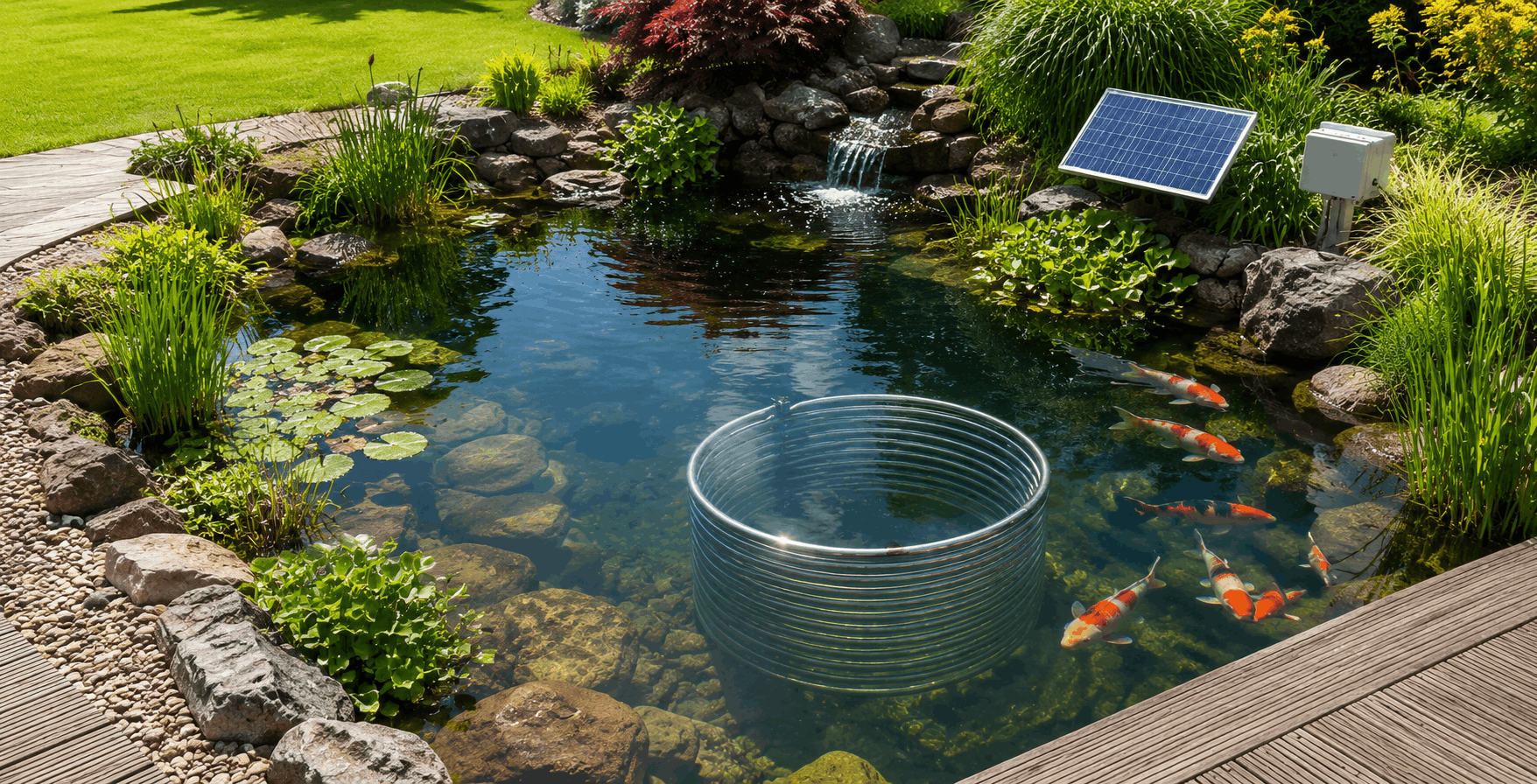
Don't wait until the pond freezes. It is much better to install and start your pond heater before temperatures become extremely cold. This helps prevent sudden changes that can shock fish. Many pond owners begin preparing their ponds during late autumn while water temperatures are gradually falling. Slow changes are much easier for fish to handle than rapid temperature drops.
Heating is only one part of good winter pond care. Here are several simple habits that make a big difference.
Remove fallen leaves before they sink. Too much organic waste lowers water quality and increases harmful gases during winter.
As the water cools, koi eat less. Avoid overfeeding because leftover food can quickly reduce water's quality.
Cold water usually holds more oxygen, but ice can trap harmful gases. Keeping part of the pond open helps maintain healthy oxygen levels.
Regularly inspect:
An early inspection can help avoid more serious issues later on.
Many beginners make small mistakes that affect the whole pond.
Avoid these common problems:
The goal is consistency, not constantly changing temperatures.
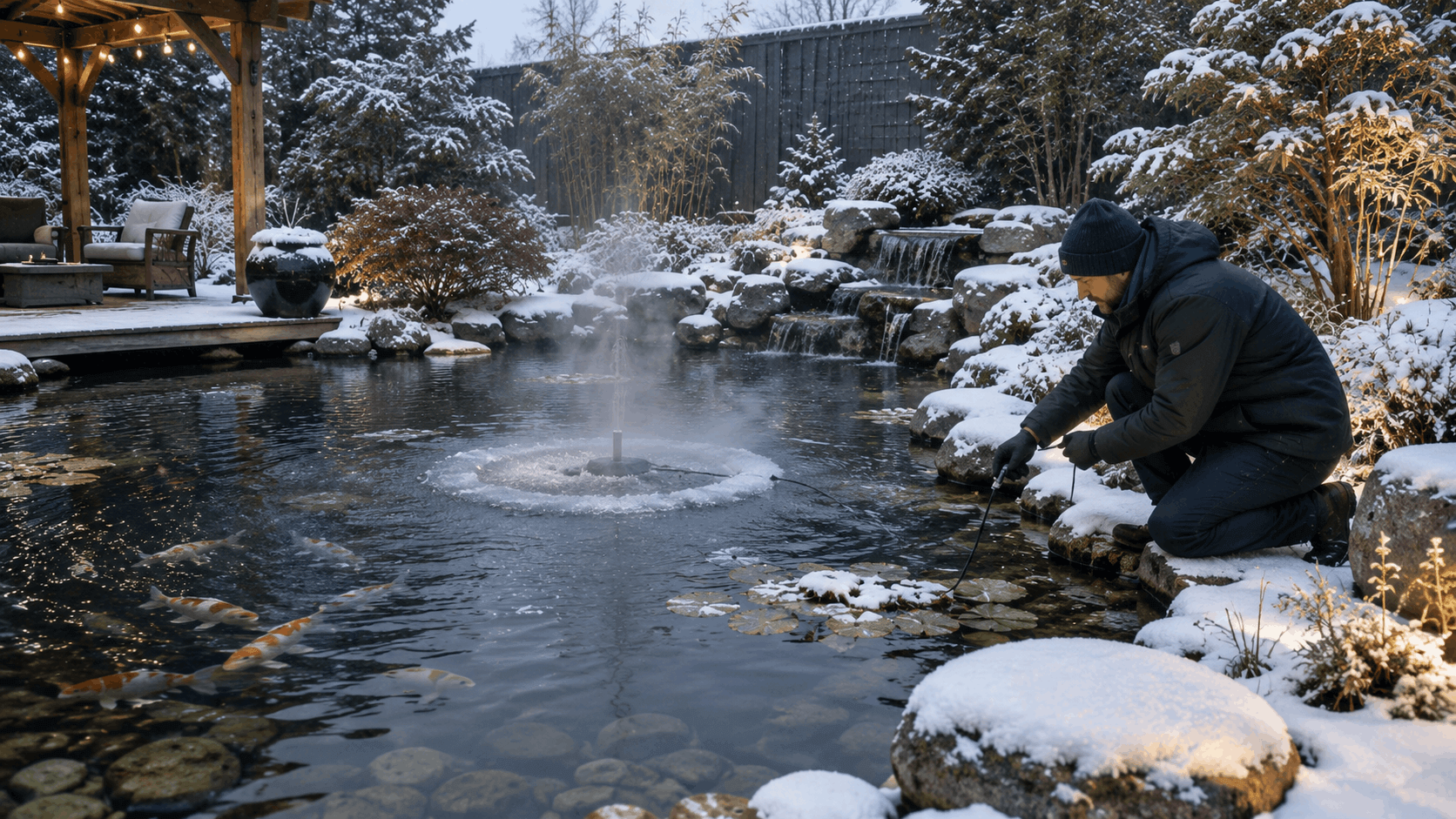
Before winter arrives, make sure you have:
Following these simple steps helps protect both your fish and your pond ecosystem.
A healthy pond doesn't happen by chance. It comes from keeping conditions stable, watching your equipment, and preparing before winter arrives. By managing water temperature, maintaining good filtration, and avoiding sudden changes, you give your koi the best chance to stay healthy until spring.
If you're looking for reliable solutions, explore Aqua Bead's Koi Pond Heaters. Their advanced systems are designed to maintain stable water temperatures, support a healthy pond ecosystem, and make winter pond maintenance much easier. Choosing the right koi pond heater can help protect your fish and keep your pond in excellent condition throughout the colder months.
1. Do I need a pond heater for my koi pond?
Not every pond requires heating, but a pond heater can be beneficial in areas with freezing temperatures or long winters. Factors such as pond depth, water volume, fish population, and local climate conditions should be considered when deciding whether heating is needed.
2. How does a pond heater help koi during winter?
A pond heater helps maintain more stable water temperatures and reduces sudden temperature changes that can stress koi. Stable conditions also support better oxygen exchange, beneficial bacteria activity, and overall pond balance during colder months.
3. What temperature should a koi pond be kept during winter?
The goal of a pond heater is not to make the water warm like a swimming pool. Instead, it is used to help reduce extreme temperature fluctuations and create a more stable environment that allows koi to handle winter conditions more comfortably.
4. When should I install and start using a pond heater?
It is better to install a pond heater before temperatures become extremely cold. Starting early in the season helps prevent sudden temperature drops and allows fish to adjust gradually as winter conditions approach.
5. Where should a pond heater be placed?
A pond heater should be positioned where water circulation can distribute its effect throughout the pond. It should be installed away from heavy debris areas and placed according to the manufacturer’s guidelines for proper performance.
6. Can a pond heater replace a pond filter during winter?
No. A pond heater and pond filter serve different purposes. A heater helps maintain stable water temperatures, while a filter removes waste and supports beneficial bacteria. Both play important roles in maintaining a healthy pond ecosystem.
7. What factors should I consider when choosing a pond heater?
Important factors include pond size, water volume, average winter temperatures, fish load, circulation, and whether the heating system is designed for outdoor pond use. Choosing the correct size helps maintain effective winter protection.
8. What other winter care steps should I follow along with using a pond heater?
Along with heating, pond owners should maintain good water quality, remove excess leaves and debris, monitor oxygen levels, adjust feeding habits, and regularly check pumps, filters, and other equipment to keep the pond healthy throughout winter.