Managing water flow is an important part of any pond filtration or plumbing system. Water needs to move in the right direction and at an appropriate rate so that pumps, filters, returns, and other components can work together effectively. When a system contains more than one possible flow path, a valve can be used to control where that water goes. A water three way valve provides a practical way to redirect or split water between different plumbing lines. Instead of installing separate valves for every flow path, a three-way design allows multiple lines to meet at one control point. Understanding how this type of valve works can make it easier to plan pond plumbing, manage filtration, and make adjustments when water needs to be redirected.
A water three way valve is a plumbing component with three connection points rather than the two commonly found on a standard valve. These openings allow water to enter through one connection and be directed toward different paths depending on the valve position and plumbing configuration. In a pond system, this can be useful when water needs to move between multiple sections of the filtration or circulation setup. For example, the plumbing may need to direct water toward different filtration paths or divide the flow between separate lines. The main purpose is straightforward: give the user greater control over where water travels without making the plumbing unnecessarily complicated.
The valve controls water by changing the internal pathway between its three connections. Adjusting the valve changes which ports are open and how water can move through them. Depending on the system configuration, this makes it possible to redirect water from one line to another or split the available flow between multiple paths. Instead of rebuilding plumbing whenever the required water path changes, the valve provides a convenient control point. This flexibility becomes particularly useful in larger pond systems where several components may share the same circulation system. For example, water leaving a pump may need to travel through one filtration route while another line serves a different part of the pond. A properly positioned three-way valve can help manage these paths from a single location.
A pond filtration system depends on continuous water movement. The pump moves water through the plumbing, while filtration components remove debris and help maintain better pond conditions. If water isn't directed properly, some parts of the system may receive more flow than intended while others receive too little. This can affect how efficiently the filtration setup operates. Good flow management can help water move efficiently through the intended filtration path while supporting proper circulation throughout the pond. It can also make a more complicated plumbing layout easier to control. This is why valves aren't simply connectors. They play an active role in managing how the overall plumbing system functions. Need better control over your pond’s water flow? Shop our water flow control solutions.
One of the main functions of a water three way valve is water redirection. Consider a pond plumbing system with multiple possible routes. Rather than permanently sending water through only one line, a three-way valve allows the flow path to be changed according to the system's needs. Adjusting the valve can redirect water toward another connected line. This gives pond owners greater flexibility when managing filtration configurations or other plumbing paths. A single control point can therefore simplify a setup that might otherwise require several individual valves and additional plumbing connections.
A three-way valve can also help split water flow. In this type of configuration, water enters the valve and is distributed between connected paths. Adjusting the valve position changes how water is directed through those lines. This capability can be particularly useful in larger pond environments where multiple flow paths need to operate as part of the same system. Instead of allowing water to move through the plumbing without control, the valve provides a way to manage its direction more precisely. However, the exact configuration should always match the requirements of the pump, filtration equipment, and plumbing system.
Three-way valves are especially useful in pond filtration systems with multiple plumbing routes. Larger ponds may contain several components that need controlled water movement, making a simple straight plumbing line impractical. A valve may be incorporated where water needs to be redirected or divided between different sections of the system. This allows the plumbing arrangement to remain flexible while giving the pond owner a convenient way to manage flow. The exact installation location depends on how the pond filtration system has been designed. Pump placement, pipe size, filtration components, and the required flow paths should all be considered when determining where the valve belongs.
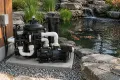
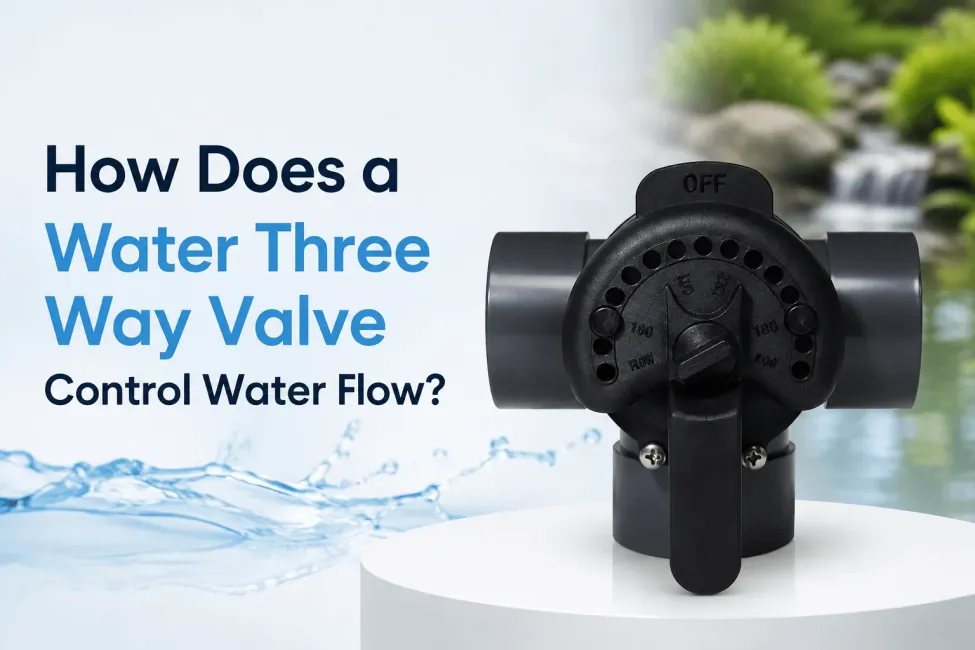
Valve size is another important consideration because the component needs to integrate correctly with the surrounding plumbing. For example, GC Tek's three-way valve uses a 2" x 2.5" configuration, designed for compatibility with standard pond plumbing and filtration arrangements. Matching the valve to the appropriate plumbing helps create a cleaner installation and avoids unnecessary complications when connecting different components. A valve shouldn't be selected based only on the number of ports. Pipe dimensions and the overall filtration configuration also need to be considered.
A water three way valve should be installed in a location where it can be reached easily. Even when a filtration system is operating correctly, adjustments may occasionally be needed. Keeping the valve accessible makes it easier to change water direction without interfering with other equipment. It can also simplify routine inspections and general pond-system maintenance. The GC Tek 3-Way Valve 2" x 2.5", for example, is designed for simple integration into existing filtration systems. Its versatile configuration allows it to work with different pond plumbing setups where controlled redirection or splitting of water is required. Durable construction is also important because pond plumbing equipment operates in demanding outdoor conditions and needs to provide reliable service over time.
One of the biggest advantages of a three-way valve is flexibility. Pond filtration systems aren't always simple, particularly as ponds become larger or additional filtration equipment is introduced. Having a central point for directing water can make these systems easier to manage. Rather than creating a completely separate plumbing route for every requirement, a three-way valve can help organize multiple flow paths within the existing system. This can result in a cleaner plumbing arrangement while giving pond owners more control over how water moves through their filtration setup.
A water three way valve controls water flow by providing three connection points and allowing water to be redirected or split between different plumbing paths. In pond filtration systems, this added control can make it easier to manage multiple flow routes while keeping the plumbing configuration organized and flexible. The correct valve arrangement depends on the pond's plumbing design, filtration equipment, and required water flow. AquaBead provides components such as the 3-Way Valve 2" x 2.5", designed for pond systems that need controlled water direction, durable construction, and compatibility with different filtration configurations.Understanding what the valve does and where it fits into the system helps pond owners make better decisions when planning, adjusting, or maintaining pond plumbing.
1. What is a water three way valve used for?
A water three way valve is used to control the direction of water flow within a plumbing system. It allows water to be redirected between different paths or split between multiple lines, making it useful for pond filtration and circulation setups.
2. How does a three way valve control water flow?
A three way valve controls water flow by adjusting the internal pathway between its three connection points. Depending on the valve position, water can be directed toward different outlets or divided between connected plumbing lines.
3. Why are three way valves useful in pond filtration systems?
Three way valves provide better control over complex pond plumbing systems. They allow pond owners to manage multiple flow paths, redirect water when needed, and create a more flexible filtration setup without requiring separate valves for every line.
4. Can a water three way valve split water flow between two lines?
Yes, a water three way valve can split water flow between connected lines depending on the plumbing configuration. Adjusting the valve changes how much water moves through each available path.
5. Where should a three way valve be installed in a pond system?
The installation location depends on the pond design, pump placement, pipe size, and filtration requirements. A three way valve should be placed in an accessible area so adjustments and maintenance can be performed easily.
6. Why is valve size important when choosing a three way valve?
Valve size needs to match the surrounding plumbing system to ensure proper compatibility and efficient water movement. Choosing the correct size helps create a cleaner installation and allows the valve to work effectively with pumps and filtration components.
7. What is the difference between a regular valve and a water three way valve?
A standard valve usually controls flow through one pathway, while a water three way valve provides three connection points that allow water to be redirected or divided between multiple flow routes.
8. How does a three way valve improve pond plumbing flexibility?
A three way valve allows pond owners to manage different water paths from a single control point. This makes complex filtration systems easier to adjust and helps simplify plumbing layouts with multiple circulation requirements.