Winter can be a difficult time for pond owners. The water cools, fish become less active, and ice may form on the surface. Many pond owners worry about whether their koi will stay healthy until spring.
Winter pond care is simple: choose the right Pond Heater, perform regular maintenance, and adopt easy habits to keep your fish safe, warm, and happy throughout the cold months.
A well-maintained pond is more stable during winter. It supports better water quality, reduces stress on fish, and helps prevent common cold-weather problems. In this guide, we will explain everything you need to know about using a koi pond heater and keeping your pond healthy during winter.
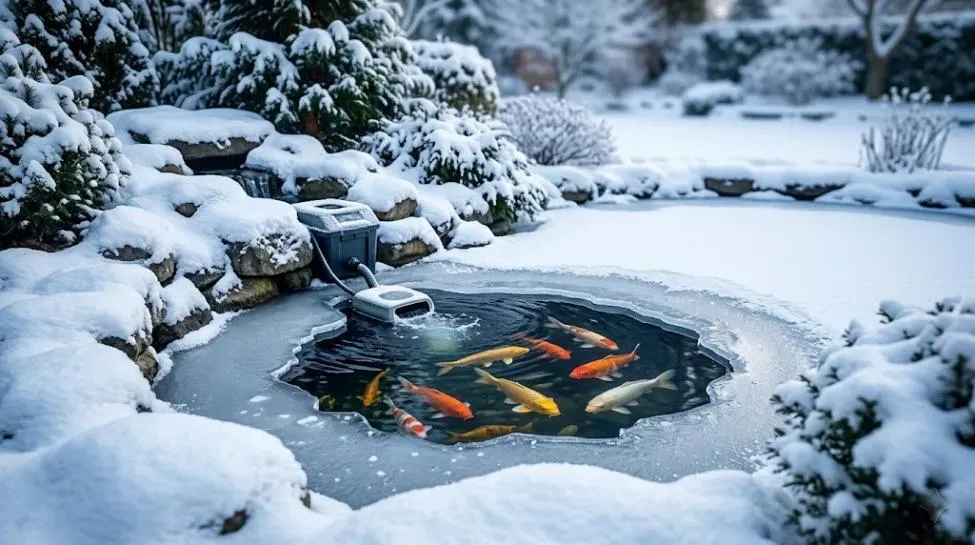
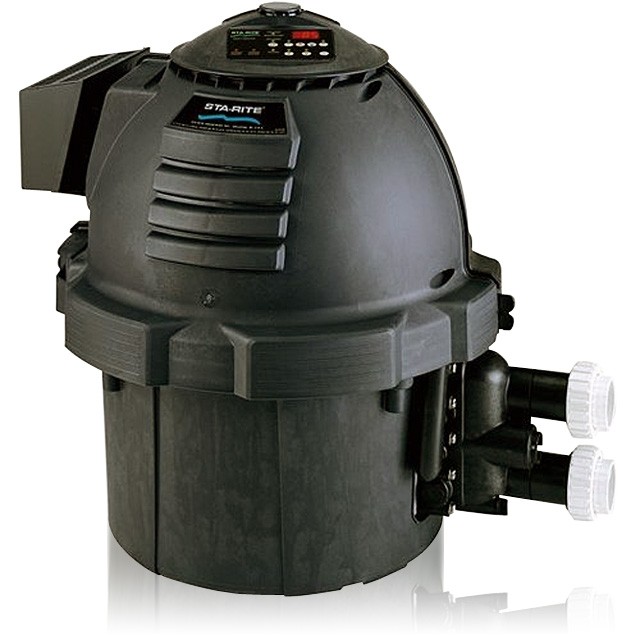
A pond heater for winter helps maintain an opening in the ice and supports healthy gas exchange between the water and the air.
When a pond freezes over completely, harmful gases can become trapped beneath the ice. At the same time, oxygen exchange becomes limited. This can create stressful conditions for fish.
The key reason is simple: healthy water conditions help fish survive winter more comfortably.
Benefits of a pond heater winter setup include:
In simple terms, a koi pond heater works alongside a pond filter to prevent complete ice coverage and improve winter pond conditions.
Many people think a heater should warm the whole pond. In reality, most systems work with a pond filter to keep an opening in the ice rather than significantly raising the water temperature.
Here’s an explanation of how it functions:
This creates a safer environment for koi during the colder months.
Not every pond needs the same heating solution. Choosing the correct heater pond setup depends on several factors.
A small backyard pond has different requirements than a large koi pond. For smaller ponds, a small pond heater may provide enough protection during winter.
For larger ponds, more powerful systems may be necessary to maintain an effective ice-free area.
Some areas experience mild winters, while others face long periods of freezing temperatures.
If your region experiences harsh winters, investing in a reliable pond heater can provide better protection for your fish.
A pond with many koi produces more biological activity than a pond with only a few fish.
More fish means maintaining stable winter conditions becomes even more important.
Many pond owners ask when they should begin heating a pond. The best approach is to prepare before severe cold weather arrives.
A common question from pond owners is when to start heating their ponds. The best strategy is to prepare before extremely cold weather strikes.
Don't wait until the pond is totally frozen. Before the temperature regularly falls below freezing, install your heater.
Inspect:
A quick inspection can prevent problems later in winter.
While heating pond water is important, overall water quality matters too.
Regularly monitor:
Proper placement plays a big role in performance.
A properly positioned pond heater works more efficiently and provides better winter protection.
A heater is only one part of successful winter pond management.
Leaves and organic matter decompose gradually over time. This process may release harmful gases into the water.
Before winter begins:
As the temperatures fall, koi tend to become less active. Feed less often and incorporate suitable seasonal foods when advised. Overfeeding in winter may harm water quality.
Ensuring good water quality is always essential, even when fish are less active. Make sure to check the
Keeping the water clean helps your fish stay healthy and happy.
Many winter pond problems come from simple mistakes.
One of the most common errors is delaying installation.
A pond heater winter setup works best when installed before freezing conditions arrive.
Even the best equipment needs regular checks.
Inspect the heater periodically throughout winter.
A small pond heater may not provide enough support for a large pond.
Choose equipment that matches your pond size.
A heater helps, but it cannot solve every problem.
Good filtration, clean water, and proper fish care are equally important.
Many people search for a coy pond heater when looking for winter pond solutions.
Yes, a properly selected heater can help create safer winter conditions for koi by supporting better gas exchange and reducing complete ice coverage.
The key is using the heater as part of a complete winter care plan rather than relying on it alone.
Use this simple checklist before winter arrives:
Following these steps can make winter much easier for both you and your fish.
Winter can be tough on pond fish, but a little preparation can make a big difference. Using a high-quality koi pond heater, keeping an eye on water quality, and performing regular pond maintenance can help keep fish healthy during the colder months.
Whether pond owners are using a heater for the first time or upgrading their current setup, the goal is simple: keep the pond environment stable and comfortable for koi throughout winter. Addressing small issues before cold weather arrives can help prevent bigger problems later.
If you are looking for dependable pond equipment, Aquabead offers filtration and pond care solutions to help keep your water clean and healthy all year round.
1. Do I need a pond heater every winter?
It depends on your climate. In areas with freezing temperatures, a pond heater can help maintain safer winter conditions for fish.
2. Can a koi pond heater warm the entire pond?
Most koi pond heater systems are designed to keep an opening in the ice rather than heat the entire pond.
3. When should I start using a pond heater?
Install the heater before freezing weather arrives so it can work effectively from the beginning of winter.
4. Is a small pond heater enough for my pond?
A small pond heater may work well for smaller ponds, but larger ponds often require more powerful equipment.
5. Can I stop maintaining my pond during winter?
No. Regular monitoring of water quality, equipment, and fish health remains important throughout the winter season.