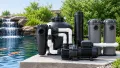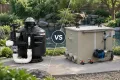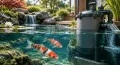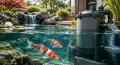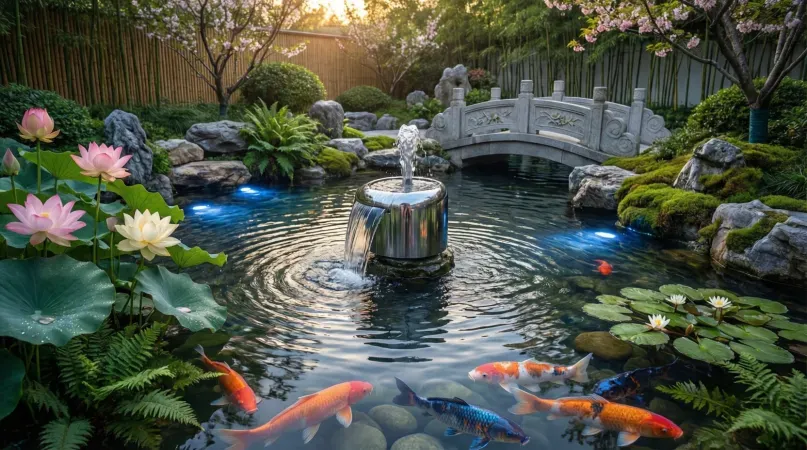
Water is not the only thing that freezes in winter. It also highlights flaws in the equipment in your pond. Many pond owners prioritize fish care over technical hazards. A single mistake can have a significant impact on water quality within days. At Aquabead, we often see winter related pump failures arrive without warning. Your entire pond ecosystem depends on steady circulation. Therefore, protecting your Pond Pumps before freezing temperatures arrive is critical. Cold weather affects motors, seals, and water flow faster than most people expect. As a result, preparation becomes the difference between survival and costly loss.
Freezing water creates expansion inside pump housings and pipes. This expansion cracks impellers and internal seals. Without any prior notice, ice pressure can split casings. Additionally, moisture condenses within electrical connections. Shorts and tripping breakers are more likely as a result. Motors overheat when there is less water flow. The pump has internal damage, but it looks to be working. These dangers help to explain why winter failures frequently occur unexpectedly.
These symptoms need to be treated right away. Ignoring them causes more damage within the hours. Early intervention saves fish and prevents permanent pump failure.
Loss of water circulation results in a gradual reduction during the summer. Damage occurs quickly in the winter. Picture a pump koi pond on chilly evenings. Oxygen levels rapidly decrease if circulation ceases. In cold water, fish metabolism slows down. They cannot escape poor conditions. Toxic gases accumulate under ice surfaces. Recovery becomes difficult once ice seals the pond. Winter failures often cause complete system collapse.
Many pond owners ask this question through voice search. Should I turn off the pond pump in winter? The answer depends on the pond depth and fish load.
Thus, we at Aquabead advise you to carefully match the pond design to the pump operation. There is seldom a single rule that works for everyone.
Heat loss is accelerated by the surface circulation. The entire water column may become frozen as a result. Moving pumps to the middle depth preserves warmer bottom layers. During the winter, fish normally rest in deeper zones. As a result, appropriate positioning preserves oxygen flow without compromising thermal stability. Correct placement immediately increases fish comfort and survival rates.
Cold water increases the resistance of pumps. Frozen parts increase energy consumption and put strain on motors. While producing less flow, inefficient systems use more electricity. Our GC TEK manufactured Pond pumps come with a year-round rating therefore run steadily and efficiently. A Pond Heater also helps reduce ice stress and supports stable circulation in extreme cold. Despite the cold, long-term costs are still lower. Effective pumps safeguard your energy budget as well as your pond.
Insulated pond covers reduce heat loss. Frost-resistant pipes prevent internal ice formation. Waterproofing electrical connections is necessary. In winter, moisture causes quiet failures. Frequent inspections identify issues early. As a result, never assume that equipment will take care of itself. For optimal outcomes, active monitoring is necessary over the winter.
Pumps perform better alongside heaters or de-icers. These instruments keep a small region free of ice. Without cooling the pond, gas exchange stays constant. The circulation remains efficient and under control. Fish health is protected by well-balanced systems throughout the winter.
Many owners leave pumps unchecked for months. Early warning signs often go ignored. Non-winter-rated equipment gets used year-round. Fish dormancy gets mistaken for system safety. These mistakes increase failure risks significantly. Awareness prevents most winter losses.
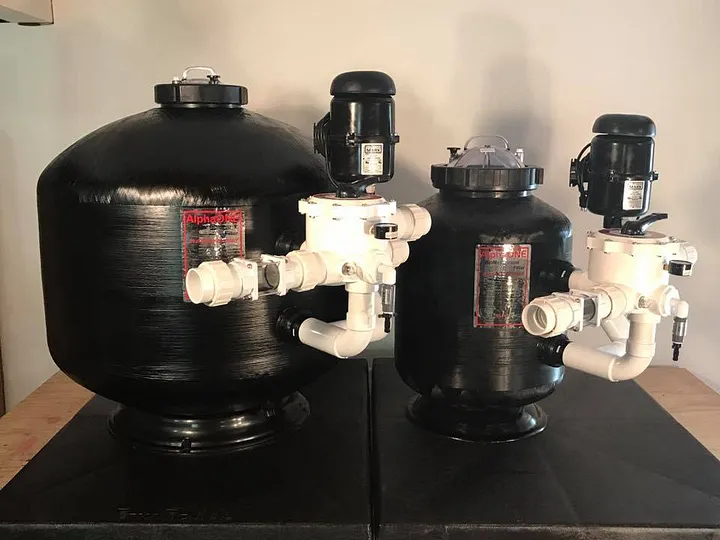
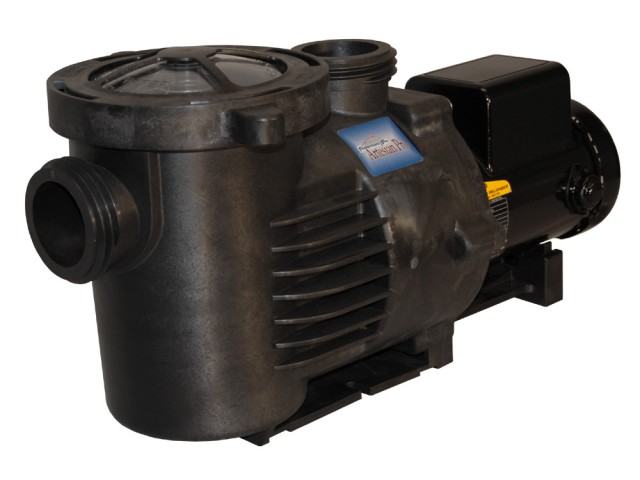
We at Aquabead focus on durability and cold-weather reliability. All systems are manufactured by GC TEK using proven engineering standards. Our range includes ArtesianPro Low RPM Pumps for energy efficient circulation, ArtesianPro High Flow Pumps for large volume movement, PerformancePro Cascade Pumps for consistent waterfall support and ArtesianPro High Head Pumps for pressure-demanding setups.
Sealed motors prevent moisture intrusion and internal freezing. Consistent flow protects fish during harsh winter conditions. Energy efficiency also reduces winter operating stress. In addition, we support pond owners across Canada, Puerto Rico, Alaska and Hawaii. This wide climate experience shapes our year-round equipment design.
Proactive updates keep emergency systems from failing during chilly nights.
Small actions prevent the major damage.
Preparing for winter preserves fish, water clarity and equipment longevity. Quick action prevents unexpected failures. When it's cold outside, high-quality pond pumps offer comfort. We at Aquabead offer reliable systems built by GC TEK. You can choose from a variety of pumps according to your needs. All our pumps have a 3 year warranty, and with proper maintenance, they last from 5 to 10 years which further increases your peace of mind. Contact us today for expert guidance and order the right pump now.
1. How to keep a pond pump from freezing?
Use insulation, proper placement and steady circulation.
2. Do hand pumps freeze in winter?
Yes, manual pumps freeze without insulation or drainage.
3. What pump works best for koi ponds?
A winter rated koi pond filter pump is best because it guarantees steady circulation.
4. Are coy pond pumps different from standard pumps?
Coy pond pumps support heavier fish loads and stronger filtration.
5. Which system suits small ponds best?
A filter pump for small pond balances flow and energy efficiency.
6. Is a fish pond pump filter system necessary in winter?
Yes, it maintains oxygen and prevents toxic gas buildup.