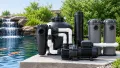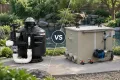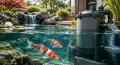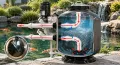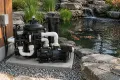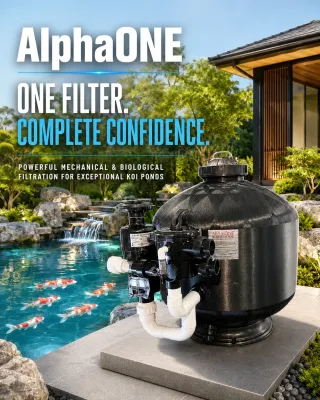
A clear pond is one of the easiest signs that a filtration system is working well. An effective water polisher removes tiny particles that regular filters often leave behind. These small particles can make the water look cloudy and reduce overall water quality. Like any pond equipment, a polishing filter needs regular care. Dirt, fish waste, leaves, and other debris slowly build up inside the system. If maintenance is delayed, the filter may not work as efficiently as before. Water may become cloudy, flow may slow down, and the pond can become harder to maintain.
The good news is that most polishing filter problems give clear warning signs before they become serious. By being aware of these indicators, pond owners can prevent costly repairs down the road by addressing minor problems early on.
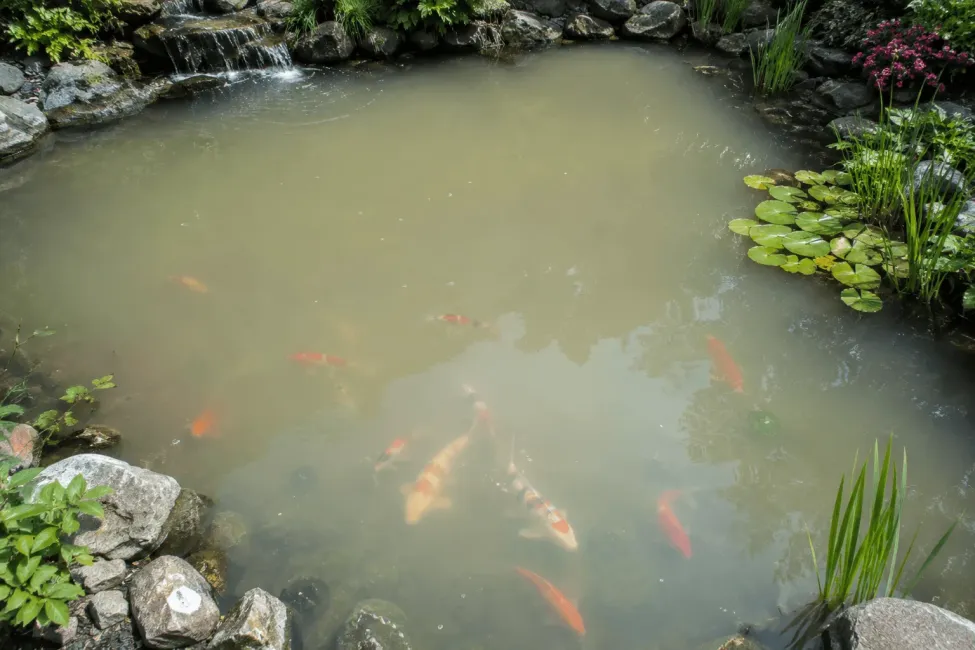
One of the most common signs that a water polishing system needs attention is cloudy water that does not clear up. A polishing filter is designed to remove fine particles that float in the water. After normal pond maintenance, the water should gradually become clear again. If it stays cloudy for several days, the filter may not be removing these particles properly. This usually happens when the filter media becomes dirty or clogged. Water may still be moving through the system, but the filter can no longer trap the fine debris that affects water clarity. If the pond has been cleaned recently and the water still looks dull, checking the polishing filter should be one of the first steps.
A healthy water polisher allows water to move smoothly through the filter and back into the pond. When the flow becomes noticeably slower, the system may need maintenance.Reduced flow often means that dirt has built up inside the filter. The pump has to work harder to push water through the clogged media, and less water gets filtered every hour. A slower flow can also affect other parts of the pond system, including waterfalls, fountains, and circulation patterns. Watching the water return from the filter is a simple way to notice changes in flow before they become a larger problem.
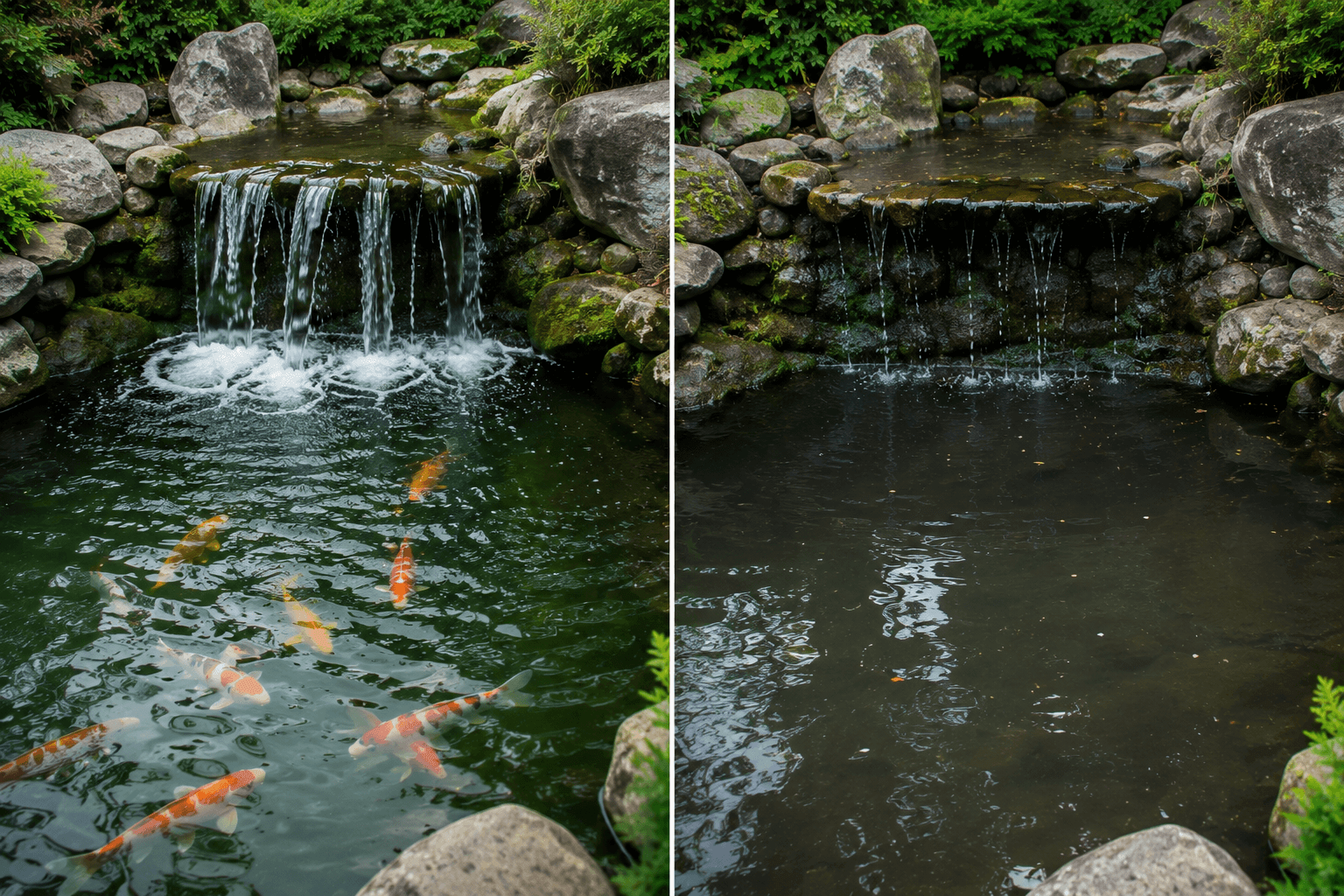
Backwashing is a normal part of maintaining a polishing filter. It removes trapped debris from the filter media and helps restore proper water flow. However, if the filter suddenly needs backwashing much more often than usual, it may be a sign that something is wrong. Frequent backwashing can happen when:
A sudden change in the backwashing schedule should not be ignored. It usually means the filter is working under heavier pressure than normal.
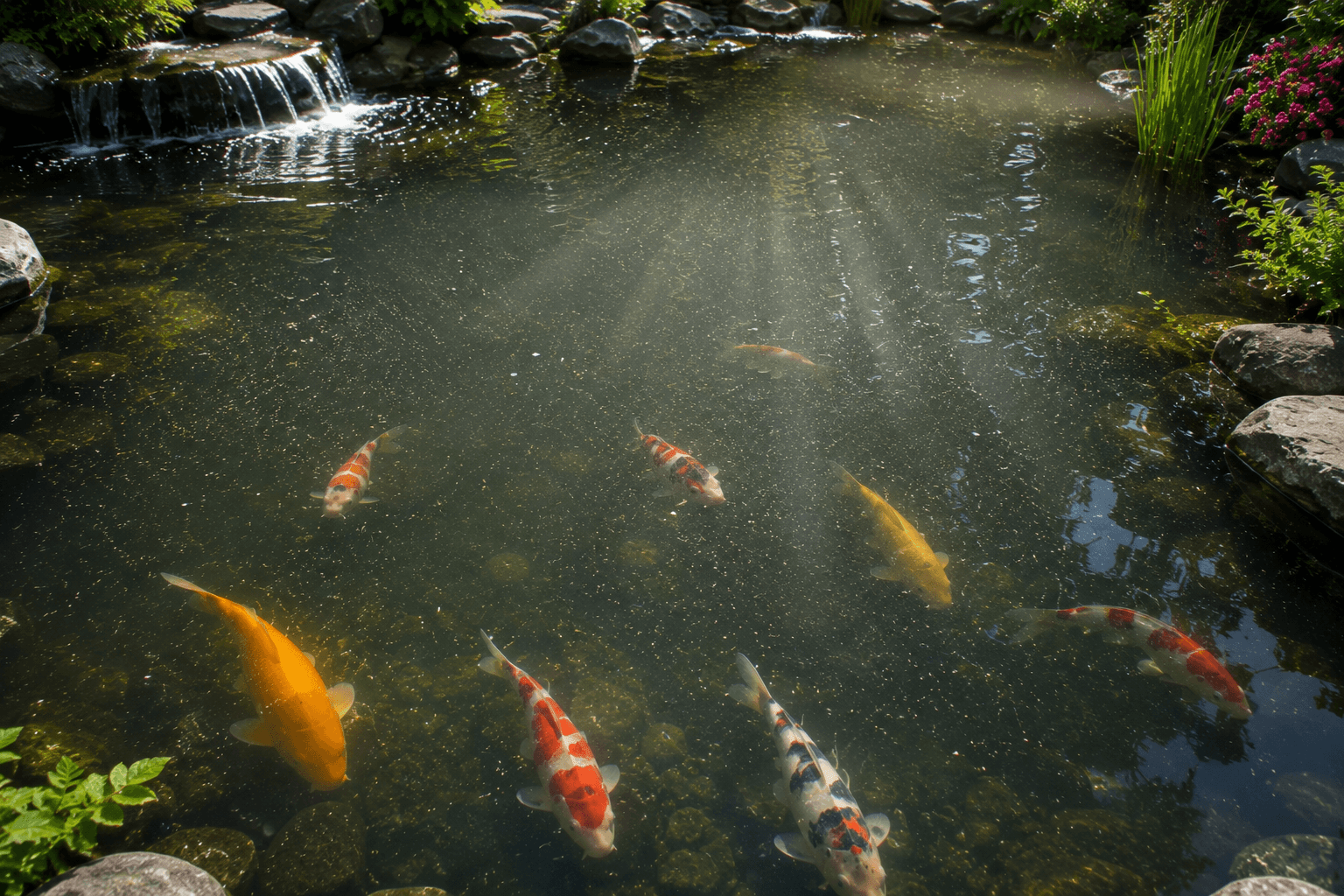
Sometimes the pond looks almost clear, but tiny particles can still be seen floating in the water, especially when sunlight shines across the surface. These suspended particles are exactly what a water polishing system is designed to remove. If they remain in the pond for a long time, the filter may not be operating efficiently. This can happen because the media is dirty, the filter is overdue for maintenance, or water is not passing through the media correctly. Removing these fine particles is important because they can slowly reduce water clarity and make the pond look less attractive. If the problem persists, make sure your pond filter system is set up correctly. You can refer to AquaBead's Koi Pond Filter System Setup Guide to ensure your filtration system is installed and operating properly.
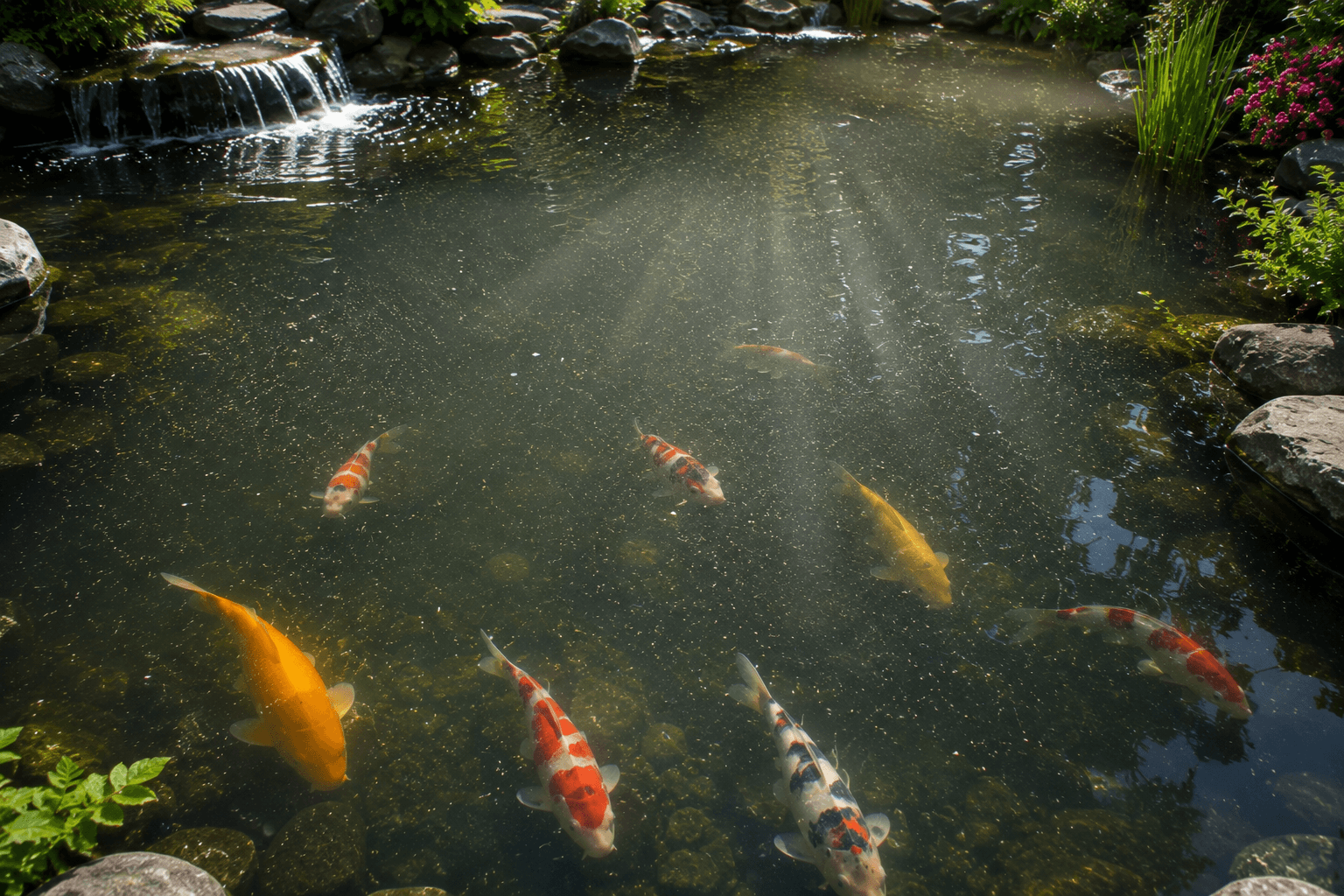
Many pond owners notice filtration problems when they can no longer see their fish clearly. In a healthy pond, fish should be visible even when swimming near the bottom. If visibility becomes poor and the water looks slightly cloudy, the polishing filter may not be removing suspended debris effectively. This change often happens gradually, so it is easy to miss at first. Looking at the pond from the same spot every few days can help identify small changes in water clarity.
A properly working polishing pond filter should not produce strong unpleasant odors. If a bad smell develops around the filter or equipment area, organic waste may be collecting inside the system. Leaves, fish waste, algae, and other debris can begin to break down if they remain trapped in the filter for too long. A foul smell often suggests that the filter needs cleaning, backwashing, or a more detailed inspection. Keeping the filter clean helps maintain both water quality and a healthier environment for pond fish.
Many advanced pond filtration systems include a pressure gauge. This gauge can provide useful information about the condition of the filter. As debris builds up inside the water polisher, pressure usually rises while water flow decreases. A steadily increasing pressure reading often means that the filter media is becoming clogged, backwashing is needed, or the filter requires cleaning. Checking the pressure gauge regularly can help detect problems before water quality begins to decline.
A clogged polishing filter can place extra stress on the pond pump. Signs that the pump is working harder include:
When the filter creates too much resistance, the pump must work harder to move water through the system. Maintaining the polishing filter regularly can help extend the life of the pump and reduce unnecessary wear. If you're planning to upgrade your filtration setup, choosing a high-quality all in one pond filter can help improve water circulation, simplify maintenance, and support overall pond health.
Filter media does not last forever. Over time, it can lose its ability to trap fine particles effectively. Old or worn media may cause:
Replacing worn media when recommended by the manufacturer helps keep the polishing system working efficiently.
A water polisher is not designed to directly remove algae, but it helps remove suspended particles and organic waste that can affect overall water quality. If algae growth suddenly increases along with cloudy water, the polishing system should be inspected. Poor filtration can allow extra debris and nutrients to remain in the pond, creating conditions that support algae growth. A clean and efficient polishing filter helps improve overall pond clarity and supports a healthier pond environment.
Many polishing filter issues can be avoided with simple routine maintenance. Regular maintenance should include:
A few minutes of maintenance each week can prevent larger problems and help the filtration system perform consistently throughout the year.
A water polishing system usually gives several warning signs before it stops working efficiently. Cloudy water, slower flow, frequent backwashing, rising pressure, floating particles, and reduced visibility are all signs that the system may need attention. For pond owners who want reliable polishing performance and excellent water clarity, the PoliGlassBead XStream Polishing Filter from AquaBead is a strong option. It is designed to capture both large and fine particles while maintaining efficient water flow and reducing the need for frequent maintenance. Keeping the filter clean and responding to early warning signs will help maintain a clear, healthy pond that is easier to enjoy all year round.
1. How often should a water polishing system be inspected?
A quick inspection every week is recommended, while a more detailed cleaning should follow the manufacturer’s maintenance schedule.
2. Why is my pond water still cloudy after cleaning?
The polishing filter may be clogged, the filter media may need cleaning or replacement, or water flow may be restricted.
3. Can a polishing filter remove algae?
It mainly removes fine suspended particles. Algae control also depends on biological filtration, sunlight, and nutrient levels.
4. What causes pressure to rise in a polishing filter?
Pressure usually increases when debris builds up inside the filter and restricts water flow.
5. When should filter media be replaced?
Filter media should be replaced when it becomes worn, less effective, or no longer provides good water clarity after normal maintenance.